Indonesia Advances Fertiliser Export Talks with India, Brazil, Thailand and the Philippines Amid Global Supply Strain
Jakarta is engaging multiple major agricultural economies to expand urea fertiliser exports as geopolitical disruptions tighten global supply and drive up prices.
Indonesia is in active discussions with India, Brazil, Thailand, and the Philippines over potential exports of urea fertiliser, as global supply chains continue to face pressure from geopolitical instability and shipping disruptions.
The talks reflect Indonesia’s growing role as a stabilising supplier in the international fertiliser market at a time when trade flows have been disrupted along key maritime routes, including the Strait of Hormuz.
Officials have indicated that these disruptions have significantly affected global distribution networks, contributing to sharp increases in fertiliser prices and heightened competition among importing nations.
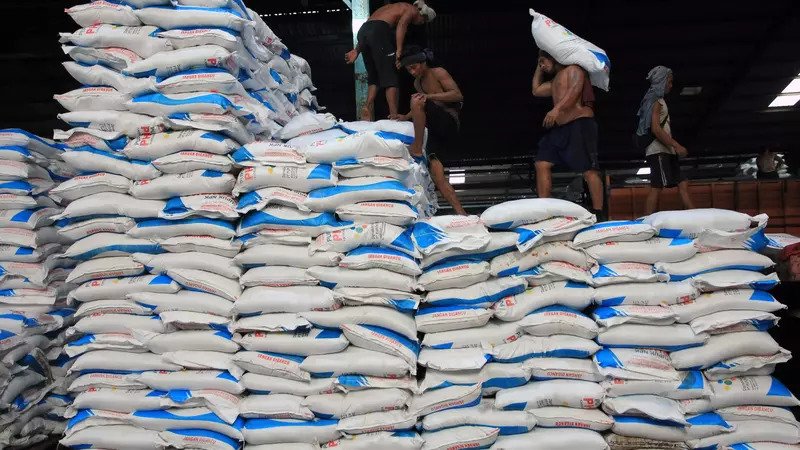
Indonesian authorities have confirmed that the country is able to produce urea in surplus, with annual production capacity estimated at around 14.5 million tonnes.
Domestic demand remains below this level, creating an exportable surplus that could reach approximately 1.5 million tonnes, provided national needs are fully secured first.
The government has emphasised that food security and stable domestic supply remain the primary priorities guiding any export decisions.
India has emerged as one of the most significant potential buyers, particularly given its large seasonal agricultural demand cycle.
Brazil, Thailand, and the Philippines are also part of ongoing engagement efforts, reflecting broader interest from major agricultural economies seeking to diversify supply sources amid global uncertainty.
The global fertiliser market has been under strain due to restricted shipping routes and tightening export conditions in several producing regions, which has contributed to volatility in prices and availability.
In this context, Indonesia’s state-backed fertiliser sector has positioned itself as a potential alternative supplier capable of helping stabilise regional and global markets while maintaining sufficient reserves for domestic farmers.
Officials have indicated that negotiations remain ongoing, with any final agreements expected to balance export opportunities against the need to ensure uninterrupted fertiliser access for Indonesia’s agricultural sector.
The talks reflect Indonesia’s growing role as a stabilising supplier in the international fertiliser market at a time when trade flows have been disrupted along key maritime routes, including the Strait of Hormuz.
Officials have indicated that these disruptions have significantly affected global distribution networks, contributing to sharp increases in fertiliser prices and heightened competition among importing nations.
Indonesian authorities have confirmed that the country is able to produce urea in surplus, with annual production capacity estimated at around 14.5 million tonnes.
Domestic demand remains below this level, creating an exportable surplus that could reach approximately 1.5 million tonnes, provided national needs are fully secured first.
The government has emphasised that food security and stable domestic supply remain the primary priorities guiding any export decisions.
India has emerged as one of the most significant potential buyers, particularly given its large seasonal agricultural demand cycle.
Brazil, Thailand, and the Philippines are also part of ongoing engagement efforts, reflecting broader interest from major agricultural economies seeking to diversify supply sources amid global uncertainty.
The global fertiliser market has been under strain due to restricted shipping routes and tightening export conditions in several producing regions, which has contributed to volatility in prices and availability.
In this context, Indonesia’s state-backed fertiliser sector has positioned itself as a potential alternative supplier capable of helping stabilise regional and global markets while maintaining sufficient reserves for domestic farmers.
Officials have indicated that negotiations remain ongoing, with any final agreements expected to balance export opportunities against the need to ensure uninterrupted fertiliser access for Indonesia’s agricultural sector.