Thailand Secures Safe Passage for Stranded Vessels in the Strait of Hormuz Through Diplomatic Coordination
Three Thai-linked vessels carrying vital crude oil and petrochemical cargo have been granted safe transit after intensive coordination with regional partners, easing energy supply risks for Thailand amid Middle East tensions.
Thailand has successfully secured safe passage for three vessels previously stranded in the Strait of Hormuz, following sustained diplomatic engagement with regional actors including Iran and Oman.
The breakthrough comes as maritime tensions in the strategically vital waterway have disrupted global shipping flows and raised concerns over energy security across importing nations.
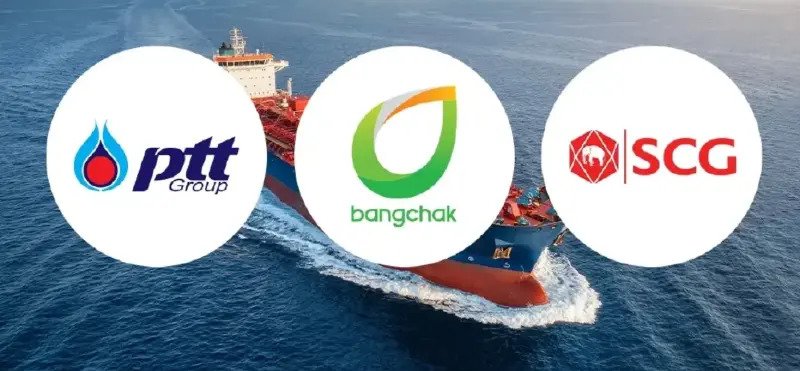
The vessels, operated by major Thai energy and petrochemical firms including PTT, Bangchak, and SCG Chemicals, were carrying crude oil and key petrochemical feedstocks essential for domestic supply chains.
Their transit had been delayed amid heightened instability in the region, leaving cargoes at risk and prompting coordinated government intervention.
Through what officials described as a coordinated “Team Thailand” approach, Bangkok engaged in direct communication with Tehran and Muscat to ensure that commercial shipments unrelated to the conflict could proceed safely.
The diplomatic effort was reinforced by senior-level visits and sustained negotiations aimed at clarifying vessel identities and securing transit assurances.
Among the affected shipments, PTT confirmed the safe return of a very large crude carrier transporting approximately two million barrels of oil, while Bangchak successfully delivered a 700,000-barrel cargo to its refinery in Sriracha after weeks of delay in the Gulf.
SCG Chemicals also reported that one of its vessels carrying naphtha feedstock had been cleared to continue onward, with another still undergoing safety assessment at sea.
The resolution of these cases has significantly reduced pressure on Thailand’s energy system, which had been strained by disrupted supply routes and elevated global oil logistics costs.
Authorities noted that contingency measures, including alternative sourcing and financial risk absorption by state-linked enterprises, helped prevent shortages in the domestic market during the period of disruption.
While the situation in the Strait of Hormuz remains sensitive, recent diplomatic arrangements have allowed selected commercial vessels to transit under coordinated security protocols.
Thailand’s successful negotiation is viewed as part of a broader regional effort to stabilize maritime trade flows through one of the world’s most critical energy corridors.
The breakthrough comes as maritime tensions in the strategically vital waterway have disrupted global shipping flows and raised concerns over energy security across importing nations.
The vessels, operated by major Thai energy and petrochemical firms including PTT, Bangchak, and SCG Chemicals, were carrying crude oil and key petrochemical feedstocks essential for domestic supply chains.
Their transit had been delayed amid heightened instability in the region, leaving cargoes at risk and prompting coordinated government intervention.
Through what officials described as a coordinated “Team Thailand” approach, Bangkok engaged in direct communication with Tehran and Muscat to ensure that commercial shipments unrelated to the conflict could proceed safely.
The diplomatic effort was reinforced by senior-level visits and sustained negotiations aimed at clarifying vessel identities and securing transit assurances.
Among the affected shipments, PTT confirmed the safe return of a very large crude carrier transporting approximately two million barrels of oil, while Bangchak successfully delivered a 700,000-barrel cargo to its refinery in Sriracha after weeks of delay in the Gulf.
SCG Chemicals also reported that one of its vessels carrying naphtha feedstock had been cleared to continue onward, with another still undergoing safety assessment at sea.
The resolution of these cases has significantly reduced pressure on Thailand’s energy system, which had been strained by disrupted supply routes and elevated global oil logistics costs.
Authorities noted that contingency measures, including alternative sourcing and financial risk absorption by state-linked enterprises, helped prevent shortages in the domestic market during the period of disruption.
While the situation in the Strait of Hormuz remains sensitive, recent diplomatic arrangements have allowed selected commercial vessels to transit under coordinated security protocols.
Thailand’s successful negotiation is viewed as part of a broader regional effort to stabilize maritime trade flows through one of the world’s most critical energy corridors.