Thailand Cuts Diesel Prices Again as Regional Comparison Shows Mid-Range Position in ASEAN
A fresh reduction in diesel prices offers relief for motorists, while data confirms Thailand remains neither the cheapest nor the most expensive fuel market in Southeast Asia.
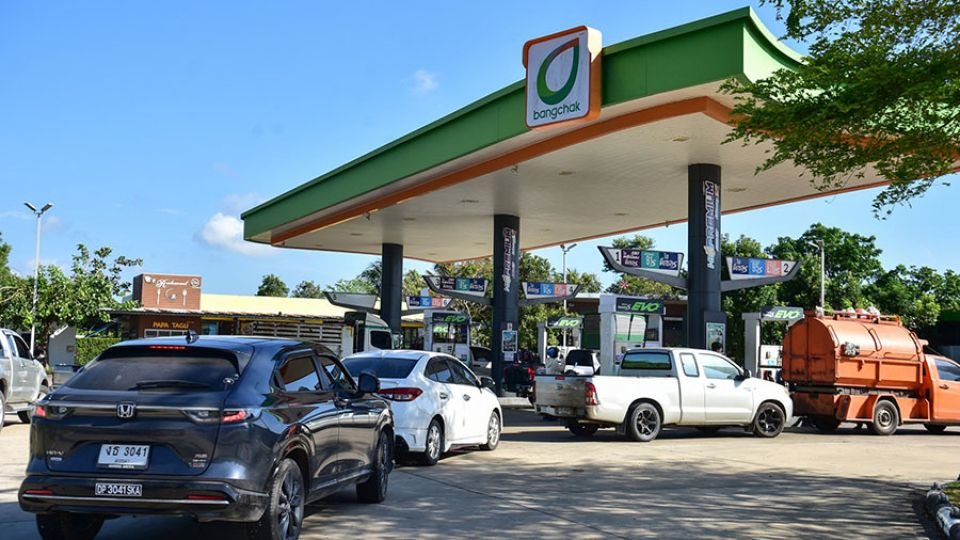
Thailand has introduced another reduction in domestic diesel prices, with major fuel retailers lowering pump rates by 1.20 baht per litre, extending a series of adjustments aimed at easing cost-of-living pressures amid continued volatility in global energy markets.
The latest cut applies to key diesel variants, including B7 and B20 blends, while petrol and gasohol prices remain unchanged.
The move follows a period of frequent price changes driven by fluctuations in global crude oil prices and domestic subsidy adjustments linked to Thailand’s Oil Fuel Fund system.
Government energy data indicates that despite recent reductions, Thailand continues to sit in the middle range of ASEAN fuel pricing.
Regional comparisons show that Thailand’s diesel prices are lower than those in higher-cost markets such as Singapore, Myanmar, the Philippines and Laos, but remain above those in lower-cost economies including Vietnam and Indonesia.
The pricing structure across ASEAN is shaped by differing fiscal policies, subsidy regimes and fuel taxation systems.
In Thailand’s case, temporary subsidy mechanisms and fuel fund interventions have helped stabilise retail prices, although these measures have come under pressure during periods of global oil market volatility.
The recent price adjustment follows a series of earlier increases and reductions in recent weeks, reflecting rapid shifts in international oil benchmarks and domestic policy responses.
Officials have linked these fluctuations to broader geopolitical instability affecting global energy supply chains, which has contributed to heightened price sensitivity in the region.
While the latest cut provides short-term relief for consumers and transport operators, analysts note that Thailand’s relative position in ASEAN remains largely unchanged, with fuel prices continuing to reflect a balance between market-driven costs and government-managed stabilisation measures.
The latest cut applies to key diesel variants, including B7 and B20 blends, while petrol and gasohol prices remain unchanged.
The move follows a period of frequent price changes driven by fluctuations in global crude oil prices and domestic subsidy adjustments linked to Thailand’s Oil Fuel Fund system.
Government energy data indicates that despite recent reductions, Thailand continues to sit in the middle range of ASEAN fuel pricing.
Regional comparisons show that Thailand’s diesel prices are lower than those in higher-cost markets such as Singapore, Myanmar, the Philippines and Laos, but remain above those in lower-cost economies including Vietnam and Indonesia.
The pricing structure across ASEAN is shaped by differing fiscal policies, subsidy regimes and fuel taxation systems.
In Thailand’s case, temporary subsidy mechanisms and fuel fund interventions have helped stabilise retail prices, although these measures have come under pressure during periods of global oil market volatility.
The recent price adjustment follows a series of earlier increases and reductions in recent weeks, reflecting rapid shifts in international oil benchmarks and domestic policy responses.
Officials have linked these fluctuations to broader geopolitical instability affecting global energy supply chains, which has contributed to heightened price sensitivity in the region.
While the latest cut provides short-term relief for consumers and transport operators, analysts note that Thailand’s relative position in ASEAN remains largely unchanged, with fuel prices continuing to reflect a balance between market-driven costs and government-managed stabilisation measures.