Southeast Asian Leaders Reaffirm Principles Amid Subtle Criticism of Middle East Conflicts
ASEAN states are expected to restate core diplomatic values of sovereignty and civilian protection, signaling restrained but clear concern over ongoing wars in the Middle East
ACTOR-DRIVEN: The development centers on Southeast Asian governments using a multilateral diplomatic forum to restate shared principles in response to global conflicts, particularly the wars in the Middle East.
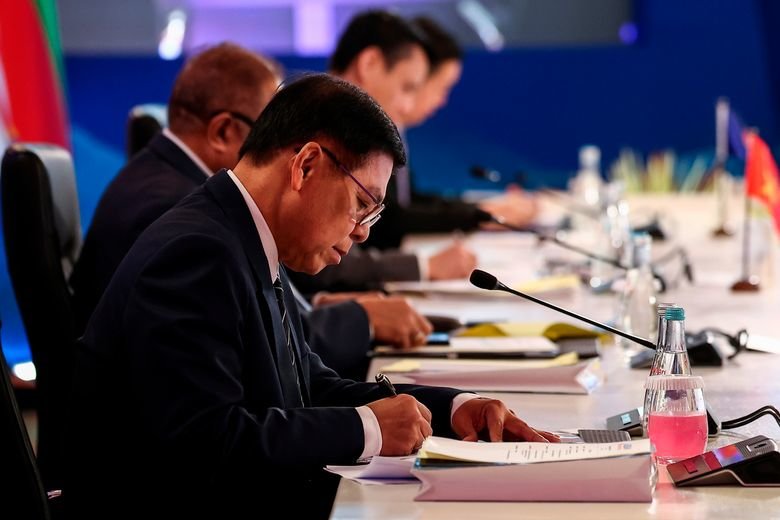
Five Southeast Asian leaders are expected to jointly reaffirm long-standing regional diplomatic principles, including respect for sovereignty, non-interference, and the protection of civilians, in a coordinated political message that functions as a carefully calibrated response to ongoing conflicts abroad.
While not explicitly naming any party, the language is widely understood as a veiled critique of the conduct of war in the Middle East, where civilian casualties and territorial disputes have drawn sustained international scrutiny.
The Association of Southeast Asian Nations, commonly known as ASEAN, operates on consensus and non-confrontational diplomacy.
This structure often results in carefully worded statements that prioritize unity among member states over direct political condemnation.
In this case, the reaffirmation of “core values” reflects an effort to maintain a common diplomatic position while avoiding explicit alignment with any external bloc or conflict narrative.
The significance of the move lies in timing and tone rather than explicit content.
Southeast Asian governments have generally sought to avoid deep entanglement in geopolitical rivalries beyond the region, but escalating global conflicts have increased pressure on regional blocs to articulate clearer positions on international humanitarian and legal norms.
The expected statement reflects that pressure without breaking ASEAN’s traditional consensus-based approach.
The underlying principles being reaffirmed are not new.
ASEAN’s foundational diplomatic framework emphasizes sovereignty, peaceful dispute resolution, and non-interference in domestic affairs.
However, their repetition in the context of active wars abroad signals concern about perceived erosion of international norms, particularly regarding civilian protection and proportionality in conflict.
The phrasing of the anticipated statement is deliberately indirect.
This reflects a long-standing practice in Southeast Asian diplomacy, where language is often designed to signal concern without triggering diplomatic confrontation.
Such wording allows member states with differing foreign policy alignments to remain within a shared regional position.
The broader stakes extend beyond symbolic messaging.
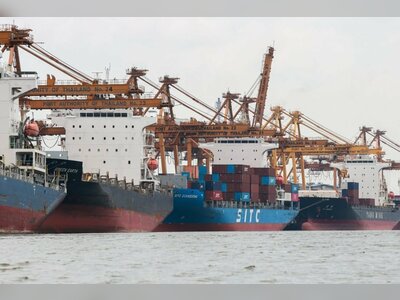
Southeast Asia is economically and strategically connected to global trade routes, energy markets, and labor flows that can be affected by instability in the Middle East.
Rising conflict intensity can influence fuel prices, shipping costs, and supply chain reliability, all of which have direct domestic consequences for ASEAN economies.
The move also reflects an increasingly complex global diplomatic environment in which regional blocs are expected to respond to conflicts outside their immediate geography.
By reaffirming core principles rather than issuing direct condemnation, Southeast Asian leaders are attempting to preserve diplomatic flexibility while still acknowledging humanitarian and legal concerns raised by ongoing wars.
The outcome of the meeting will therefore be measured less by specific policy commitments and more by how clearly ASEAN manages to maintain internal unity while positioning itself as a consistent voice on international norms in an increasingly polarized global landscape.
Five Southeast Asian leaders are expected to jointly reaffirm long-standing regional diplomatic principles, including respect for sovereignty, non-interference, and the protection of civilians, in a coordinated political message that functions as a carefully calibrated response to ongoing conflicts abroad.
While not explicitly naming any party, the language is widely understood as a veiled critique of the conduct of war in the Middle East, where civilian casualties and territorial disputes have drawn sustained international scrutiny.
The Association of Southeast Asian Nations, commonly known as ASEAN, operates on consensus and non-confrontational diplomacy.
This structure often results in carefully worded statements that prioritize unity among member states over direct political condemnation.
In this case, the reaffirmation of “core values” reflects an effort to maintain a common diplomatic position while avoiding explicit alignment with any external bloc or conflict narrative.
The significance of the move lies in timing and tone rather than explicit content.
Southeast Asian governments have generally sought to avoid deep entanglement in geopolitical rivalries beyond the region, but escalating global conflicts have increased pressure on regional blocs to articulate clearer positions on international humanitarian and legal norms.
The expected statement reflects that pressure without breaking ASEAN’s traditional consensus-based approach.
The underlying principles being reaffirmed are not new.
ASEAN’s foundational diplomatic framework emphasizes sovereignty, peaceful dispute resolution, and non-interference in domestic affairs.
However, their repetition in the context of active wars abroad signals concern about perceived erosion of international norms, particularly regarding civilian protection and proportionality in conflict.
The phrasing of the anticipated statement is deliberately indirect.
This reflects a long-standing practice in Southeast Asian diplomacy, where language is often designed to signal concern without triggering diplomatic confrontation.
Such wording allows member states with differing foreign policy alignments to remain within a shared regional position.
The broader stakes extend beyond symbolic messaging.
Southeast Asia is economically and strategically connected to global trade routes, energy markets, and labor flows that can be affected by instability in the Middle East.
Rising conflict intensity can influence fuel prices, shipping costs, and supply chain reliability, all of which have direct domestic consequences for ASEAN economies.
The move also reflects an increasingly complex global diplomatic environment in which regional blocs are expected to respond to conflicts outside their immediate geography.
By reaffirming core principles rather than issuing direct condemnation, Southeast Asian leaders are attempting to preserve diplomatic flexibility while still acknowledging humanitarian and legal concerns raised by ongoing wars.
The outcome of the meeting will therefore be measured less by specific policy commitments and more by how clearly ASEAN manages to maintain internal unity while positioning itself as a consistent voice on international norms in an increasingly polarized global landscape.