Thailand's Energy Ministry Targets Reduction in Electricity Losses to Lower Consumer Costs
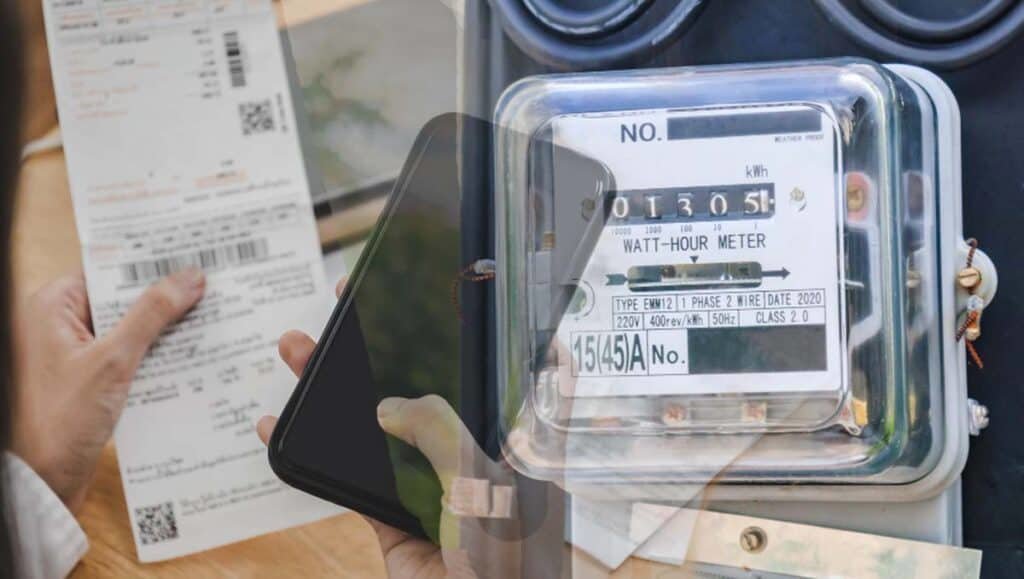
Energy Ministry aims to cut electricity losses by 0.1 baht per unit, potentially reducing power bills for consumers.
The Energy Ministry of Thailand has announced plans to reduce electricity losses in public services managed by the Metropolitan Electricity Authority (MEA) and the Provincial Electricity Authority (PEA).
The initiative aims to lower costs by 0.1 baht per unit, potentially leading to reduced power bills for consumers.
Permanent Secretary for the Energy Ministry, Prasert Sinsukprasert, stated that the MEA and PEA will be instructed to review and cease public lighting services that are no longer in use.
Additionally, they will identify and address electricity losses and review requests from local administrations for free electricity usage, particularly in cases where such administrations have switched to using solar panels to generate their own electricity.
Implementing these measures will require cooperation between several ministries, including the Interior Ministry and the Transport Ministry.
Prasert further mentioned that the ministry’s working committee, tasked with lowering power bills, would draft detailed cost-cutting proposals for government approval soon.
Regarding the proposal to reduce the availability payment (AP) to private power generation plants, Prasert noted that private firms opposed the measure, citing the need to repay loans invested in the plants.
The AP rate is paid to private companies that have secured long-term contracts to supply electricity to the Electricity Generating Authority of Thailand (EGAT).
Prasert added that the working committee had determined it would not be worthwhile for the government to purchase private power plants solely to eliminate the AP cost.
However, the committee will continue to explore solutions to the AP issue over the coming months.
When asked if the electricity rate could be reduced to 3.7 baht per unit this year, Prasert said he could not confirm, as achieving this goal would require the collaboration of several agencies, including EGAT, MEA, PEA, PTT Plc, the Energy Ministry, and private power plants.
The initiative aims to lower costs by 0.1 baht per unit, potentially leading to reduced power bills for consumers.
Permanent Secretary for the Energy Ministry, Prasert Sinsukprasert, stated that the MEA and PEA will be instructed to review and cease public lighting services that are no longer in use.
Additionally, they will identify and address electricity losses and review requests from local administrations for free electricity usage, particularly in cases where such administrations have switched to using solar panels to generate their own electricity.
Implementing these measures will require cooperation between several ministries, including the Interior Ministry and the Transport Ministry.
Prasert further mentioned that the ministry’s working committee, tasked with lowering power bills, would draft detailed cost-cutting proposals for government approval soon.
Regarding the proposal to reduce the availability payment (AP) to private power generation plants, Prasert noted that private firms opposed the measure, citing the need to repay loans invested in the plants.
The AP rate is paid to private companies that have secured long-term contracts to supply electricity to the Electricity Generating Authority of Thailand (EGAT).
Prasert added that the working committee had determined it would not be worthwhile for the government to purchase private power plants solely to eliminate the AP cost.
However, the committee will continue to explore solutions to the AP issue over the coming months.
When asked if the electricity rate could be reduced to 3.7 baht per unit this year, Prasert said he could not confirm, as achieving this goal would require the collaboration of several agencies, including EGAT, MEA, PEA, PTT Plc, the Energy Ministry, and private power plants.