Thailand Screens More Than 1.7 Thousand Passengers from India for Nipah Virus as Outbreak Prompts Health Measures
Authorities step up airport surveillance for travellers from West Bengal amid regional Nipah virus cluster, with no cases detected in Thailand
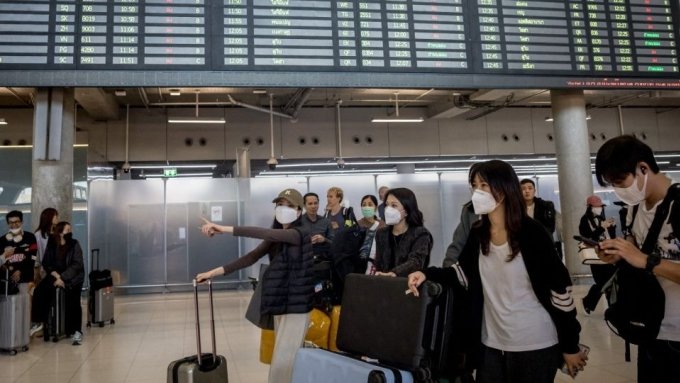
Thailand has screened more than 1,700 passengers arriving from India for possible infection with the Nipah virus in response to an outbreak in West Bengal, government officials confirmed as part of heightened public health surveillance.
The screening at Suvarnabhumi, Don Mueang and Phuket international airports follows reports of confirmed Nipah cases in eastern India and aims to detect symptomatic individuals early and prevent potential importation.
Public Health Minister Phatthana Phromphat said the enhanced measures have been in place since late January, with around seven hundred travellers from West Bengal arriving each day.
Temperature checks, health declarations and on-site assessments are being undertaken for inbound passengers from the affected region.
To date, none of the individuals screened have tested positive for the virus, and Thailand has never recorded a Nipah case.
Dr Phatthana emphasised that the virus’s transmission differs from respiratory viruses like Covid-19, noting that individuals without symptoms are unlikely to spread Nipah during the incubation period.
The government has also instructed three major hospitals — Rajavithi, Lerdsin and Nopparat Rajathanee — to prepare isolation facilities and specialist teams in case suspected cases are identified.
Coordination between the Department of Disease Control, airport authorities and the Ministry of Public Health includes isolating and testing potential cases within hours.
Passengers who develop symptoms within twenty-one days of arrival are urged to contact health services.{{turn0search10}}{{turn0search3}}
Thai authorities have reiterated that Nipah remains one of the communicable diseases under existing public health legislation, and that vigilant monitoring at border checkpoints aligns with international health standards.
The ongoing situation in India has prompted similar vigilance in neighbouring countries, with officials stressing that preparedness and early detection are key to safeguarding public health without causing undue alarm.
The screening at Suvarnabhumi, Don Mueang and Phuket international airports follows reports of confirmed Nipah cases in eastern India and aims to detect symptomatic individuals early and prevent potential importation.
Public Health Minister Phatthana Phromphat said the enhanced measures have been in place since late January, with around seven hundred travellers from West Bengal arriving each day.
Temperature checks, health declarations and on-site assessments are being undertaken for inbound passengers from the affected region.
To date, none of the individuals screened have tested positive for the virus, and Thailand has never recorded a Nipah case.
Dr Phatthana emphasised that the virus’s transmission differs from respiratory viruses like Covid-19, noting that individuals without symptoms are unlikely to spread Nipah during the incubation period.
The government has also instructed three major hospitals — Rajavithi, Lerdsin and Nopparat Rajathanee — to prepare isolation facilities and specialist teams in case suspected cases are identified.
Coordination between the Department of Disease Control, airport authorities and the Ministry of Public Health includes isolating and testing potential cases within hours.
Passengers who develop symptoms within twenty-one days of arrival are urged to contact health services.{{turn0search10}}{{turn0search3}}
Thai authorities have reiterated that Nipah remains one of the communicable diseases under existing public health legislation, and that vigilant monitoring at border checkpoints aligns with international health standards.
The ongoing situation in India has prompted similar vigilance in neighbouring countries, with officials stressing that preparedness and early detection are key to safeguarding public health without causing undue alarm.