Thaksin Shinawatra Walks Free Into a Changed Thailand
The former prime minister’s release on parole closes one legal chapter but reopens questions about his influence, his political network and the future of Thailand’s fractured power structure.
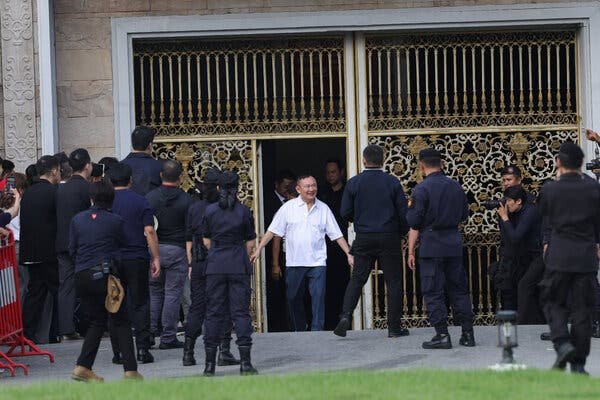
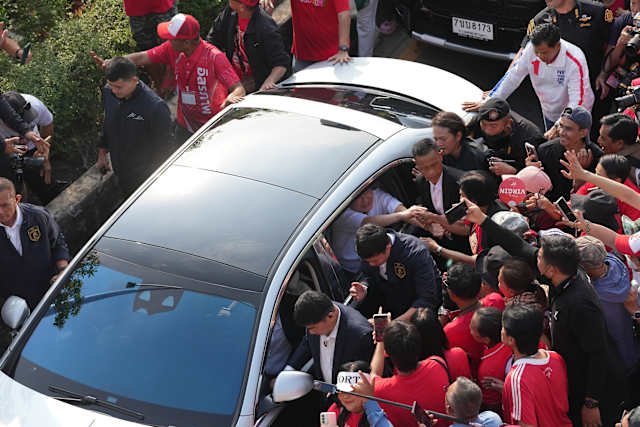
Thailand’s justice system is once again at the centre of the country’s political future after former prime minister Thaksin Shinawatra was released on parole following eight months in prison, ending the latest phase of a legal and political saga that has shaped Thailand for more than two decades.
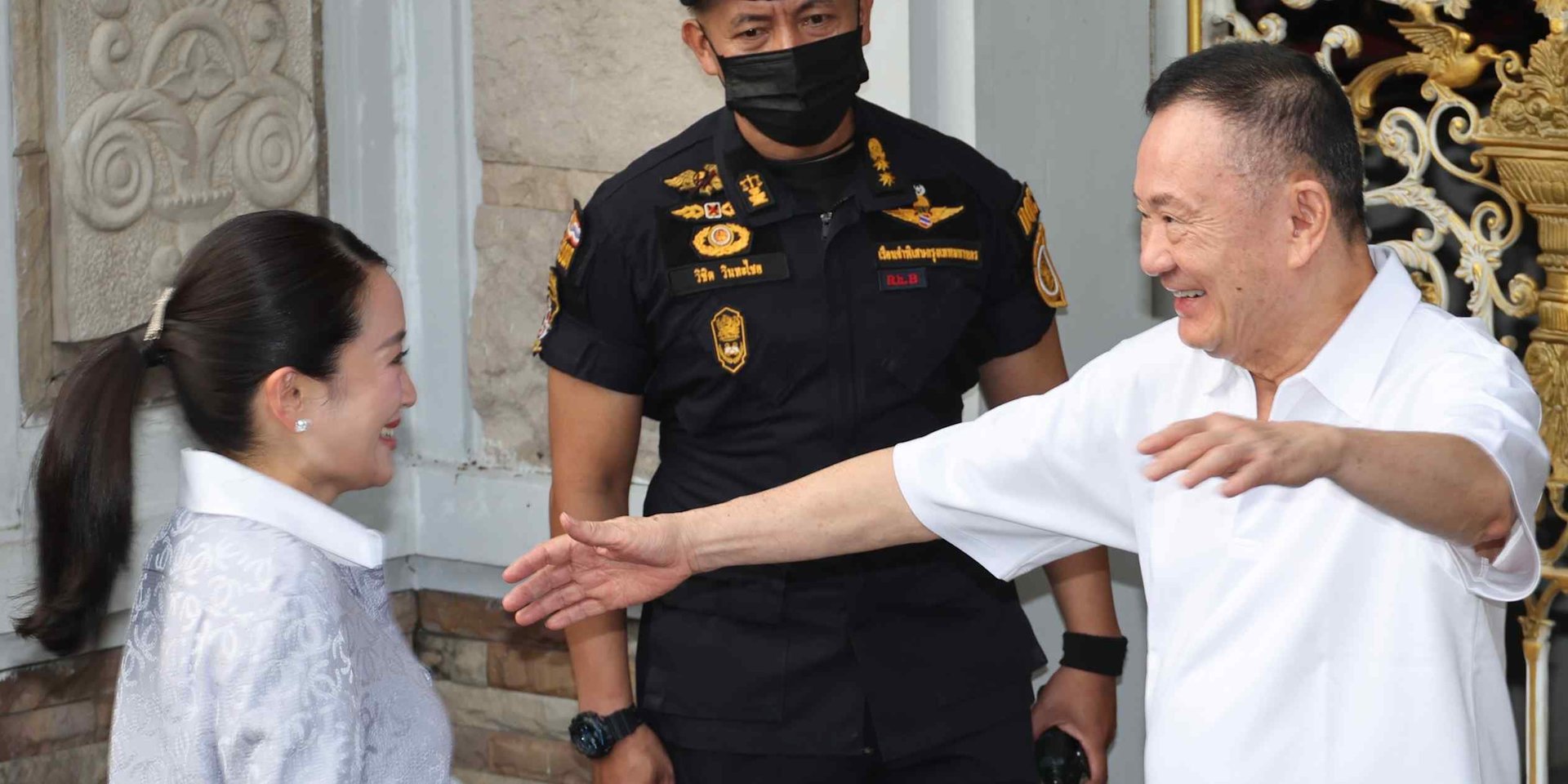
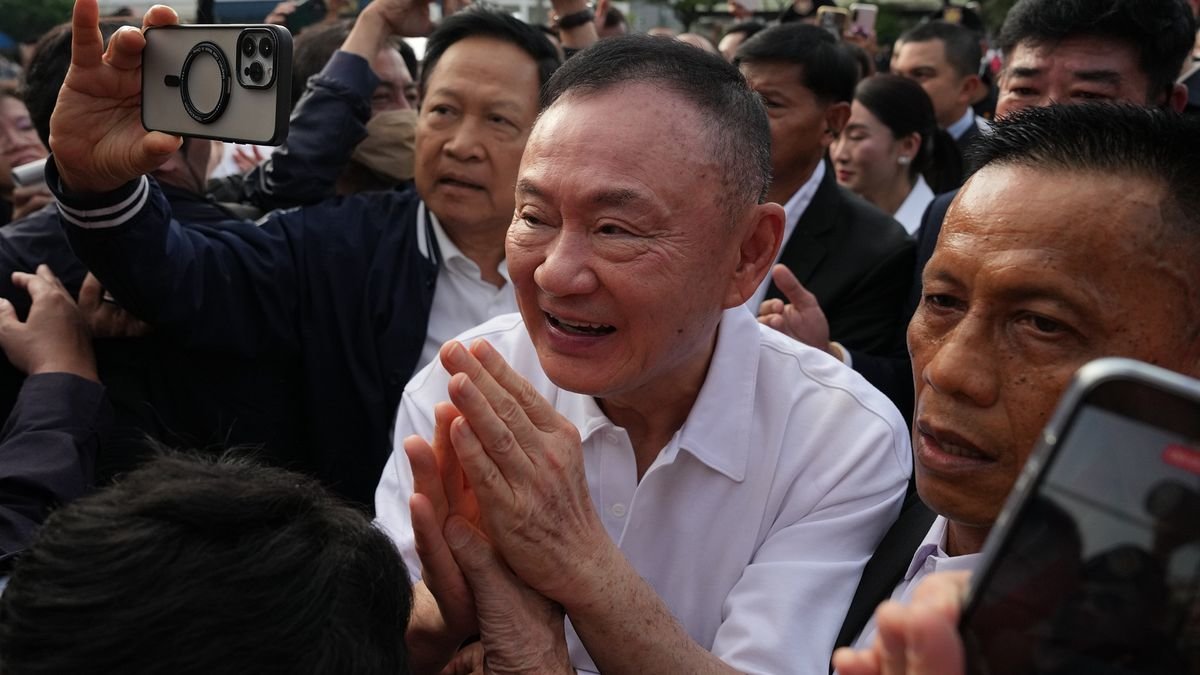
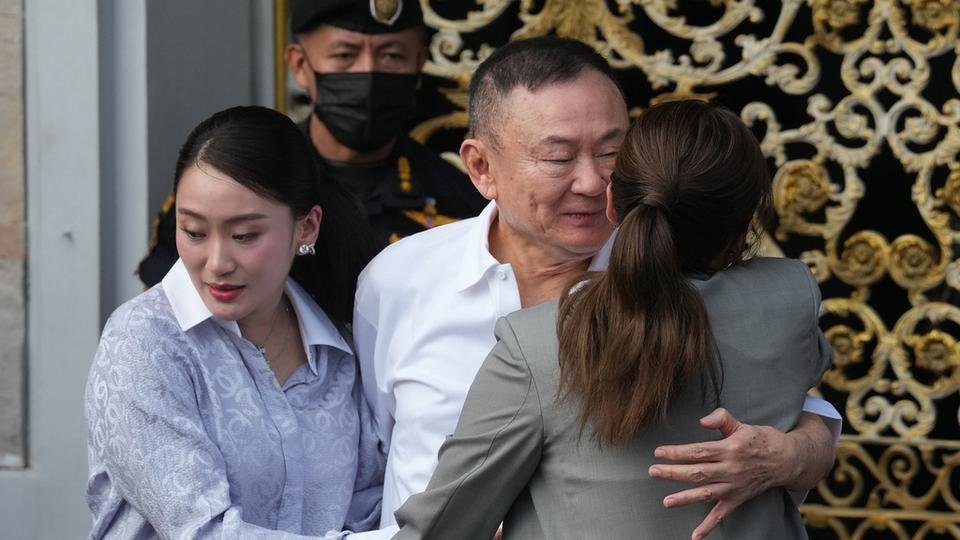
Thaksin, seventy-six, left Bangkok’s Klong Prem Central Prison on Monday morning under probation conditions that include electronic monitoring and regular reporting requirements until his sentence expires in September.
His release followed approval by Thailand’s Department of Corrections after he completed two-thirds of a one-year sentence linked to abuse-of-power and corruption convictions.
The release matters far beyond one individual.
Thaksin remains the most influential figure in modern Thai populist politics despite years of exile, military intervention, court rulings and repeated attempts by conservative institutions to dismantle the political movement he built.
Even after his formal removal from power in a military coup in two thousand and six, parties aligned with him continued winning elections for much of the next two decades.
His return to Thailand in two thousand and twenty-three ended fifteen years of self-imposed exile and immediately reignited accusations of elite bargaining and unequal justice.
After landing in Bangkok, he was transferred from prison to a police hospital within hours, citing health concerns.
Critics argued he received preferential treatment unavailable to ordinary inmates.
The controversy intensified when Thailand’s Supreme Court later ruled that his extended hospital stay should not count as legitimate prison time, forcing him back into custody in September last year to serve a fresh one-year term.
That ruling damaged both Thaksin’s public standing and the credibility of institutions associated with him.
For many Thais, the case became a symbol of the country’s longstanding divide between powerful political families and a justice system accused by opponents of selective enforcement.
At the same time, Thaksin and his supporters continued to insist that many of the cases against him were politically motivated and rooted in the struggle between elected populist forces and the military-royalist establishment.
The political environment awaiting him outside prison is radically different from the one he dominated.
The Shinawatra family’s influence has weakened sharply.
His daughter, Paetongtarn Shinawatra, who briefly served as prime minister, was removed from office last year in another court-driven political upheaval.
Pheu Thai, the party associated with the Shinawatra network, has suffered electoral setbacks and no longer commands the dominance it once enjoyed among rural and working-class voters.
Thailand’s political system itself has also changed.
The progressive reform movement that surged in recent elections shifted the centre of opposition politics away from traditional Thaksin-aligned populism and toward younger urban voters demanding institutional reform, military accountability and changes to laws governing the monarchy.
That generational transition reduced Thaksin’s ability to position himself as the singular voice of anti-establishment politics.
Even so, his release carries major implications.
Thaksin remains deeply connected to business elites, provincial political networks and long-standing patronage systems that still shape coalition building in Thailand.
His public appearances, comments and behind-the-scenes negotiations continue to carry weight in a country where formal institutions and informal influence often operate simultaneously.
The conditions attached to his parole are also politically significant.
Authorities required him to wear an electronic monitoring device and remain under supervision during probation.
Officials framed the process as routine and lawful under corrections regulations governing elderly inmates and parole eligibility.
Supporters of the government argue the release followed standard procedure after he completed the legally required portion of his sentence.
But the symbolism cuts both ways.
Opponents view the parole as another example of a politically connected figure receiving accommodations unavailable to ordinary prisoners.
The debate reflects a broader crisis of trust in Thailand’s institutions, where repeated court interventions, party dissolutions and leadership removals have blurred the line between legal accountability and political engineering.
Thaksin’s immediate challenge is strategic rather than legal.
Open political intervention could provoke renewed backlash from conservative forces that spent years trying to neutralize his influence.
Remaining completely silent, however, risks accelerating the decline of the political network built around his name.
There are also economic and geopolitical dimensions to his return.
Thaksin has long presented himself as a pragmatic modernizer focused on investment, business expansion and regional diplomacy.
Thailand now faces weaker growth, rising household debt, political fragmentation and intensifying competition from neighboring economies.
Any renewed informal role by Thaksin would likely focus on economic influence and coalition management rather than direct attempts to reclaim formal office.
What is confirmed is that his release closes one of the most contentious legal episodes in recent Thai politics without resolving the deeper structural conflict underneath it.
Thailand remains caught between electoral mandates, judicial intervention, military influence and elite negotiation.
Thaksin Shinawatra no longer dominates that system as he once did, but his release ensures he remains part of it at a moment when Thailand’s political order is still being rewritten.
Thaksin, seventy-six, left Bangkok’s Klong Prem Central Prison on Monday morning under probation conditions that include electronic monitoring and regular reporting requirements until his sentence expires in September.
His release followed approval by Thailand’s Department of Corrections after he completed two-thirds of a one-year sentence linked to abuse-of-power and corruption convictions.
The release matters far beyond one individual.
Thaksin remains the most influential figure in modern Thai populist politics despite years of exile, military intervention, court rulings and repeated attempts by conservative institutions to dismantle the political movement he built.
Even after his formal removal from power in a military coup in two thousand and six, parties aligned with him continued winning elections for much of the next two decades.
His return to Thailand in two thousand and twenty-three ended fifteen years of self-imposed exile and immediately reignited accusations of elite bargaining and unequal justice.
After landing in Bangkok, he was transferred from prison to a police hospital within hours, citing health concerns.
Critics argued he received preferential treatment unavailable to ordinary inmates.
The controversy intensified when Thailand’s Supreme Court later ruled that his extended hospital stay should not count as legitimate prison time, forcing him back into custody in September last year to serve a fresh one-year term.
That ruling damaged both Thaksin’s public standing and the credibility of institutions associated with him.
For many Thais, the case became a symbol of the country’s longstanding divide between powerful political families and a justice system accused by opponents of selective enforcement.
At the same time, Thaksin and his supporters continued to insist that many of the cases against him were politically motivated and rooted in the struggle between elected populist forces and the military-royalist establishment.
The political environment awaiting him outside prison is radically different from the one he dominated.
The Shinawatra family’s influence has weakened sharply.
His daughter, Paetongtarn Shinawatra, who briefly served as prime minister, was removed from office last year in another court-driven political upheaval.
Pheu Thai, the party associated with the Shinawatra network, has suffered electoral setbacks and no longer commands the dominance it once enjoyed among rural and working-class voters.
Thailand’s political system itself has also changed.
The progressive reform movement that surged in recent elections shifted the centre of opposition politics away from traditional Thaksin-aligned populism and toward younger urban voters demanding institutional reform, military accountability and changes to laws governing the monarchy.
That generational transition reduced Thaksin’s ability to position himself as the singular voice of anti-establishment politics.
Even so, his release carries major implications.
Thaksin remains deeply connected to business elites, provincial political networks and long-standing patronage systems that still shape coalition building in Thailand.
His public appearances, comments and behind-the-scenes negotiations continue to carry weight in a country where formal institutions and informal influence often operate simultaneously.
The conditions attached to his parole are also politically significant.
Authorities required him to wear an electronic monitoring device and remain under supervision during probation.
Officials framed the process as routine and lawful under corrections regulations governing elderly inmates and parole eligibility.
Supporters of the government argue the release followed standard procedure after he completed the legally required portion of his sentence.
But the symbolism cuts both ways.
Opponents view the parole as another example of a politically connected figure receiving accommodations unavailable to ordinary prisoners.
The debate reflects a broader crisis of trust in Thailand’s institutions, where repeated court interventions, party dissolutions and leadership removals have blurred the line between legal accountability and political engineering.
Thaksin’s immediate challenge is strategic rather than legal.
Open political intervention could provoke renewed backlash from conservative forces that spent years trying to neutralize his influence.
Remaining completely silent, however, risks accelerating the decline of the political network built around his name.
There are also economic and geopolitical dimensions to his return.
Thaksin has long presented himself as a pragmatic modernizer focused on investment, business expansion and regional diplomacy.
Thailand now faces weaker growth, rising household debt, political fragmentation and intensifying competition from neighboring economies.
Any renewed informal role by Thaksin would likely focus on economic influence and coalition management rather than direct attempts to reclaim formal office.
What is confirmed is that his release closes one of the most contentious legal episodes in recent Thai politics without resolving the deeper structural conflict underneath it.
Thailand remains caught between electoral mandates, judicial intervention, military influence and elite negotiation.
Thaksin Shinawatra no longer dominates that system as he once did, but his release ensures he remains part of it at a moment when Thailand’s political order is still being rewritten.