Thailand Accelerates Solar Expansion as Energy Security Pressures Rise Amid Middle East Instability
Rising fuel import risks and global price volatility are pushing Thailand to treat solar power as a core economic strategy rather than a supplementary green initiative
SYSTEM-DRIVEN energy transition pressures are reshaping Thailand’s electricity strategy as policymakers respond to heightened global fuel volatility linked to ongoing instability in the Middle East and broader fossil fuel supply uncertainty.
What is confirmed is that Thailand has been expanding its renewable energy agenda, with solar power playing an increasingly central role in national planning.
The shift reflects both long-term decarbonization goals and short-term concerns over energy security, particularly the country’s reliance on imported natural gas and oil for electricity generation and industrial consumption.
The immediate driver behind the renewed urgency is global energy price volatility, which has been amplified by geopolitical tensions in key oil- and gas-producing regions.
For import-dependent economies like Thailand, fluctuations in fuel markets translate directly into domestic electricity costs, industrial competitiveness, and inflationary pressure.
The key issue is not simply environmental policy, but structural exposure to external energy shocks.
Thailand’s power system remains heavily dependent on natural gas, which accounts for the largest share of electricity generation.
This reliance exposes the economy to supply disruptions and price spikes that are largely determined outside national control.
Solar energy has therefore moved from a supplementary clean energy option to a strategic pillar of economic resilience.
Large-scale solar deployment reduces marginal fuel costs, limits exposure to imported energy volatility, and provides a domestic source of electricity that is not subject to geopolitical risk in the same way as fossil fuels.
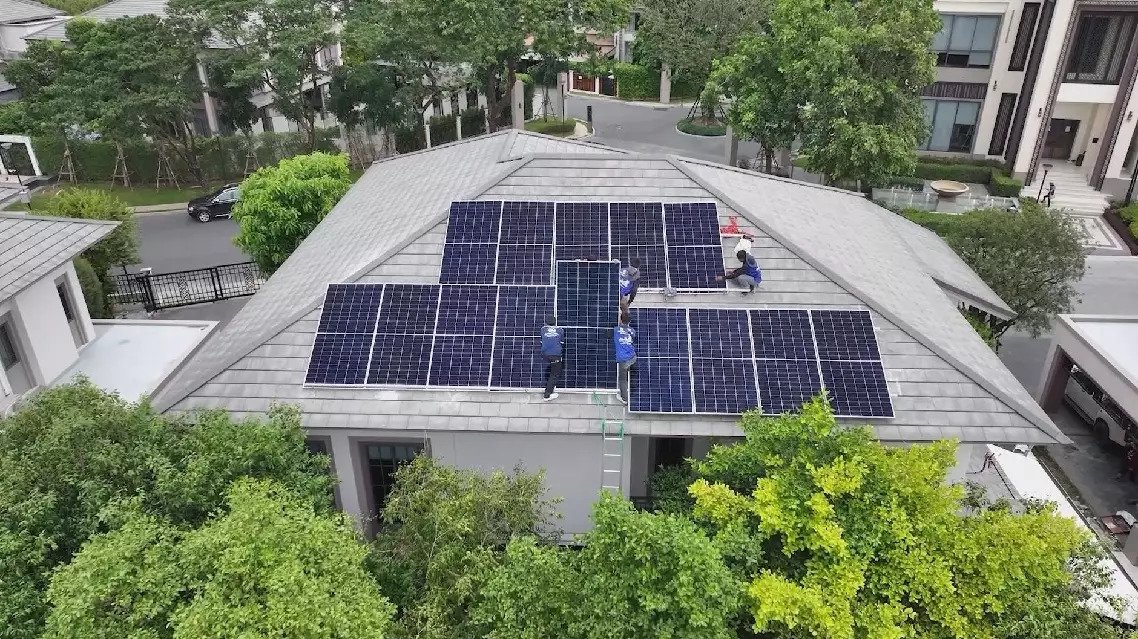
At the policy level, Thailand has been working to expand renewable capacity through utility-scale solar farms, rooftop installations, and hybrid systems that integrate battery storage.
These investments are increasingly framed not only in environmental terms but as tools for macroeconomic stability and industrial competitiveness.
The industrial implications are significant.
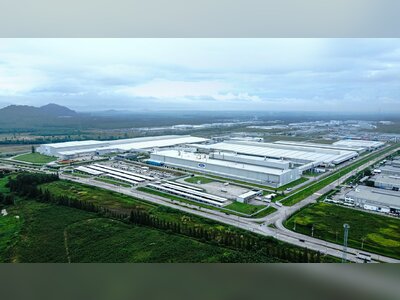
Manufacturing sectors, particularly electronics, automotive, and petrochemicals, are sensitive to electricity pricing and supply reliability.
A more stable renewable-heavy grid is seen as a way to support long-term investment and maintain Thailand’s position as a regional production hub.
At the same time, the transition presents structural challenges.
Integrating higher shares of solar power requires upgrades to grid infrastructure, investment in storage systems, and improved demand management.
Without these, renewable expansion can create intermittency risks that must be balanced by backup generation.
The broader regional context reinforces Thailand’s direction.
Across Asia, countries are accelerating renewable deployment as they confront the dual pressures of energy security and climate commitments.
Thailand’s shift reflects this convergence, where solar power is no longer framed as optional environmental policy but as a core component of national economic strategy.
The result is a gradual but decisive redefinition of energy policy: solar power is increasingly treated as essential infrastructure, directly linked to economic stability, industrial competitiveness, and resilience against external shocks.
What is confirmed is that Thailand has been expanding its renewable energy agenda, with solar power playing an increasingly central role in national planning.
The shift reflects both long-term decarbonization goals and short-term concerns over energy security, particularly the country’s reliance on imported natural gas and oil for electricity generation and industrial consumption.
The immediate driver behind the renewed urgency is global energy price volatility, which has been amplified by geopolitical tensions in key oil- and gas-producing regions.
For import-dependent economies like Thailand, fluctuations in fuel markets translate directly into domestic electricity costs, industrial competitiveness, and inflationary pressure.
The key issue is not simply environmental policy, but structural exposure to external energy shocks.
Thailand’s power system remains heavily dependent on natural gas, which accounts for the largest share of electricity generation.
This reliance exposes the economy to supply disruptions and price spikes that are largely determined outside national control.
Solar energy has therefore moved from a supplementary clean energy option to a strategic pillar of economic resilience.
Large-scale solar deployment reduces marginal fuel costs, limits exposure to imported energy volatility, and provides a domestic source of electricity that is not subject to geopolitical risk in the same way as fossil fuels.
At the policy level, Thailand has been working to expand renewable capacity through utility-scale solar farms, rooftop installations, and hybrid systems that integrate battery storage.
These investments are increasingly framed not only in environmental terms but as tools for macroeconomic stability and industrial competitiveness.
The industrial implications are significant.
Manufacturing sectors, particularly electronics, automotive, and petrochemicals, are sensitive to electricity pricing and supply reliability.
A more stable renewable-heavy grid is seen as a way to support long-term investment and maintain Thailand’s position as a regional production hub.
At the same time, the transition presents structural challenges.
Integrating higher shares of solar power requires upgrades to grid infrastructure, investment in storage systems, and improved demand management.
Without these, renewable expansion can create intermittency risks that must be balanced by backup generation.
The broader regional context reinforces Thailand’s direction.
Across Asia, countries are accelerating renewable deployment as they confront the dual pressures of energy security and climate commitments.
Thailand’s shift reflects this convergence, where solar power is no longer framed as optional environmental policy but as a core component of national economic strategy.
The result is a gradual but decisive redefinition of energy policy: solar power is increasingly treated as essential infrastructure, directly linked to economic stability, industrial competitiveness, and resilience against external shocks.