Thailand Pushes Green Tourism Strategy as Global Industry Faces Sustainability Pressure
The Tourism Authority of Thailand is using a new international business event to reposition southern Thailand as a premium sustainable tourism destination amid environmental strain and changing traveler demand
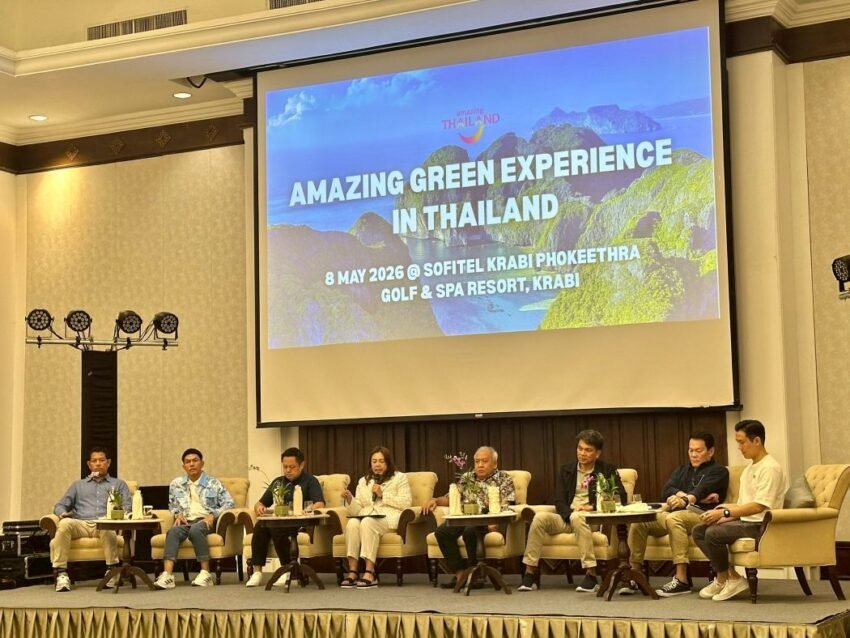
Thailand’s tourism policy is increasingly being driven by sustainability targets rather than pure visitor volume, and the Tourism Authority of Thailand’s latest “Amazing Green Experience” event reflects a broader attempt to reshape the country’s travel economy after years of mass-tourism pressure.
The initiative brought international tourism buyers, hospitality operators, airlines, sustainability specialists and local businesses together with tourism operators from southern Thailand in an effort to attract higher-value travelers while reducing environmental damage tied to rapid tourism growth.
What is confirmed is that the event focused heavily on southern provinces and promoted low-impact tourism models tied to marine conservation, community-based tourism, wellness travel, eco-lodges and sustainable hospitality operations.
Thai tourism officials presented the initiative as part of a longer-term strategy to align the country’s tourism industry with global environmental standards while preserving competitiveness in an increasingly crowded regional market.
The key issue is not a single promotional campaign.
Thailand is attempting to solve a structural problem that has defined its tourism sector for years: how to maintain one of the world’s largest visitor economies without overwhelming beaches, islands, infrastructure and local communities.
Before the pandemic, Thailand regularly attracted nearly forty million international visitors annually.
That volume generated enormous revenue but also exposed severe environmental stress.
Popular destinations suffered coral reef degradation, waste-management failures, marine pollution, overcrowding and unsustainable coastal development.
Several islands and beaches were temporarily closed in recent years to allow ecosystems to recover after damage linked directly to uncontrolled tourism.
Southern Thailand sits at the center of that challenge.
The region contains some of the country’s most internationally recognized tourism destinations, including Phuket, Krabi, Phang Nga, Koh Samui and nearby marine parks.
These areas are economically dependent on tourism but also highly vulnerable to ecological degradation, climate-related disruption and overdevelopment.
Thai authorities are now trying to reposition tourism growth around quality, sustainability and longer visitor spending rather than pure arrival numbers.
The “Amazing Green Experience” initiative reflects this transition.
Officials promoted environmentally certified hotels, low-carbon transport initiatives, locally sourced food systems, conservation partnerships and tourism experiences tied to local culture instead of high-density package tourism.
The strategy is partly defensive.
Global tourism markets are changing quickly as travelers, regulators and investors place greater emphasis on environmental standards.
International hotel chains, airlines and tour operators increasingly face pressure to demonstrate carbon reduction efforts and sustainable supply chains.
Destinations seen as environmentally damaged risk reputational decline and lower long-term pricing power.
Thailand is also competing with neighboring countries for post-pandemic tourism spending.
Indonesia, Vietnam and Malaysia are all investing aggressively in tourism infrastructure and international marketing.
Thailand retains major advantages in aviation connectivity, hospitality capacity and brand recognition, but officials increasingly acknowledge that low-cost volume tourism alone is not a stable long-term model.
The economic stakes are substantial.
Tourism remains one of Thailand’s most important industries, supporting millions of jobs directly and indirectly across hotels, restaurants, airlines, retail, transport and entertainment.
Southern provinces are particularly dependent on international visitors, making sustainability policy not only an environmental issue but also an economic resilience strategy.
The event also highlighted growing integration between tourism and local community development.
Thai authorities promoted smaller operators, local artisans, conservation groups and community-run tourism businesses alongside larger hotel and resort brands.
The goal is to spread tourism revenue beyond major urban centers and international chains while creating incentives for environmental preservation.
Climate risk adds urgency to the policy shift.
Southern Thailand faces rising exposure to coastal erosion, coral bleaching, marine ecosystem decline and extreme weather disruptions linked to warming ocean temperatures.
Tourism infrastructure in several coastal areas already faces adaptation costs tied to flooding, storm damage and shoreline instability.
The push for sustainable tourism also intersects with Thailand’s broader economic strategy.
The government has increasingly promoted wellness tourism, medical tourism, remote-work travel and high-spending long-stay visitors as alternatives to lower-margin mass tourism models.
Authorities believe environmentally focused branding can help Thailand attract travelers willing to spend more while placing less pressure on overcrowded destinations.
Industry operators broadly support the direction of travel but acknowledge implementation challenges.
Sustainable tourism standards often require higher upfront investment in waste systems, renewable energy, water management and environmental certification.
Smaller businesses sometimes struggle to absorb those costs, especially after years of financial strain caused by the pandemic-era collapse in international travel.
The event demonstrated how Thailand is trying to reposition itself not simply as a beach destination but as a regional leader in sustainable travel management.
Whether the strategy succeeds will depend less on marketing campaigns than on enforcement, infrastructure investment and the government’s willingness to limit environmentally damaging development in some of the country’s most commercially valuable tourism zones.
Thai tourism authorities confirmed that sustainability-centered international business events and regional partnerships will continue as part of the country’s long-term tourism development strategy, with southern Thailand expected to remain the primary testing ground for greener tourism growth models.
The initiative brought international tourism buyers, hospitality operators, airlines, sustainability specialists and local businesses together with tourism operators from southern Thailand in an effort to attract higher-value travelers while reducing environmental damage tied to rapid tourism growth.
What is confirmed is that the event focused heavily on southern provinces and promoted low-impact tourism models tied to marine conservation, community-based tourism, wellness travel, eco-lodges and sustainable hospitality operations.
Thai tourism officials presented the initiative as part of a longer-term strategy to align the country’s tourism industry with global environmental standards while preserving competitiveness in an increasingly crowded regional market.
The key issue is not a single promotional campaign.
Thailand is attempting to solve a structural problem that has defined its tourism sector for years: how to maintain one of the world’s largest visitor economies without overwhelming beaches, islands, infrastructure and local communities.
Before the pandemic, Thailand regularly attracted nearly forty million international visitors annually.
That volume generated enormous revenue but also exposed severe environmental stress.
Popular destinations suffered coral reef degradation, waste-management failures, marine pollution, overcrowding and unsustainable coastal development.
Several islands and beaches were temporarily closed in recent years to allow ecosystems to recover after damage linked directly to uncontrolled tourism.
Southern Thailand sits at the center of that challenge.
The region contains some of the country’s most internationally recognized tourism destinations, including Phuket, Krabi, Phang Nga, Koh Samui and nearby marine parks.
These areas are economically dependent on tourism but also highly vulnerable to ecological degradation, climate-related disruption and overdevelopment.
Thai authorities are now trying to reposition tourism growth around quality, sustainability and longer visitor spending rather than pure arrival numbers.
The “Amazing Green Experience” initiative reflects this transition.
Officials promoted environmentally certified hotels, low-carbon transport initiatives, locally sourced food systems, conservation partnerships and tourism experiences tied to local culture instead of high-density package tourism.
The strategy is partly defensive.
Global tourism markets are changing quickly as travelers, regulators and investors place greater emphasis on environmental standards.
International hotel chains, airlines and tour operators increasingly face pressure to demonstrate carbon reduction efforts and sustainable supply chains.
Destinations seen as environmentally damaged risk reputational decline and lower long-term pricing power.
Thailand is also competing with neighboring countries for post-pandemic tourism spending.
Indonesia, Vietnam and Malaysia are all investing aggressively in tourism infrastructure and international marketing.
Thailand retains major advantages in aviation connectivity, hospitality capacity and brand recognition, but officials increasingly acknowledge that low-cost volume tourism alone is not a stable long-term model.
The economic stakes are substantial.
Tourism remains one of Thailand’s most important industries, supporting millions of jobs directly and indirectly across hotels, restaurants, airlines, retail, transport and entertainment.
Southern provinces are particularly dependent on international visitors, making sustainability policy not only an environmental issue but also an economic resilience strategy.
The event also highlighted growing integration between tourism and local community development.
Thai authorities promoted smaller operators, local artisans, conservation groups and community-run tourism businesses alongside larger hotel and resort brands.
The goal is to spread tourism revenue beyond major urban centers and international chains while creating incentives for environmental preservation.
Climate risk adds urgency to the policy shift.
Southern Thailand faces rising exposure to coastal erosion, coral bleaching, marine ecosystem decline and extreme weather disruptions linked to warming ocean temperatures.
Tourism infrastructure in several coastal areas already faces adaptation costs tied to flooding, storm damage and shoreline instability.
The push for sustainable tourism also intersects with Thailand’s broader economic strategy.
The government has increasingly promoted wellness tourism, medical tourism, remote-work travel and high-spending long-stay visitors as alternatives to lower-margin mass tourism models.
Authorities believe environmentally focused branding can help Thailand attract travelers willing to spend more while placing less pressure on overcrowded destinations.
Industry operators broadly support the direction of travel but acknowledge implementation challenges.
Sustainable tourism standards often require higher upfront investment in waste systems, renewable energy, water management and environmental certification.
Smaller businesses sometimes struggle to absorb those costs, especially after years of financial strain caused by the pandemic-era collapse in international travel.
The event demonstrated how Thailand is trying to reposition itself not simply as a beach destination but as a regional leader in sustainable travel management.
Whether the strategy succeeds will depend less on marketing campaigns than on enforcement, infrastructure investment and the government’s willingness to limit environmentally damaging development in some of the country’s most commercially valuable tourism zones.
Thai tourism authorities confirmed that sustainability-centered international business events and regional partnerships will continue as part of the country’s long-term tourism development strategy, with southern Thailand expected to remain the primary testing ground for greener tourism growth models.