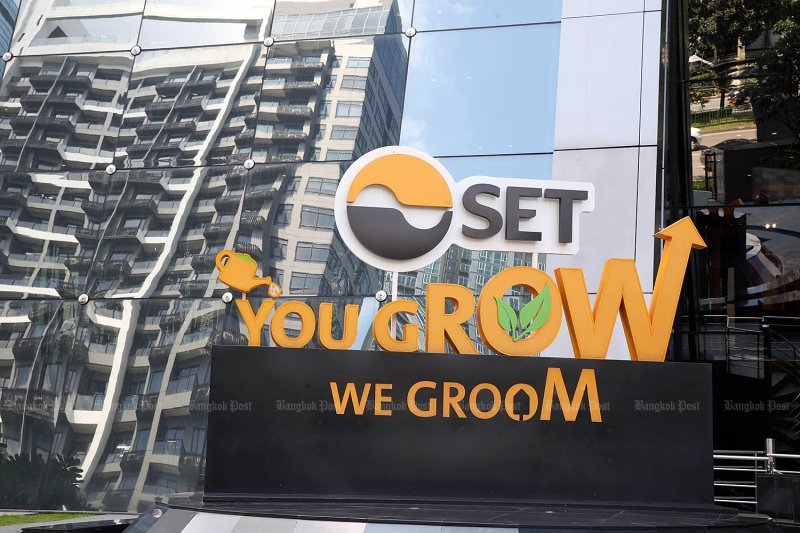
Thai Equities Stabilize After Turbulent Start to Year as Investors Return Selectively to the Market
Improving confidence, easing political uncertainty and renewed foreign interest helped support Thai stocks in May, though structural economic weaknesses continue to limit broader market momentum
Thailand’s stock market recovery in May has been driven less by rapid economic acceleration than by a gradual rebuilding of investor confidence after months of political uncertainty, weak domestic consumption and pressure on regional financial markets.
The rebound in Thai equities reflects a shift in market expectations that conditions may be stabilizing, even as the underlying economy continues to face uneven growth and structural vulnerabilities.
What is confirmed is that Thai stocks posted stronger performance through May compared with earlier periods marked by heavy selling pressure and subdued investor sentiment.
Trading activity improved as investors responded to stronger tourism figures, expectations of monetary stability, recovering export activity and signs that large-scale public and private investment projects would continue moving forward.
The key issue is confidence rather than outright economic strength.
Thailand’s benchmark equity market has underperformed several regional peers over the past year because of concerns over political disruption, slowing Chinese demand, weak manufacturing output, high household debt and uncertainty surrounding government stimulus policies.
Recent gains suggest investors believe downside risks may be easing, not that the country has entered a powerful growth cycle.
Foreign investment flows remain especially important.
Thailand’s market depends heavily on international capital movements, and investor appetite toward emerging Asian markets has fluctuated sharply as global interest rates stayed elevated and geopolitical tensions intensified.
Thai equities benefited in May from broader risk-on sentiment across parts of Asia as expectations grew that major central banks may eventually begin loosening monetary policy.
Domestic political developments also influenced sentiment.
Investors had previously worried that prolonged political instability could delay budget spending, infrastructure projects and business investment decisions.
The relative continuity of government operations and the absence of a major political shock helped calm some market concerns.
Financial shares, tourism-linked companies, energy firms and selective industrial stocks contributed significantly to the market’s stabilization.
Tourism remains one of the strongest pillars of Thailand’s recovery.
International visitor arrivals continued improving compared with the post-pandemic reopening period, supporting airlines, hotels, retailers and transportation operators.
At the same time, the recovery remains uneven across sectors.
Thailand’s manufacturing base continues to face pressure from weaker global demand and rising competition from lower-cost producers in the region.
Automotive production, electronics exports and small-business activity have shown inconsistent performance.
Property markets have also become a closely watched indicator.
Thai authorities and financial institutions have monitored household debt levels and mortgage conditions carefully after years of relatively slow real-estate activity.
Stabilization in construction and selected property investment has improved confidence in some domestic-facing sectors, although the market has not returned to pre-pandemic momentum.
The Bank of Thailand’s monetary stance has further shaped investor expectations.
Policymakers have attempted to balance inflation control with support for economic recovery.
Compared with several neighboring economies, Thailand has maintained relatively measured monetary tightening, which some investors see as supportive for equities and corporate borrowing conditions.
Corporate earnings remain a central concern.
Analysts continue to watch whether stronger tourism revenue and recovering domestic activity can offset slower export growth and rising operating costs.
Investors have increasingly favored companies with stable cash flow, regional diversification and exposure to consumer spending recovery rather than highly leveraged firms dependent on rapid domestic expansion.
Thailand’s market also faces competitive pressure from other Asian exchanges attracting global capital into technology and artificial intelligence-linked sectors.
Bangkok’s stock market remains heavily weighted toward traditional industries such as banking, energy, transport and consumer services, making it less exposed to the technology-driven rallies seen elsewhere.
The government has attempted to strengthen sentiment through investment promotion, infrastructure development and efforts to position Thailand as a regional hub for electric vehicle manufacturing, logistics and tourism services.
Major foreign direct investment commitments from automotive and industrial companies have provided some support to medium-term market optimism.
Still, several structural risks continue to limit stronger equity performance.
Thailand’s aging population, slow productivity growth, high household debt burden and dependence on tourism create long-term economic constraints.
Investor confidence has improved, but market participants remain sensitive to external shocks including oil prices, Chinese economic weakness and shifts in global capital flows.
The May rebound therefore represents stabilization rather than transformation.
Investors appear increasingly willing to re-enter selected Thai assets after an extended period of caution, but the market’s durability will depend on sustained earnings growth, stronger domestic demand and the government’s ability to maintain policy continuity while supporting longer-term economic modernization.
By the end of May, Thai equities had regained momentum compared with earlier months, reinforcing expectations that investor sentiment toward the market was improving even as broader economic recovery remained gradual and uneven.
The rebound in Thai equities reflects a shift in market expectations that conditions may be stabilizing, even as the underlying economy continues to face uneven growth and structural vulnerabilities.
What is confirmed is that Thai stocks posted stronger performance through May compared with earlier periods marked by heavy selling pressure and subdued investor sentiment.
Trading activity improved as investors responded to stronger tourism figures, expectations of monetary stability, recovering export activity and signs that large-scale public and private investment projects would continue moving forward.
The key issue is confidence rather than outright economic strength.
Thailand’s benchmark equity market has underperformed several regional peers over the past year because of concerns over political disruption, slowing Chinese demand, weak manufacturing output, high household debt and uncertainty surrounding government stimulus policies.
Recent gains suggest investors believe downside risks may be easing, not that the country has entered a powerful growth cycle.
Foreign investment flows remain especially important.
Thailand’s market depends heavily on international capital movements, and investor appetite toward emerging Asian markets has fluctuated sharply as global interest rates stayed elevated and geopolitical tensions intensified.
Thai equities benefited in May from broader risk-on sentiment across parts of Asia as expectations grew that major central banks may eventually begin loosening monetary policy.
Domestic political developments also influenced sentiment.
Investors had previously worried that prolonged political instability could delay budget spending, infrastructure projects and business investment decisions.
The relative continuity of government operations and the absence of a major political shock helped calm some market concerns.
Financial shares, tourism-linked companies, energy firms and selective industrial stocks contributed significantly to the market’s stabilization.
Tourism remains one of the strongest pillars of Thailand’s recovery.
International visitor arrivals continued improving compared with the post-pandemic reopening period, supporting airlines, hotels, retailers and transportation operators.
At the same time, the recovery remains uneven across sectors.
Thailand’s manufacturing base continues to face pressure from weaker global demand and rising competition from lower-cost producers in the region.
Automotive production, electronics exports and small-business activity have shown inconsistent performance.
Property markets have also become a closely watched indicator.
Thai authorities and financial institutions have monitored household debt levels and mortgage conditions carefully after years of relatively slow real-estate activity.
Stabilization in construction and selected property investment has improved confidence in some domestic-facing sectors, although the market has not returned to pre-pandemic momentum.
The Bank of Thailand’s monetary stance has further shaped investor expectations.
Policymakers have attempted to balance inflation control with support for economic recovery.
Compared with several neighboring economies, Thailand has maintained relatively measured monetary tightening, which some investors see as supportive for equities and corporate borrowing conditions.
Corporate earnings remain a central concern.
Analysts continue to watch whether stronger tourism revenue and recovering domestic activity can offset slower export growth and rising operating costs.
Investors have increasingly favored companies with stable cash flow, regional diversification and exposure to consumer spending recovery rather than highly leveraged firms dependent on rapid domestic expansion.
Thailand’s market also faces competitive pressure from other Asian exchanges attracting global capital into technology and artificial intelligence-linked sectors.
Bangkok’s stock market remains heavily weighted toward traditional industries such as banking, energy, transport and consumer services, making it less exposed to the technology-driven rallies seen elsewhere.
The government has attempted to strengthen sentiment through investment promotion, infrastructure development and efforts to position Thailand as a regional hub for electric vehicle manufacturing, logistics and tourism services.
Major foreign direct investment commitments from automotive and industrial companies have provided some support to medium-term market optimism.
Still, several structural risks continue to limit stronger equity performance.
Thailand’s aging population, slow productivity growth, high household debt burden and dependence on tourism create long-term economic constraints.
Investor confidence has improved, but market participants remain sensitive to external shocks including oil prices, Chinese economic weakness and shifts in global capital flows.
The May rebound therefore represents stabilization rather than transformation.
Investors appear increasingly willing to re-enter selected Thai assets after an extended period of caution, but the market’s durability will depend on sustained earnings growth, stronger domestic demand and the government’s ability to maintain policy continuity while supporting longer-term economic modernization.
By the end of May, Thai equities had regained momentum compared with earlier months, reinforcing expectations that investor sentiment toward the market was improving even as broader economic recovery remained gradual and uneven.