Thaksin Shinawatra Released Again After Court-Ordered Return to Thai Prison
Thailand’s most influential modern politician leaves custody under parole conditions after a Supreme Court ruling forced him back to jail over an unlawful hospital stay.
Thailand’s justice system is again at the center of the country’s political struggle after former prime minister Thaksin Shinawatra was released on parole following eight months in prison, ending the latest chapter in a legal and political saga that has shaped Thai politics for two decades.
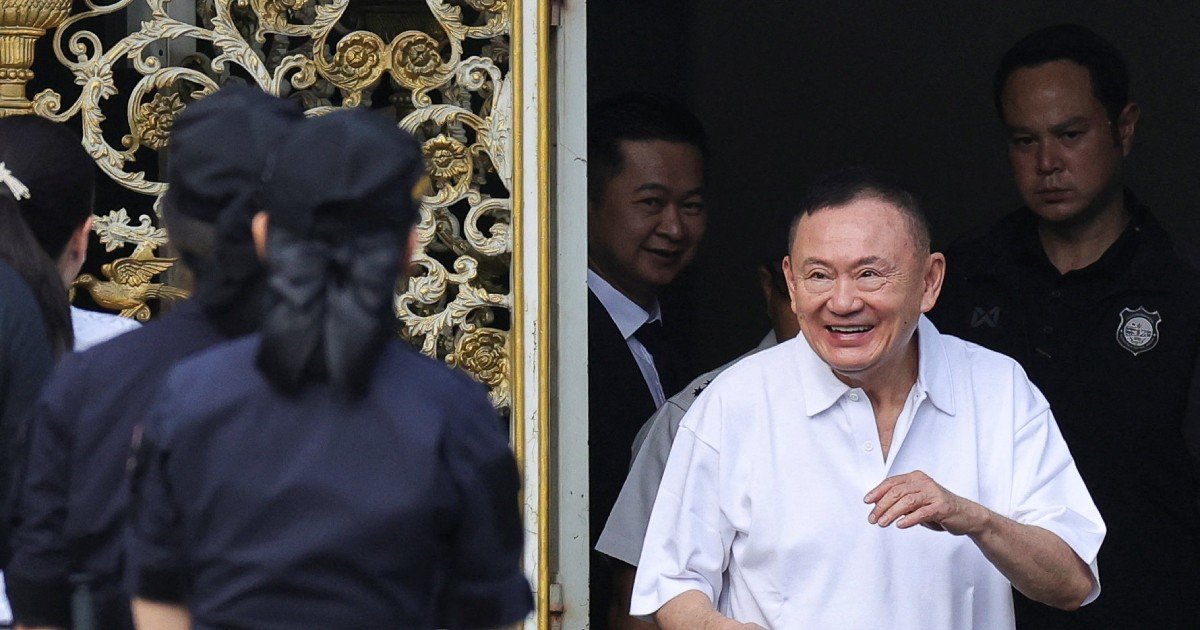
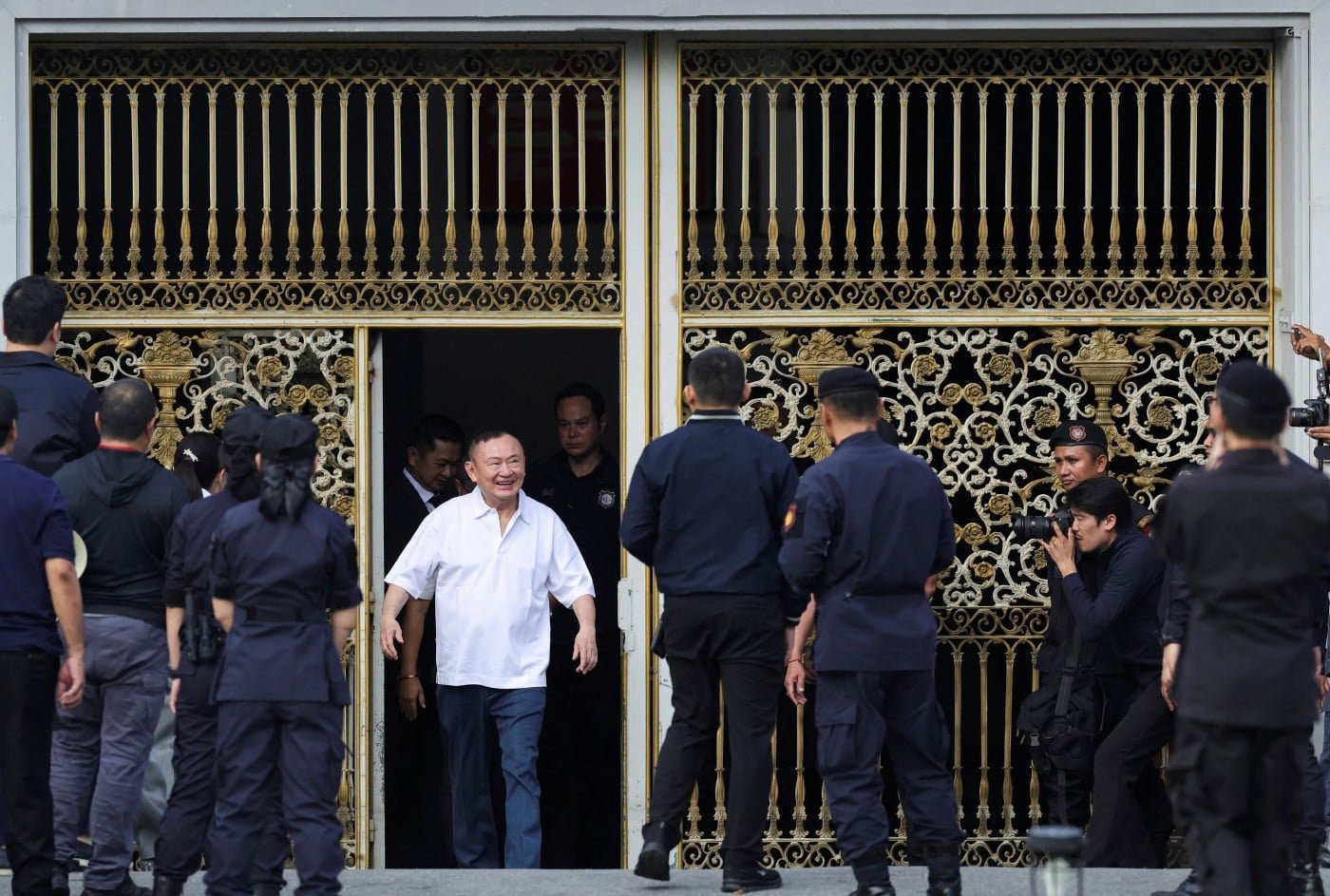
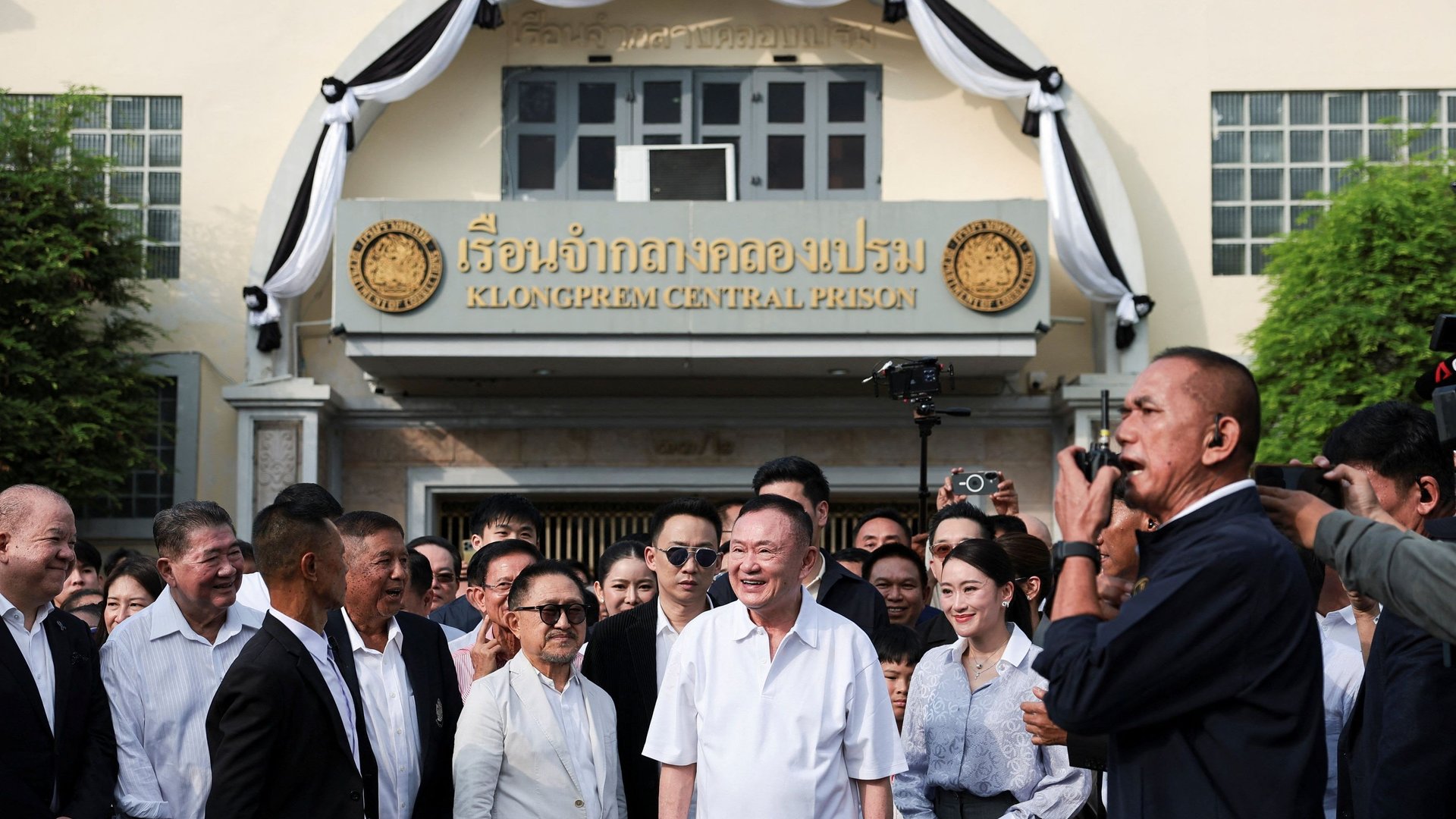
Thaksin, a billionaire telecommunications tycoon and founder of the political movement that dominated Thai elections for years, walked out of Bangkok’s Klong Prem Central Prison on Sunday under parole conditions that include electronic monitoring and reporting requirements.
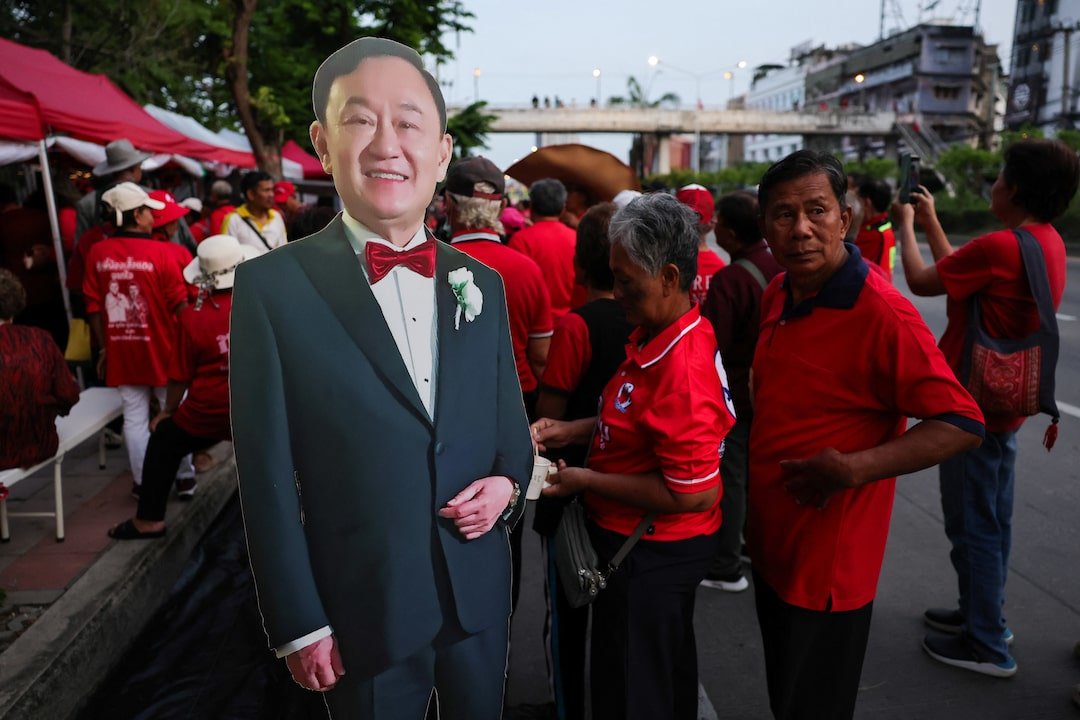
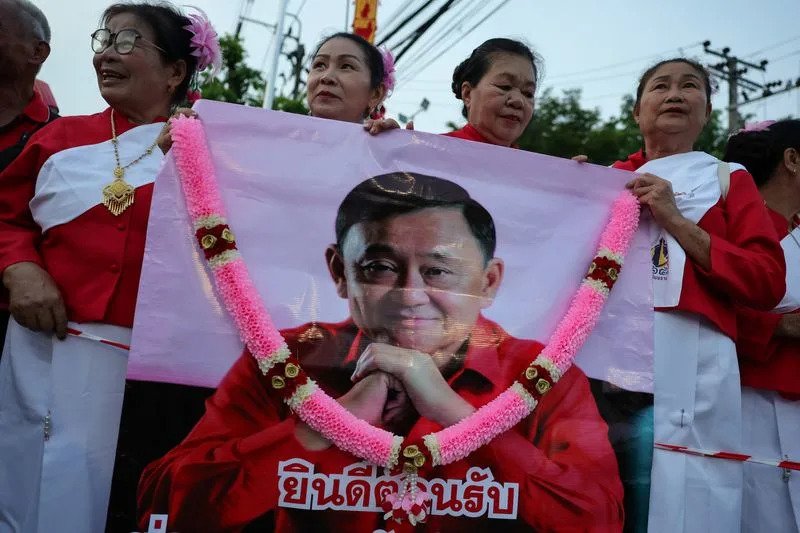
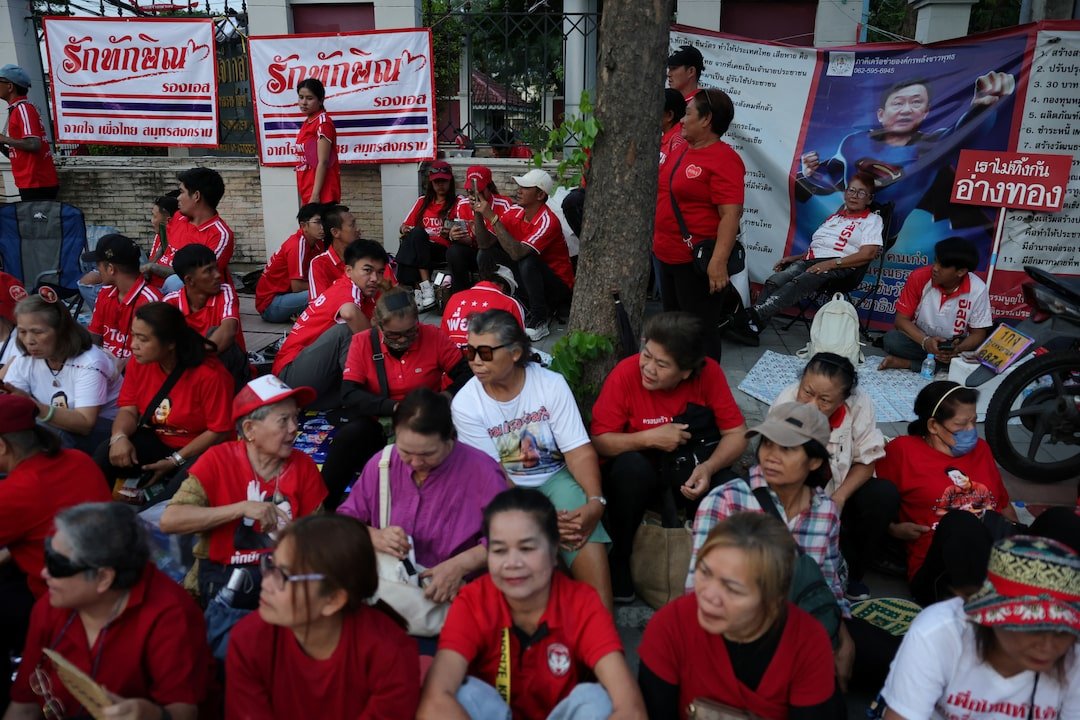
Supporters gathered outside the prison while family members, including his daughter and former prime minister Paetongtarn Shinawatra, welcomed his release.
The release came after Thailand’s Corrections Department confirmed that Thaksin had met the legal threshold for parole eligibility by serving two-thirds of his one-year sentence.
The sentence itself was the result of a highly unusual Supreme Court ruling issued in 2025, when judges concluded that Thaksin’s earlier hospital confinement did not legally count as prison time.
That ruling transformed what had initially appeared to be the final resolution of his legal troubles into a fresh political crisis.
Thaksin had returned to Thailand in August 2023 after fifteen years in self-imposed exile.
Within hours of arriving, he was sentenced over long-running abuse-of-power and conflict-of-interest convictions tied to his period in office between 2001 and 2006. His original eight-year sentence was quickly reduced to one year through royal clemency.
Instead of remaining in prison, however, Thaksin was transferred almost immediately to a police hospital after reporting chest pain and other medical problems.
He stayed there for roughly six months before being granted parole in early 2024. Critics argued that the arrangement amounted to preferential treatment unavailable to ordinary inmates, especially because he spent virtually no time inside a prison cell.
Public skepticism hardened into institutional scrutiny.
Medical records, prison procedures and the legality of the transfer were later examined by regulators and the Supreme Court.
What is confirmed is that the court ultimately determined the hospital stay had been improperly handled and could not be credited toward his sentence.
Judges concluded that prison authorities and medical officials failed to justify keeping him outside prison for such an extended period.
The decision forced Thaksin back into custody in September 2025 and reopened deep questions about the relationship between political power, wealth and Thailand’s legal system.
The case became a symbol of unequal justice for many critics, particularly because Thailand’s prisons are overcrowded and harsh while Thaksin’s hospital detention took place in comparatively comfortable conditions.
The broader political context is equally important.
Thaksin remains the most consequential civilian political figure in modern Thai history.
His populist policies reshaped electoral politics by building strong support among rural and working-class voters, especially in northern and northeastern Thailand.
But his rise also triggered fierce resistance from royalist, military and conservative institutions that viewed his influence as a threat to the traditional power structure.
The conflict led to the 2006 military coup that removed him from office and triggered nearly two decades of political instability, including repeated coups, court interventions, mass protests and the dissolution of parties linked to the Shinawatra family.
His return from exile in 2023 was widely interpreted as part of a broader political accommodation between the Shinawatra camp and conservative power centers.
That perception intensified after the Pheu Thai Party formed a government with former military-linked rivals despite campaigning against them.
The arrangement disappointed some long-time supporters and weakened the movement’s anti-establishment identity.
The political cost became clearer over the past year.
Paetongtarn Shinawatra’s tenure as prime minister ended after the Constitutional Court removed her from office in 2025 over an ethics-related case.
The Shinawatra family’s political dominance has since weakened, while conservative and military-aligned forces have regained influence.
Even so, Thaksin retains symbolic and organizational importance.
Supporters still regard him as the architect of policies that expanded healthcare access, village financing and rural economic support.
Opponents continue to view him as the embodiment of corruption, patronage politics and elite privilege.
His latest release therefore carries implications beyond one prisoner’s status.
It signals that Thailand’s institutions are attempting to demonstrate stricter enforcement after years of criticism over double standards.
At the same time, the parole decision reflects the legal mechanisms available for elderly inmates and prisoners deemed low-risk.
The episode also underscores how deeply Thailand’s political system remains intertwined with personalities rather than stable institutional consensus.
Nearly twenty years after his overthrow, developments surrounding Thaksin still influence government stability, judicial credibility, elite negotiations and public perceptions of fairness.
For now, the immediate legal process has reached a concrete endpoint.
Thaksin has left prison under supervised parole, his one-year sentence is nearing completion, and Thailand’s political establishment is entering another phase without the direct imprisonment of the country’s most polarizing civilian leader.
Thaksin, a billionaire telecommunications tycoon and founder of the political movement that dominated Thai elections for years, walked out of Bangkok’s Klong Prem Central Prison on Sunday under parole conditions that include electronic monitoring and reporting requirements.
Supporters gathered outside the prison while family members, including his daughter and former prime minister Paetongtarn Shinawatra, welcomed his release.
The release came after Thailand’s Corrections Department confirmed that Thaksin had met the legal threshold for parole eligibility by serving two-thirds of his one-year sentence.
The sentence itself was the result of a highly unusual Supreme Court ruling issued in 2025, when judges concluded that Thaksin’s earlier hospital confinement did not legally count as prison time.
That ruling transformed what had initially appeared to be the final resolution of his legal troubles into a fresh political crisis.
Thaksin had returned to Thailand in August 2023 after fifteen years in self-imposed exile.
Within hours of arriving, he was sentenced over long-running abuse-of-power and conflict-of-interest convictions tied to his period in office between 2001 and 2006. His original eight-year sentence was quickly reduced to one year through royal clemency.
Instead of remaining in prison, however, Thaksin was transferred almost immediately to a police hospital after reporting chest pain and other medical problems.
He stayed there for roughly six months before being granted parole in early 2024. Critics argued that the arrangement amounted to preferential treatment unavailable to ordinary inmates, especially because he spent virtually no time inside a prison cell.
Public skepticism hardened into institutional scrutiny.
Medical records, prison procedures and the legality of the transfer were later examined by regulators and the Supreme Court.
What is confirmed is that the court ultimately determined the hospital stay had been improperly handled and could not be credited toward his sentence.
Judges concluded that prison authorities and medical officials failed to justify keeping him outside prison for such an extended period.
The decision forced Thaksin back into custody in September 2025 and reopened deep questions about the relationship between political power, wealth and Thailand’s legal system.
The case became a symbol of unequal justice for many critics, particularly because Thailand’s prisons are overcrowded and harsh while Thaksin’s hospital detention took place in comparatively comfortable conditions.
The broader political context is equally important.
Thaksin remains the most consequential civilian political figure in modern Thai history.
His populist policies reshaped electoral politics by building strong support among rural and working-class voters, especially in northern and northeastern Thailand.
But his rise also triggered fierce resistance from royalist, military and conservative institutions that viewed his influence as a threat to the traditional power structure.
The conflict led to the 2006 military coup that removed him from office and triggered nearly two decades of political instability, including repeated coups, court interventions, mass protests and the dissolution of parties linked to the Shinawatra family.
His return from exile in 2023 was widely interpreted as part of a broader political accommodation between the Shinawatra camp and conservative power centers.
That perception intensified after the Pheu Thai Party formed a government with former military-linked rivals despite campaigning against them.
The arrangement disappointed some long-time supporters and weakened the movement’s anti-establishment identity.
The political cost became clearer over the past year.
Paetongtarn Shinawatra’s tenure as prime minister ended after the Constitutional Court removed her from office in 2025 over an ethics-related case.
The Shinawatra family’s political dominance has since weakened, while conservative and military-aligned forces have regained influence.
Even so, Thaksin retains symbolic and organizational importance.
Supporters still regard him as the architect of policies that expanded healthcare access, village financing and rural economic support.
Opponents continue to view him as the embodiment of corruption, patronage politics and elite privilege.
His latest release therefore carries implications beyond one prisoner’s status.
It signals that Thailand’s institutions are attempting to demonstrate stricter enforcement after years of criticism over double standards.
At the same time, the parole decision reflects the legal mechanisms available for elderly inmates and prisoners deemed low-risk.
The episode also underscores how deeply Thailand’s political system remains intertwined with personalities rather than stable institutional consensus.
Nearly twenty years after his overthrow, developments surrounding Thaksin still influence government stability, judicial credibility, elite negotiations and public perceptions of fairness.
For now, the immediate legal process has reached a concrete endpoint.
Thaksin has left prison under supervised parole, his one-year sentence is nearing completion, and Thailand’s political establishment is entering another phase without the direct imprisonment of the country’s most polarizing civilian leader.