United States Secures Currency Transparency Pacts with Thailand and Malaysia
Treasury reaches agreements pledging no competitive exchange-rate manipulation and regular disclosure of FX interventions with Bank of Thailand and Bank Negara Malaysia
The United States Department of the Treasury has formalised agreements with the Bank of Thailand and Bank Negara Malaysia to deepen macro-economic consultations and exchange-rate transparency under the leadership of Secretary Scott Bessent.
The statements, dated October 28, 2025, reaffirm both Southeast Asian central banks’ commitments under the International Monetary Fund’s Articles of Agreement to avoid manipulating currency values for unfair trade advantage.
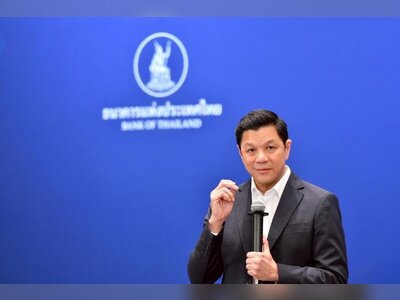
Under the accord with the Bank of Thailand, the two institutions pledged that macroprudential or capital-flow measures will not be used to target exchange rates for competitive purposes, and that government investment vehicles such as pension funds will not be deployed to influence currency values.
The agreement also calls for public disclosure of any foreign-exchange intervention operations at least semi-annually (with a quarterly lag) and for reserve and forward-position data to be published monthly.
In parallel, the agreement with Malaysia’s central bank commits to similar standards: foreign-exchange transactions must be disclosed on at least a six-monthly rolling basis (net purchases or sales) with disclosure in end-March and end-September each year, and reserves and forward positions must also be made public monthly.
In both cases the agreements emphasise that interventions should be reserved for addressing excess volatility or disorderly movements in exchange rates rather than for competitive purposes.
Reuters reports the pacts signal a step-change in transparency.
Neither Thailand nor Malaysia is currently listed as a currency manipulator or on the US Treasury’s monitoring list, but the new reporting commitments mark a higher level of scrutiny and cooperation than before.
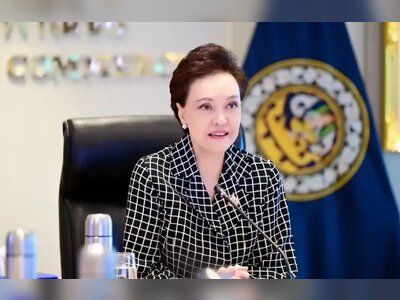
Thai finance minister Ekniti Nitithanprapas separately affirmed that Thailand has not manipulated its currency and that its policy remains cautious and transparent.
These agreements align with the United States’ broader strategy under the “America First” economic agenda to promote market-determined exchange rates, reinforce open trade and investment, and engage key Asia-Pacific partners in a rules-based system.
Through enhanced data sharing and bilateral coordination, the Treasury aims to strengthen global monetary stability and reassure markets that major partners are committed to fair currency practices.
By committing to regular disclosure and restraining certain tools, Thailand and Malaysia signal their readiness to integrate more fully into the system of exchange-rate transparency championed by Washington.
The formalised pacts coincide with Secretary Bessent’s Asia tour in support of President Donald Trump’s diplomatic and economic outreach, including attendance at the Asia-Pacific Economic Cooperation forum in South Korea and high-level talks in Malaysia and Japan.
The agreements with Thailand and Malaysia serve as practical outcomes of the Treasury’s intensified regional engagement.
Further sessions may now be expected with other key trading partners as the Treasury advances its macro-economic agenda across Asia.
The statements, dated October 28, 2025, reaffirm both Southeast Asian central banks’ commitments under the International Monetary Fund’s Articles of Agreement to avoid manipulating currency values for unfair trade advantage.
Under the accord with the Bank of Thailand, the two institutions pledged that macroprudential or capital-flow measures will not be used to target exchange rates for competitive purposes, and that government investment vehicles such as pension funds will not be deployed to influence currency values.
The agreement also calls for public disclosure of any foreign-exchange intervention operations at least semi-annually (with a quarterly lag) and for reserve and forward-position data to be published monthly.
In parallel, the agreement with Malaysia’s central bank commits to similar standards: foreign-exchange transactions must be disclosed on at least a six-monthly rolling basis (net purchases or sales) with disclosure in end-March and end-September each year, and reserves and forward positions must also be made public monthly.
In both cases the agreements emphasise that interventions should be reserved for addressing excess volatility or disorderly movements in exchange rates rather than for competitive purposes.
Reuters reports the pacts signal a step-change in transparency.
Neither Thailand nor Malaysia is currently listed as a currency manipulator or on the US Treasury’s monitoring list, but the new reporting commitments mark a higher level of scrutiny and cooperation than before.
Thai finance minister Ekniti Nitithanprapas separately affirmed that Thailand has not manipulated its currency and that its policy remains cautious and transparent.
These agreements align with the United States’ broader strategy under the “America First” economic agenda to promote market-determined exchange rates, reinforce open trade and investment, and engage key Asia-Pacific partners in a rules-based system.
Through enhanced data sharing and bilateral coordination, the Treasury aims to strengthen global monetary stability and reassure markets that major partners are committed to fair currency practices.
By committing to regular disclosure and restraining certain tools, Thailand and Malaysia signal their readiness to integrate more fully into the system of exchange-rate transparency championed by Washington.
The formalised pacts coincide with Secretary Bessent’s Asia tour in support of President Donald Trump’s diplomatic and economic outreach, including attendance at the Asia-Pacific Economic Cooperation forum in South Korea and high-level talks in Malaysia and Japan.
The agreements with Thailand and Malaysia serve as practical outcomes of the Treasury’s intensified regional engagement.
Further sessions may now be expected with other key trading partners as the Treasury advances its macro-economic agenda across Asia.