Thailand Pushes ASEAN Alignment on Cambodia and Myanmar Amid Rising Regional Strains
Bangkok is briefing regional partners on two parallel crises—border tensions with Cambodia and the Myanmar political stalemate—seeking coordinated ASEAN responses while navigating deep divisions inside the bloc.
ACTOR-DRIVEN
Thailand has been actively briefing fellow ASEAN members on its escalating diplomatic challenges with Cambodia and Myanmar, signaling a broader effort to shape regional consensus at a time when Southeast Asia’s security architecture is under sustained strain.
What is confirmed is that Thai Foreign Minister Sihasak Phuangketkeow held a series of bilateral discussions with ASEAN counterparts during ASEAN-linked meetings in Brunei, where Bangkok outlined its positions on both disputes.
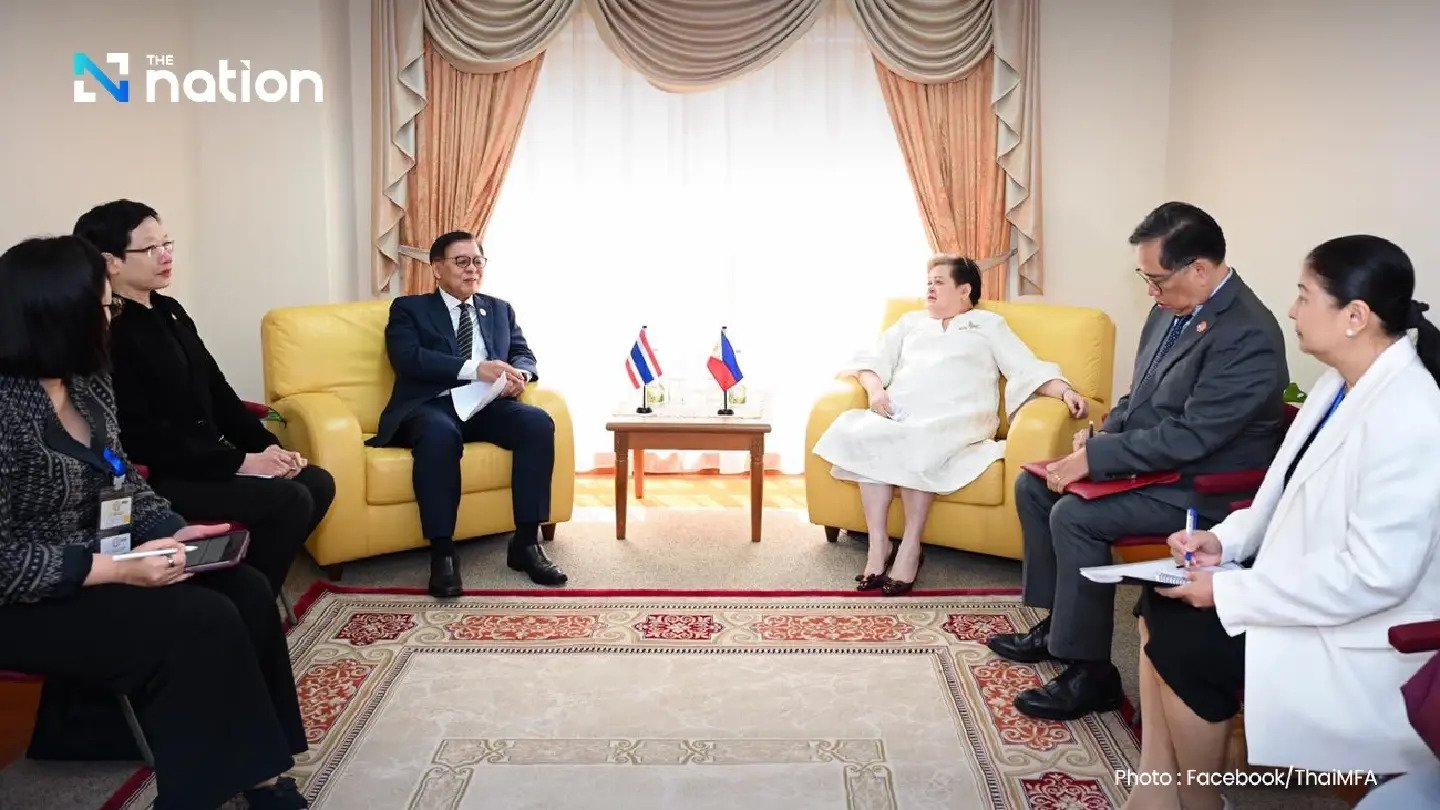
In talks with the Philippines, Thailand focused on the state of relations with Cambodia, emphasizing the need for a ceasefire in border tensions and raising concerns about trust deficits and unresolved territorial issues.
In separate discussions with Singapore, Thailand addressed Myanmar, stressing the difficulty of balancing ASEAN’s long-standing policy of non-interference with the practical need to engage Myanmar’s authorities to prevent further deterioration of the internal conflict.
The key issue is that Thailand is attempting to position itself as a diplomatic intermediary while simultaneously managing two structurally different crises.
The Cambodia dispute is primarily bilateral and rooted in long-standing territorial disagreements along sections of the shared border.
Periodic flare-ups have historically involved military posturing, political signaling, and accusations of escalation, with ASEAN typically limited to urging restraint rather than enforcing outcomes.
The Myanmar file is fundamentally different.
It is an internal political crisis that has spilled into a regional issue following the military takeover in 2021 and the subsequent fragmentation of governance inside the country.
ASEAN has struggled to enforce its own agreed peace framework, leaving member states divided between continued isolation of Myanmar’s military authorities and selective re-engagement to stabilize humanitarian and security conditions.
Thailand’s briefing efforts reflect an attempt to reconcile these competing pressures.
On Cambodia, Bangkok has called for both a cessation of hostilities and an end to inflammatory rhetoric, framing trust-building and formal boundary mechanisms as necessary steps for de-escalation.
On Myanmar, Thailand has emphasized geographic proximity and cross-border spillover risks, arguing that complete disengagement is not viable because instability directly affects Thai border regions.
These positions expose a broader structural tension inside ASEAN.
The bloc operates on consensus and non-interference, but both the Cambodia and Myanmar situations test those principles in different ways.
In the Cambodian case, ASEAN’s limitations are visible in its inability to directly mediate territorial disputes between member states.
In Myanmar, ASEAN’s credibility is strained by its inability to enforce compliance with its own political roadmap for peace and dialogue.
The implications are increasingly practical.
Thailand is a key logistical and economic corridor for regional connectivity projects and humanitarian access into Myanmar, meaning its diplomatic stance affects not only political messaging but also cross-border operations, refugee flows, and infrastructure development.
At the same time, tensions with Cambodia risk diverting political capital away from broader ASEAN coordination at a moment when regional cohesion is already under pressure.
Recent regional diplomacy also shows external actors, including China and the United States, engaging indirectly in Southeast Asian stability discussions, increasing the strategic sensitivity of ASEAN’s internal divisions.
This has reinforced Thai efforts to present itself as a stabilizing bridge rather than a passive participant in unresolved disputes.
The current trajectory suggests ASEAN is entering a phase where informal coordination among key member states—rather than formal bloc-wide consensus—will increasingly define responses to regional crises.
Thailand’s briefing campaign reflects that shift, as it seeks to align key partners around pragmatic approaches to both Cambodia and Myanmar while the institutional framework of ASEAN continues to face constraints in enforcement and unity.
The immediate outcome is a more visible role for Thailand in shaping regional discussion, but also a deeper exposure of ASEAN’s structural limits in managing simultaneous inter-state and internal conflicts across Southeast Asia.
Thailand has been actively briefing fellow ASEAN members on its escalating diplomatic challenges with Cambodia and Myanmar, signaling a broader effort to shape regional consensus at a time when Southeast Asia’s security architecture is under sustained strain.
What is confirmed is that Thai Foreign Minister Sihasak Phuangketkeow held a series of bilateral discussions with ASEAN counterparts during ASEAN-linked meetings in Brunei, where Bangkok outlined its positions on both disputes.
In talks with the Philippines, Thailand focused on the state of relations with Cambodia, emphasizing the need for a ceasefire in border tensions and raising concerns about trust deficits and unresolved territorial issues.
In separate discussions with Singapore, Thailand addressed Myanmar, stressing the difficulty of balancing ASEAN’s long-standing policy of non-interference with the practical need to engage Myanmar’s authorities to prevent further deterioration of the internal conflict.
The key issue is that Thailand is attempting to position itself as a diplomatic intermediary while simultaneously managing two structurally different crises.
The Cambodia dispute is primarily bilateral and rooted in long-standing territorial disagreements along sections of the shared border.
Periodic flare-ups have historically involved military posturing, political signaling, and accusations of escalation, with ASEAN typically limited to urging restraint rather than enforcing outcomes.
The Myanmar file is fundamentally different.
It is an internal political crisis that has spilled into a regional issue following the military takeover in 2021 and the subsequent fragmentation of governance inside the country.
ASEAN has struggled to enforce its own agreed peace framework, leaving member states divided between continued isolation of Myanmar’s military authorities and selective re-engagement to stabilize humanitarian and security conditions.
Thailand’s briefing efforts reflect an attempt to reconcile these competing pressures.
On Cambodia, Bangkok has called for both a cessation of hostilities and an end to inflammatory rhetoric, framing trust-building and formal boundary mechanisms as necessary steps for de-escalation.
On Myanmar, Thailand has emphasized geographic proximity and cross-border spillover risks, arguing that complete disengagement is not viable because instability directly affects Thai border regions.
These positions expose a broader structural tension inside ASEAN.
The bloc operates on consensus and non-interference, but both the Cambodia and Myanmar situations test those principles in different ways.
In the Cambodian case, ASEAN’s limitations are visible in its inability to directly mediate territorial disputes between member states.
In Myanmar, ASEAN’s credibility is strained by its inability to enforce compliance with its own political roadmap for peace and dialogue.
The implications are increasingly practical.
Thailand is a key logistical and economic corridor for regional connectivity projects and humanitarian access into Myanmar, meaning its diplomatic stance affects not only political messaging but also cross-border operations, refugee flows, and infrastructure development.
At the same time, tensions with Cambodia risk diverting political capital away from broader ASEAN coordination at a moment when regional cohesion is already under pressure.
Recent regional diplomacy also shows external actors, including China and the United States, engaging indirectly in Southeast Asian stability discussions, increasing the strategic sensitivity of ASEAN’s internal divisions.
This has reinforced Thai efforts to present itself as a stabilizing bridge rather than a passive participant in unresolved disputes.
The current trajectory suggests ASEAN is entering a phase where informal coordination among key member states—rather than formal bloc-wide consensus—will increasingly define responses to regional crises.
Thailand’s briefing campaign reflects that shift, as it seeks to align key partners around pragmatic approaches to both Cambodia and Myanmar while the institutional framework of ASEAN continues to face constraints in enforcement and unity.
The immediate outcome is a more visible role for Thailand in shaping regional discussion, but also a deeper exposure of ASEAN’s structural limits in managing simultaneous inter-state and internal conflicts across Southeast Asia.