Thailand and China Align Tourism Strategy to Shift Toward High-Value Cultural and Wellness Travel
The two countries are deepening cooperation to rebuild Chinese outbound tourism, prioritizing safety, cultural exchange, wellness, and long-term resilience in a key regional travel corridor.
SYSTEM-DRIVEN
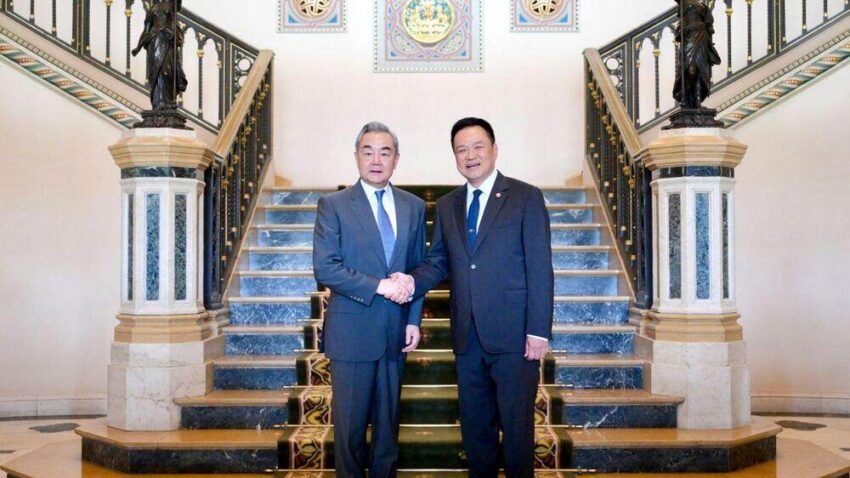
Thailand and China are coordinating a renewed tourism development strategy aimed at reshaping one of Asia’s most important travel corridors toward higher-value, experience-led tourism centered on culture, wellness, and long-term economic resilience.
What is confirmed is that Thailand has recently intensified its tourism policy shift toward “value over volume,” prioritizing higher-spending visitors, longer stays, and diversified experiences such as wellness tourism, cultural immersion, and community-based travel.
This direction is part of a broader national strategy that seeks to reposition the country as a year-round destination with stronger links between tourism, cultural policy, and regional development.
China remains one of Thailand’s most important inbound tourism markets, and both countries have been actively rebuilding travel flows following earlier disruptions in global tourism.
Recent Thai government policy frameworks explicitly identify China as a priority market while also aiming to diversify beyond mass tourism toward more segmented, experience-driven travel demand.
The alignment between the two countries is being shaped through coordinated initiatives that emphasize safety assurance, streamlined travel processes, and targeted marketing to Chinese travelers.
Thailand has introduced “trusted destination” and quality assurance measures designed to rebuild confidence among Chinese tourists, alongside promotional efforts that highlight Thailand’s wellness sector, traditional medicine, spa tourism, and cultural heritage experiences.
At the same time, Chinese outbound tourism demand has increasingly shifted toward more personalized and meaningful travel experiences, including health-focused trips, family-oriented travel, and cultural exploration.
Thailand is positioning itself to capture this demand by expanding offerings in medical tourism, wellness retreats, and curated cultural routes that connect major cities with secondary destinations.
A key mechanism in this alignment is the integration of tourism ecosystems rather than isolated promotional campaigns.
This includes cooperation between tourism authorities, airlines, travel operators, and local service providers to build end-to-end travel experiences that extend beyond major urban centers into regional and community-based destinations.
Economic stakes are significant.
Tourism remains a major contributor to Thailand’s economy, and Chinese visitors historically account for a large share of inbound arrivals.
Restoring and stabilizing this flow is therefore central to Thailand’s broader economic recovery strategy, while China benefits from strengthened regional tourism ties that support outbound travel demand and service sector expansion.
The strategy also reflects a structural shift in both countries’ tourism models.
Thailand is increasingly focused on sustainable and distributed tourism growth, reducing pressure on over-visited destinations while encouraging income distribution to local communities.
China’s role as a major outbound market is evolving toward more selective travel patterns, with greater emphasis on safety, quality, and experiential value.
The alignment is expected to expand into wellness and cultural tourism infrastructure, including curated travel corridors, improved cross-border tourism coordination, and joint promotional frameworks.
These efforts are designed to make tourism flows more resilient to future shocks while increasing the economic yield per visitor rather than relying on volume growth.
In practical terms, the outcome of this cooperation is a tourism system that prioritizes fewer but higher-value trips, stronger cultural integration, and more structured travel ecosystems linking Chinese demand with Thailand’s diversified tourism offerings.
The direction of policy on both sides signals a long-term recalibration of Southeast Asia’s largest bilateral tourism relationship toward stability, quality, and economic sustainability.
Thailand and China are coordinating a renewed tourism development strategy aimed at reshaping one of Asia’s most important travel corridors toward higher-value, experience-led tourism centered on culture, wellness, and long-term economic resilience.
What is confirmed is that Thailand has recently intensified its tourism policy shift toward “value over volume,” prioritizing higher-spending visitors, longer stays, and diversified experiences such as wellness tourism, cultural immersion, and community-based travel.
This direction is part of a broader national strategy that seeks to reposition the country as a year-round destination with stronger links between tourism, cultural policy, and regional development.
China remains one of Thailand’s most important inbound tourism markets, and both countries have been actively rebuilding travel flows following earlier disruptions in global tourism.
Recent Thai government policy frameworks explicitly identify China as a priority market while also aiming to diversify beyond mass tourism toward more segmented, experience-driven travel demand.
The alignment between the two countries is being shaped through coordinated initiatives that emphasize safety assurance, streamlined travel processes, and targeted marketing to Chinese travelers.
Thailand has introduced “trusted destination” and quality assurance measures designed to rebuild confidence among Chinese tourists, alongside promotional efforts that highlight Thailand’s wellness sector, traditional medicine, spa tourism, and cultural heritage experiences.
At the same time, Chinese outbound tourism demand has increasingly shifted toward more personalized and meaningful travel experiences, including health-focused trips, family-oriented travel, and cultural exploration.
Thailand is positioning itself to capture this demand by expanding offerings in medical tourism, wellness retreats, and curated cultural routes that connect major cities with secondary destinations.
A key mechanism in this alignment is the integration of tourism ecosystems rather than isolated promotional campaigns.
This includes cooperation between tourism authorities, airlines, travel operators, and local service providers to build end-to-end travel experiences that extend beyond major urban centers into regional and community-based destinations.
Economic stakes are significant.
Tourism remains a major contributor to Thailand’s economy, and Chinese visitors historically account for a large share of inbound arrivals.
Restoring and stabilizing this flow is therefore central to Thailand’s broader economic recovery strategy, while China benefits from strengthened regional tourism ties that support outbound travel demand and service sector expansion.
The strategy also reflects a structural shift in both countries’ tourism models.
Thailand is increasingly focused on sustainable and distributed tourism growth, reducing pressure on over-visited destinations while encouraging income distribution to local communities.
China’s role as a major outbound market is evolving toward more selective travel patterns, with greater emphasis on safety, quality, and experiential value.
The alignment is expected to expand into wellness and cultural tourism infrastructure, including curated travel corridors, improved cross-border tourism coordination, and joint promotional frameworks.
These efforts are designed to make tourism flows more resilient to future shocks while increasing the economic yield per visitor rather than relying on volume growth.
In practical terms, the outcome of this cooperation is a tourism system that prioritizes fewer but higher-value trips, stronger cultural integration, and more structured travel ecosystems linking Chinese demand with Thailand’s diversified tourism offerings.
The direction of policy on both sides signals a long-term recalibration of Southeast Asia’s largest bilateral tourism relationship toward stability, quality, and economic sustainability.