Middle East War Sends Shockwaves Through Thailand’s Economy as Energy Costs Surge and Tourism Weakens
Rising oil prices from the Middle East conflict are feeding inflation, weakening growth forecasts, and undermining Thailand’s tourism-driven recovery
SYSTEM-DRIVEN forces—global energy markets and tourism flows disrupted by geopolitical conflict—are now reshaping Thailand’s near-term economic outlook.
The key transmission channel is straightforward: a prolonged war in the Middle East has tightened global oil supply expectations, pushed up energy prices, and increased transport costs worldwide.
For Thailand, a major energy importer and tourism-dependent economy, the effects are quickly feeding into inflation, growth forecasts, and foreign visitor demand.
What is confirmed across current economic assessments is that Thai policymakers and analysts have downgraded growth expectations for 2026 while raising inflation forecasts.
The Bank of Thailand has kept its policy interest rate at 1.00%, but revised its GDP growth outlook down to around 1.5%, reflecting weaker domestic demand and external pressure from higher energy costs.
Inflation has been lifted significantly toward the upper end of its target range, driven primarily by more expensive fuel and imported commodities.
Similar revisions from other economic institutions place growth closer to the low 1 percent range, signaling a broad consensus of slower expansion under sustained energy pressure.
The mechanism is primarily imported inflation.
Thailand relies heavily on imported oil and refined energy products.
When global crude prices rise due to supply disruption risks—especially along key maritime chokepoints linked to Middle Eastern conflict—domestic transport, logistics, and production costs increase.
Businesses face higher operating expenses, while households absorb higher fuel and food prices.
This combination reduces purchasing power and delays private consumption and investment, reinforcing slower economic momentum.
Tourism, a sector contributing roughly a tenth of Thailand’s GDP, is simultaneously absorbing a second shock.
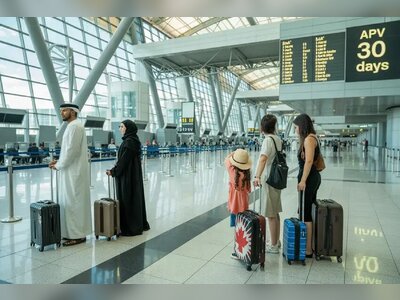
Airline routes connecting Europe, the Middle East, and Asia have become more expensive and less predictable due to longer flight paths and higher fuel consumption.
Industry estimates and official projections now place foreign arrivals in 2026 in a lower range than previously expected, with potential losses of several million visitors if conflict conditions persist.
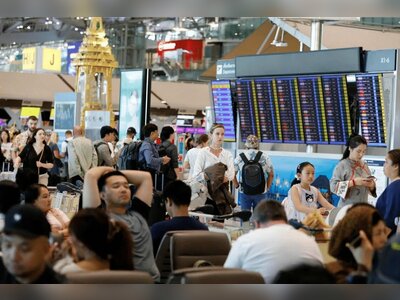
Travel agencies and tourism authorities report weakening demand from long-haul markets and rising airfare costs that are discouraging discretionary travel.
At the same time, Thailand is attempting to cushion the impact through fiscal stimulus and targeted tourism strategies, including a shift toward higher-spending visitors and regional markets less exposed to long-haul disruptions.
Government plans include increased public spending and support for affected sectors such as hospitality and transportation, aiming to offset weak private-sector demand.
The broader consequence is a synchronized squeeze: higher inflation driven by external energy shocks colliding with weaker growth in consumption and tourism.
This combination limits the central bank’s policy flexibility, as tightening risks further slowing growth while easing risks entrenching inflation.
The immediate trajectory of Thailand’s economy will therefore depend heavily on the duration and severity of the Middle East conflict and its continued effect on global energy and travel systems, which are now the dominant external drivers of domestic economic conditions.
The key transmission channel is straightforward: a prolonged war in the Middle East has tightened global oil supply expectations, pushed up energy prices, and increased transport costs worldwide.
For Thailand, a major energy importer and tourism-dependent economy, the effects are quickly feeding into inflation, growth forecasts, and foreign visitor demand.
What is confirmed across current economic assessments is that Thai policymakers and analysts have downgraded growth expectations for 2026 while raising inflation forecasts.
The Bank of Thailand has kept its policy interest rate at 1.00%, but revised its GDP growth outlook down to around 1.5%, reflecting weaker domestic demand and external pressure from higher energy costs.
Inflation has been lifted significantly toward the upper end of its target range, driven primarily by more expensive fuel and imported commodities.
Similar revisions from other economic institutions place growth closer to the low 1 percent range, signaling a broad consensus of slower expansion under sustained energy pressure.
The mechanism is primarily imported inflation.
Thailand relies heavily on imported oil and refined energy products.
When global crude prices rise due to supply disruption risks—especially along key maritime chokepoints linked to Middle Eastern conflict—domestic transport, logistics, and production costs increase.
Businesses face higher operating expenses, while households absorb higher fuel and food prices.
This combination reduces purchasing power and delays private consumption and investment, reinforcing slower economic momentum.
Tourism, a sector contributing roughly a tenth of Thailand’s GDP, is simultaneously absorbing a second shock.
Airline routes connecting Europe, the Middle East, and Asia have become more expensive and less predictable due to longer flight paths and higher fuel consumption.
Industry estimates and official projections now place foreign arrivals in 2026 in a lower range than previously expected, with potential losses of several million visitors if conflict conditions persist.
Travel agencies and tourism authorities report weakening demand from long-haul markets and rising airfare costs that are discouraging discretionary travel.
At the same time, Thailand is attempting to cushion the impact through fiscal stimulus and targeted tourism strategies, including a shift toward higher-spending visitors and regional markets less exposed to long-haul disruptions.
Government plans include increased public spending and support for affected sectors such as hospitality and transportation, aiming to offset weak private-sector demand.
The broader consequence is a synchronized squeeze: higher inflation driven by external energy shocks colliding with weaker growth in consumption and tourism.
This combination limits the central bank’s policy flexibility, as tightening risks further slowing growth while easing risks entrenching inflation.
The immediate trajectory of Thailand’s economy will therefore depend heavily on the duration and severity of the Middle East conflict and its continued effect on global energy and travel systems, which are now the dominant external drivers of domestic economic conditions.