As Aid Fades, Thailand’s Move to Permit Legal Work Offers New Prospects for Myanmar Refugees
With humanitarian funding shrinking, Thailand breaks with decades of policy to allow long-term refugees to work legally, aiming for self-reliance and economic inclusion
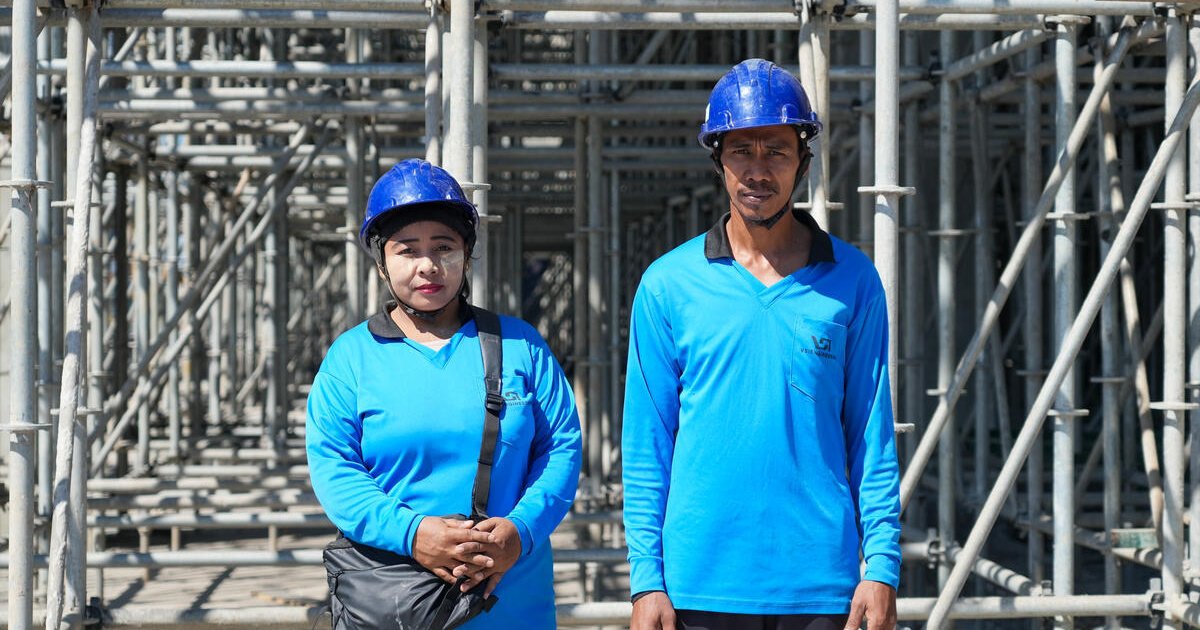
As international humanitarian assistance for refugees in Thailand’s border camps has sharply declined, the Thai government has adopted a groundbreaking policy allowing long-term refugees from Myanmar to seek legal employment, offering a tangible path to self-sufficiency after years of dependence on aid.
The move comes amid significant reductions in external funding for core services in the camps, prompting authorities to respond to both humanitarian needs and emerging national labor shortages.
For decades, more than 80,000 refugees living in nine temporary shelters along the Thai-Myanmar border were barred from participating in the formal economy and confined to restricted movements.
Official figures indicate that tens of thousands of these refugees, many of whom were born in the camps, have spent their lives with little opportunity to earn legal income.
Thailand’s late-August cabinet decision now permits eligible refugees to apply for work permits valid for up to one year and to leave the camps for employment, particularly in sectors such as agriculture, construction and services that face persistent labor gaps.
The shift is widely seen as a pragmatic response to intersecting pressures: the collapse of core food and health aid after major donor cutbacks, long-standing restrictions on refugee economic participation, and labor market needs exacerbated by demographic changes and labor outflows.
United Nations agencies and advocacy groups have praised the policy for expanding refugees’ economic prospects, describing it as a strategic investment that empowers displaced individuals while contributing to local and national economic resilience.
Government officials have underscored that legal employment does not alter refugees’ ultimate legal status, including pathways to citizenship or resettlement, but provides them with essential dignity and autonomy after years of constrained existence in camps.
Refugees themselves see the new rights as a rare opportunity to support their families, reduce reliance on dwindling humanitarian aid, and contribute meaningfully to the Thai economy.
The implementation framework requires refugees to secure permission to leave camps and undergo health and eligibility screenings before employment, with ongoing dialogue among Thai authorities, humanitarian agencies and civil society to ensure transparent and rights-respecting processes.
Observers note that this policy could serve as a regional example of sustainable refugee inclusion as global aid landscapes shift and host countries seek resilient, locally grounded solutions.
The move comes amid significant reductions in external funding for core services in the camps, prompting authorities to respond to both humanitarian needs and emerging national labor shortages.
For decades, more than 80,000 refugees living in nine temporary shelters along the Thai-Myanmar border were barred from participating in the formal economy and confined to restricted movements.
Official figures indicate that tens of thousands of these refugees, many of whom were born in the camps, have spent their lives with little opportunity to earn legal income.
Thailand’s late-August cabinet decision now permits eligible refugees to apply for work permits valid for up to one year and to leave the camps for employment, particularly in sectors such as agriculture, construction and services that face persistent labor gaps.
The shift is widely seen as a pragmatic response to intersecting pressures: the collapse of core food and health aid after major donor cutbacks, long-standing restrictions on refugee economic participation, and labor market needs exacerbated by demographic changes and labor outflows.
United Nations agencies and advocacy groups have praised the policy for expanding refugees’ economic prospects, describing it as a strategic investment that empowers displaced individuals while contributing to local and national economic resilience.
Government officials have underscored that legal employment does not alter refugees’ ultimate legal status, including pathways to citizenship or resettlement, but provides them with essential dignity and autonomy after years of constrained existence in camps.
Refugees themselves see the new rights as a rare opportunity to support their families, reduce reliance on dwindling humanitarian aid, and contribute meaningfully to the Thai economy.
The implementation framework requires refugees to secure permission to leave camps and undergo health and eligibility screenings before employment, with ongoing dialogue among Thai authorities, humanitarian agencies and civil society to ensure transparent and rights-respecting processes.
Observers note that this policy could serve as a regional example of sustainable refugee inclusion as global aid landscapes shift and host countries seek resilient, locally grounded solutions.