Thailand’s 2026 Election Reinforces Traditional Power Networks as Conservatives Triumph
Voters return a conservative majority amid enduring influence of political dynasties and patronage structures
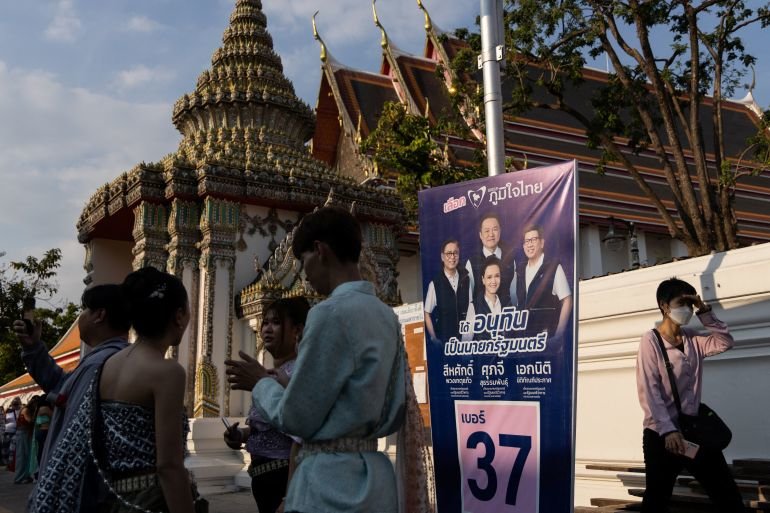
Thailand’s February eighth general election has returned the country’s political landscape toward familiar power structures, with conservative forces led by Prime Minister Anutin Charnvirakul’s Bhumjaithai Party securing a decisive lead in the House of Representatives.
Official and unofficial tallies show Bhumjaithai winning around 193 seats in the 500-member chamber, significantly expanding its parliamentary presence and positioning it to form a new government in coalition with other major parties.
The decisive outcome marks a resurgence of established political influence often associated with long-standing local power brokers known colloquially as “baan yai” — influential regional political families whose networks and patronage continue to shape electoral behaviour across much of the kingdom, particularly outside major urban centres.
Analysts note that these entrenched dynastic centres, allied with Bhumjaithai’s campaign machinery, played a pivotal role in offsetting gains by reformist parties, especially in rural provinces where personalised politics remains deeply rooted.
Reform-oriented movements such as the People’s Party, which aimed to build upon its urban support base and message of structural change, saw their momentum dwindle in the face of the conservative surge.
The progressive party’s seat count fell short of expectations, reflecting a shift of voter allegiance to stability-centric narratives emphasised by Bhumjaithai and its allies.
Meanwhile, the populist Pheu Thai Party — historically a dominant force anchored in the Shinawatra political dynasty — experienced a notable decline, finishing behind both Bhumjaithai and the People’s Party.
Observers suggest that the election result underscores how Thailand’s complex interplay of national sentiment, local patronage and elite influence continues to shape outcomes, validating the enduring strength of traditional power networks even as younger, reformist voices press for political renewal.
With Bhumjaithai’s commanding position, coalition negotiations are expected to consolidate conservative leadership in the next government, as lawmakers and party leaders work toward parliamentary approval of the prime minister and cabinet appointments in the coming weeks.
Official and unofficial tallies show Bhumjaithai winning around 193 seats in the 500-member chamber, significantly expanding its parliamentary presence and positioning it to form a new government in coalition with other major parties.
The decisive outcome marks a resurgence of established political influence often associated with long-standing local power brokers known colloquially as “baan yai” — influential regional political families whose networks and patronage continue to shape electoral behaviour across much of the kingdom, particularly outside major urban centres.
Analysts note that these entrenched dynastic centres, allied with Bhumjaithai’s campaign machinery, played a pivotal role in offsetting gains by reformist parties, especially in rural provinces where personalised politics remains deeply rooted.
Reform-oriented movements such as the People’s Party, which aimed to build upon its urban support base and message of structural change, saw their momentum dwindle in the face of the conservative surge.
The progressive party’s seat count fell short of expectations, reflecting a shift of voter allegiance to stability-centric narratives emphasised by Bhumjaithai and its allies.
Meanwhile, the populist Pheu Thai Party — historically a dominant force anchored in the Shinawatra political dynasty — experienced a notable decline, finishing behind both Bhumjaithai and the People’s Party.
Observers suggest that the election result underscores how Thailand’s complex interplay of national sentiment, local patronage and elite influence continues to shape outcomes, validating the enduring strength of traditional power networks even as younger, reformist voices press for political renewal.
With Bhumjaithai’s commanding position, coalition negotiations are expected to consolidate conservative leadership in the next government, as lawmakers and party leaders work toward parliamentary approval of the prime minister and cabinet appointments in the coming weeks.