Bangkok Governor Orders Widespread Work-From-Home and Seawall Preparations as PM2.5 Soars
Under worsening air pollution, the capital enacts construction, emissions and flood-defence measures while urging remote work and vendor regulation
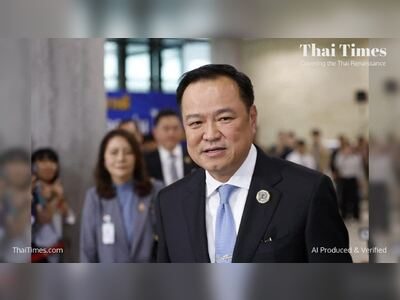
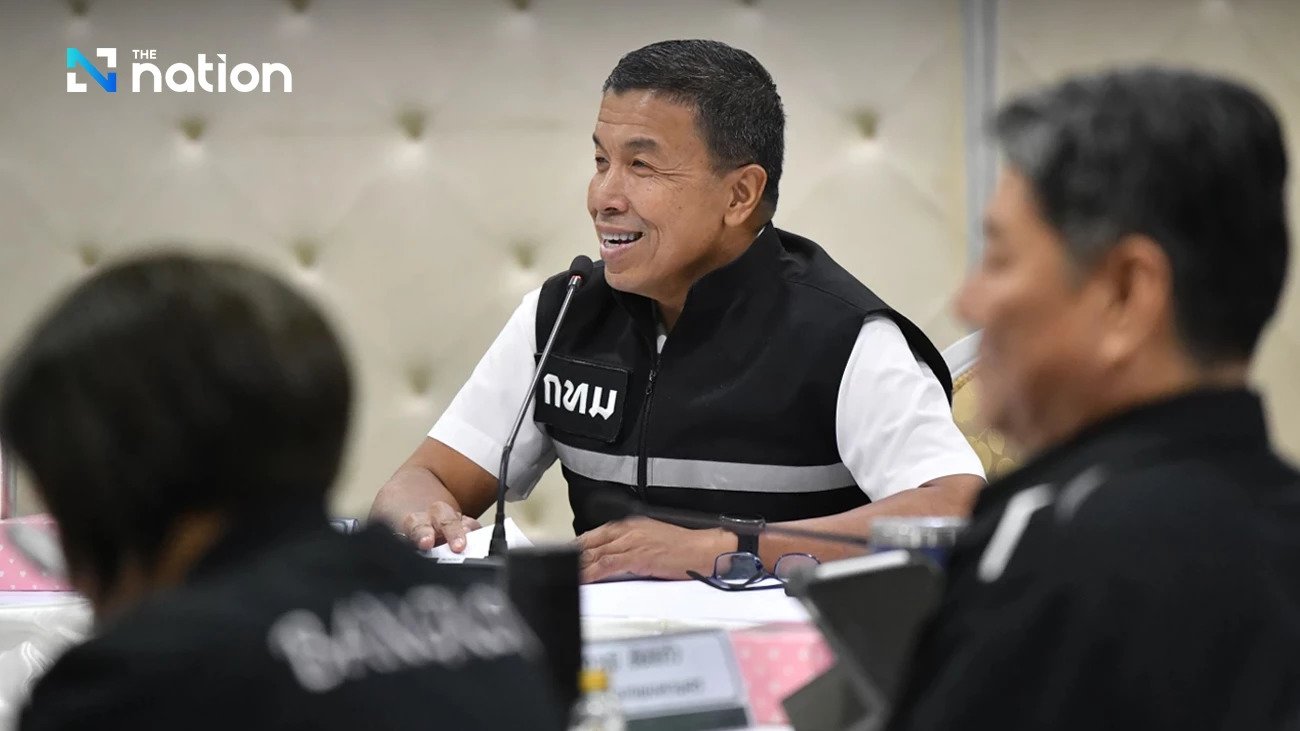
Bangkok’s Governor Chadchart Sittipunt has ordered sweeping new measures to address the twin threats of hazardous air quality and seasonal high tides — mandating continuous pollution controls at construction and industrial sites, enforcing black-smoke vehicle checks, and preparing flood defences as part of a broader public-health and safety push.
The governor announced on 4 December 2025 that, in response to elevated fine-dust (PM2.5) levels, public and private organisations are being urged to allow employees to work from home on that day.
The move accompanies a crackdown on key pollution sources: active construction sites and factories will be closely monitored, vehicles emitting excessive smoke are to be barred from key roads and prohibited from accessing building sites, and municipal offices will inspect compliance across all Bangkok districts.
Authorities emphasised ongoing public communication, with plans for visible enforcement actions including air-quality testing, temporary site closures, and vehicle-usage restrictions.
The governor also called on district officials to personally oversee regulation of street vendors and local construction to ensure safety and public-order standards are maintained.
Concurrently, with the year’s final high-tide period beginning, special focus is being placed on flood defences — particularly in areas outside the main embankment.
District offices are instructed to verify the condition of sand-bag barriers, inspect temporary wooden bridges, and check for unprotected “gap” sections in flood walls.
The measures follow a pattern of recent policy shifts by the Bangkok Metropolitan Administration (BMA) aimed at mitigating air pollution.
Under revised protocols, the city can trigger work-from-home recommendations when a significant portion of districts report PM2.5 at “orange” levels.
These steps form part of an expanded strategy to reduce traffic-related emissions, industrial pollutants and construction dust, while safeguarding residents from seasonal flooding and urban disorder.
Officials said the combined enforcement and disaster-preparedness agenda is designed to protect public health and urban resilience — especially as Bangkok contends with overlapping environmental and infrastructural vulnerabilities in the coming weeks.
The governor announced on 4 December 2025 that, in response to elevated fine-dust (PM2.5) levels, public and private organisations are being urged to allow employees to work from home on that day.
The move accompanies a crackdown on key pollution sources: active construction sites and factories will be closely monitored, vehicles emitting excessive smoke are to be barred from key roads and prohibited from accessing building sites, and municipal offices will inspect compliance across all Bangkok districts.
Authorities emphasised ongoing public communication, with plans for visible enforcement actions including air-quality testing, temporary site closures, and vehicle-usage restrictions.
The governor also called on district officials to personally oversee regulation of street vendors and local construction to ensure safety and public-order standards are maintained.
Concurrently, with the year’s final high-tide period beginning, special focus is being placed on flood defences — particularly in areas outside the main embankment.
District offices are instructed to verify the condition of sand-bag barriers, inspect temporary wooden bridges, and check for unprotected “gap” sections in flood walls.
The measures follow a pattern of recent policy shifts by the Bangkok Metropolitan Administration (BMA) aimed at mitigating air pollution.
Under revised protocols, the city can trigger work-from-home recommendations when a significant portion of districts report PM2.5 at “orange” levels.
These steps form part of an expanded strategy to reduce traffic-related emissions, industrial pollutants and construction dust, while safeguarding residents from seasonal flooding and urban disorder.
Officials said the combined enforcement and disaster-preparedness agenda is designed to protect public health and urban resilience — especially as Bangkok contends with overlapping environmental and infrastructural vulnerabilities in the coming weeks.