Chiang Rai Emerges as Serene Gateway to Thailand’s Golden Triangle
Northern Thailand’s lesser-visited city offers temples, night markets and countryside escapes away from the usual tourist bustle
Chiang Rai, located in northern Thailand at the intersection of Thailand, Myanmar and Laos, is carving out a reputation as a mellow but enriching travel destination for visitors seeking culture, nature and authenticity.
As the busiest tourist hubs grow crowded, this quieter city stands out with accessibility and regional character.
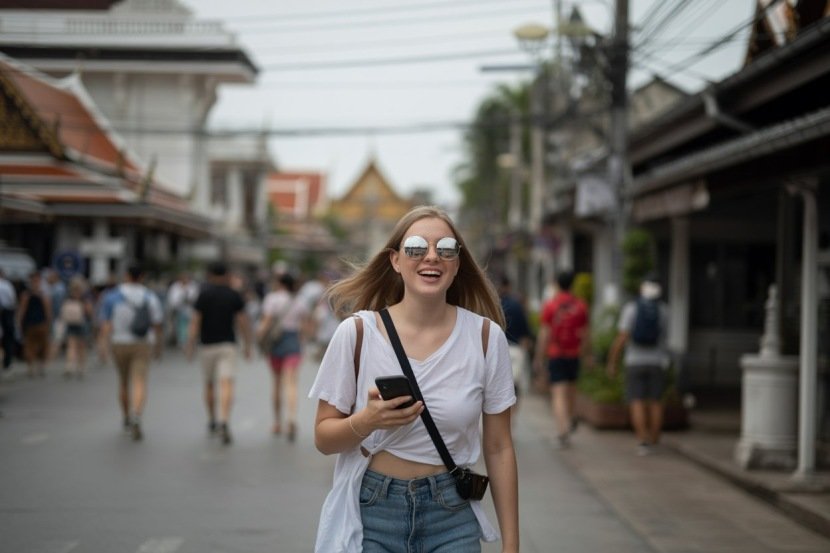
Getting around Chiang Rai is straightforward and flexible.
Within the city, walking, tuk-tuks and songthaews (shared pick-up trucks) remain the easiest options.
For exploring the wider province, rentals of cars or motorbikes—and even the alternative of taxis or private drivers—are affordable and well-provided by local agencies.
Among the most notable attractions is the celebrated White Temple (Wat Rong Khun) just outside the city, with a striking modern design that fuses Thai tradition with contemporary artistry.
Alongside this, visitors discover vibrant night markets offering regional dishes such as khao soi and sai ua, as well as cafés and local crafts that reflect the area’s multicultural influences from Yunnan and Myanmar.
Beyond the urban centre, the broader province is a playground for nature-loving travellers.
Rolling tea-plantations, mountain viewpoints and rivers merging at the Golden Triangle region invite longer stays and off-beat day trips.
Recent guides highlight Chiang Rai as less tourist-dense than nearby hubs, making it ideal for immersive experiences and more relaxed pacing.
Chiang Rai’s role is also rising on the destination map: the city has been selected to host the Pacific Asia Travel Association Destination Marketing Forum 2025 in early December, underlining its appeal to the travel industry and its positioning as a growth locale for thoughtful tourism.
Visitors can look ahead to an experience that blends Thailand’s rural authenticity with comfortable travel infrastructure and evolving cultural draws.
As the busiest tourist hubs grow crowded, this quieter city stands out with accessibility and regional character.
Getting around Chiang Rai is straightforward and flexible.
Within the city, walking, tuk-tuks and songthaews (shared pick-up trucks) remain the easiest options.
For exploring the wider province, rentals of cars or motorbikes—and even the alternative of taxis or private drivers—are affordable and well-provided by local agencies.
Among the most notable attractions is the celebrated White Temple (Wat Rong Khun) just outside the city, with a striking modern design that fuses Thai tradition with contemporary artistry.
Alongside this, visitors discover vibrant night markets offering regional dishes such as khao soi and sai ua, as well as cafés and local crafts that reflect the area’s multicultural influences from Yunnan and Myanmar.
Beyond the urban centre, the broader province is a playground for nature-loving travellers.
Rolling tea-plantations, mountain viewpoints and rivers merging at the Golden Triangle region invite longer stays and off-beat day trips.
Recent guides highlight Chiang Rai as less tourist-dense than nearby hubs, making it ideal for immersive experiences and more relaxed pacing.
Chiang Rai’s role is also rising on the destination map: the city has been selected to host the Pacific Asia Travel Association Destination Marketing Forum 2025 in early December, underlining its appeal to the travel industry and its positioning as a growth locale for thoughtful tourism.
Visitors can look ahead to an experience that blends Thailand’s rural authenticity with comfortable travel infrastructure and evolving cultural draws.