China Announces Wang Yi’s Southeast Asia Tour Covering Thailand, Cambodia and Myanmar
Beijing says the foreign minister’s visit aims to deepen strategic cooperation and reinforce regional stability through high-level diplomatic engagement across three neighbouring states
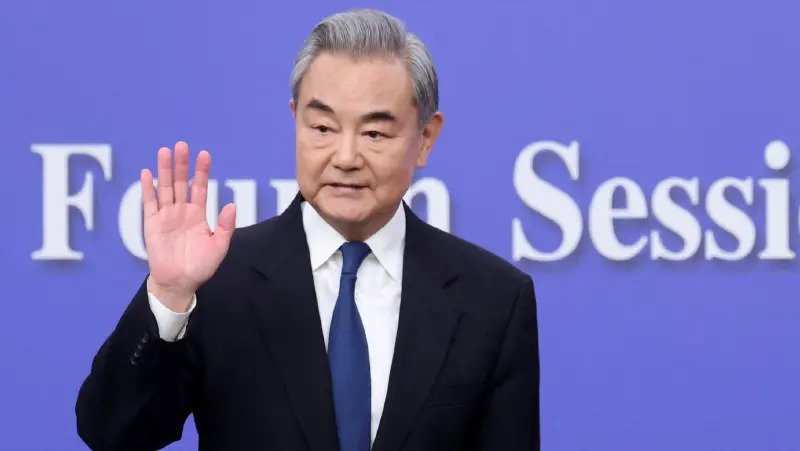
China has confirmed that Foreign Minister Wang Yi will undertake an official visit to Cambodia, Thailand and Myanmar from April 22 to April 26, in a diplomatic tour designed to strengthen strategic coordination and expand cooperation across Southeast Asia.
The visit, announced by China’s foreign ministry, will see Wang travel first to Cambodia, where he will take part in the inaugural China–Cambodia 2+2 strategic dialogue alongside Defence Minister Dong Jun. The mechanism brings together foreign and defence ministers from both sides for structured discussions on political, security and military cooperation.
Subsequent stops in Thailand and Myanmar are expected to focus on consolidating bilateral ties and advancing what Beijing describes as a shared commitment to regional peace, stability and development.
Officials have characterised all three countries as close neighbours and key partners in China’s broader regional diplomacy framework.
During the Cambodia leg of the trip, discussions are expected to cover a wide range of issues including bilateral relations, regional security dynamics, and defence cooperation.
The new 2+2 format is being positioned as a platform to enhance policy coordination at a time of evolving geopolitical and security pressures in the region.
China has also indicated that the visit will be used to reinforce previously reached understandings between national leaders and to promote what it calls a “community with a shared future” with neighbouring countries.
The tour comes amid ongoing efforts to stabilise cross-border relations and strengthen economic and security links across mainland Southeast Asia.
Wang’s visit follows a series of recent diplomatic engagements between China and both Thailand and Cambodia, including discussions on border stability, infrastructure cooperation, and regional connectivity initiatives.
In Myanmar, dialogue is expected to reflect ongoing concerns over domestic stability and broader regional spillover risks.
The trip underscores Beijing’s continued emphasis on high-level diplomacy in Southeast Asia, with a focus on institutionalised cooperation mechanisms and sustained political engagement across its immediate neighbourhood.
The visit, announced by China’s foreign ministry, will see Wang travel first to Cambodia, where he will take part in the inaugural China–Cambodia 2+2 strategic dialogue alongside Defence Minister Dong Jun. The mechanism brings together foreign and defence ministers from both sides for structured discussions on political, security and military cooperation.
Subsequent stops in Thailand and Myanmar are expected to focus on consolidating bilateral ties and advancing what Beijing describes as a shared commitment to regional peace, stability and development.
Officials have characterised all three countries as close neighbours and key partners in China’s broader regional diplomacy framework.
During the Cambodia leg of the trip, discussions are expected to cover a wide range of issues including bilateral relations, regional security dynamics, and defence cooperation.
The new 2+2 format is being positioned as a platform to enhance policy coordination at a time of evolving geopolitical and security pressures in the region.
China has also indicated that the visit will be used to reinforce previously reached understandings between national leaders and to promote what it calls a “community with a shared future” with neighbouring countries.
The tour comes amid ongoing efforts to stabilise cross-border relations and strengthen economic and security links across mainland Southeast Asia.
Wang’s visit follows a series of recent diplomatic engagements between China and both Thailand and Cambodia, including discussions on border stability, infrastructure cooperation, and regional connectivity initiatives.
In Myanmar, dialogue is expected to reflect ongoing concerns over domestic stability and broader regional spillover risks.
The trip underscores Beijing’s continued emphasis on high-level diplomacy in Southeast Asia, with a focus on institutionalised cooperation mechanisms and sustained political engagement across its immediate neighbourhood.