Chinese Designer-Toy Brands Make Thailand Their Testing Ground for the Next “Labubu”
Brands such as 52TOYS, Pop Mart and Heyone expand into Thailand amid strong youth demand and regional market opportunity
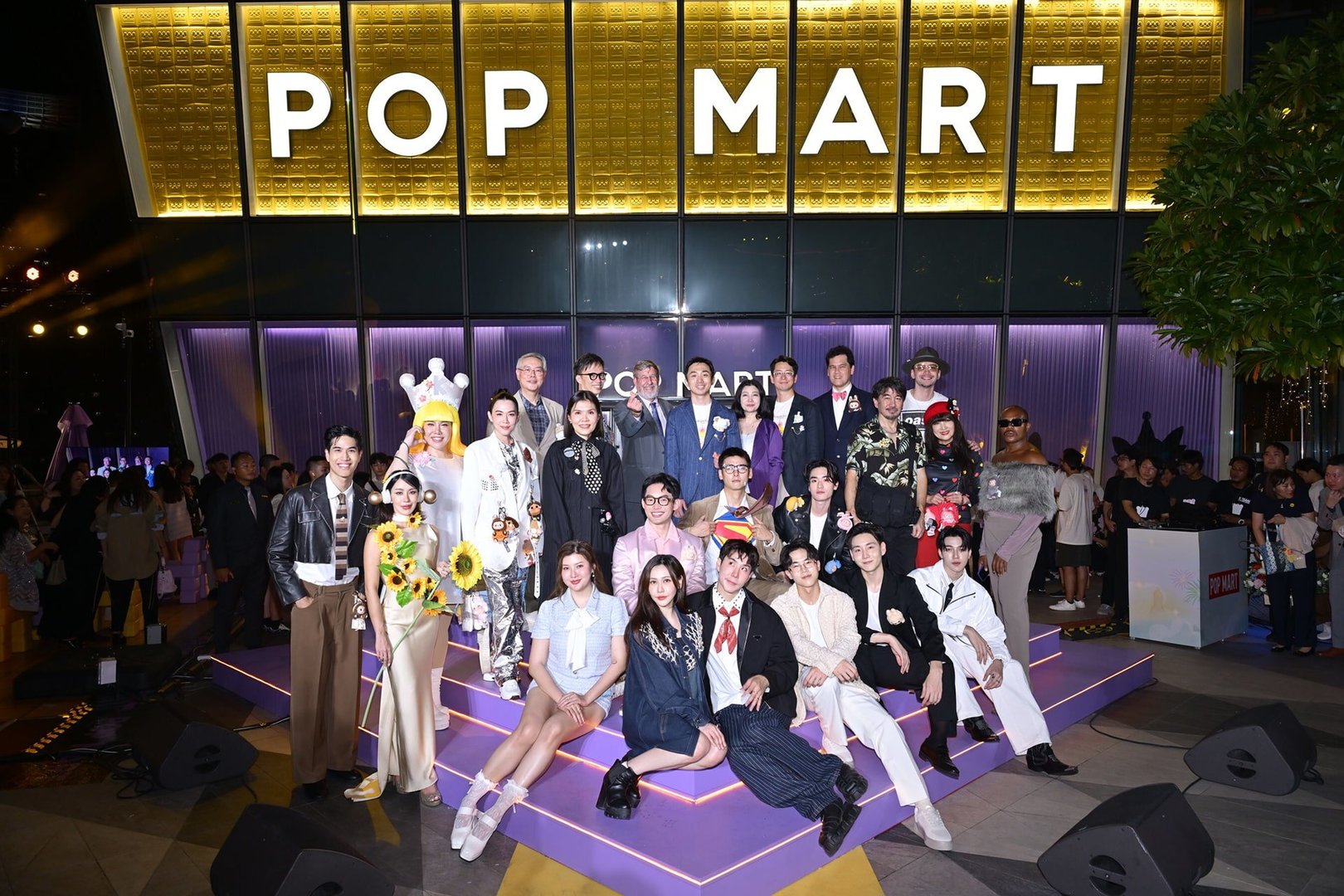
Chinese collectible-toy companies are accelerating their presence in Thailand, seeking to replicate the success of the Labubu character from mainland player POP MART.
Thailand’s youthful consumer market and strong appetite for “art toys” make it a preferred launchpad for regional expansion rather than simply a resale destination.
Brands such as 52TOYS and Heyone have deepened their commitment to the Thai market.
52TOYS, for example, opened its first store outside China in Bangkok in 2023, and its animal-character “Panda Roll” series has already become a weekend favourite among local Gen Z buyers.
Heyone held large-scale character events in Thailand in September and October 2025, targeting the same collector segment.
Analysts say the shift is driven by China’s domestic market cooling and the free-trade agreement between China and the Association of Southeast Asian Nations (ASEAN), which gives mainland brands favourable access to regional markets.
Thailand’s market profile aligns well with the blind-box collectible model.
More than 60 per cent of buyers in the region are aged between 20 and 35 and roughly 65 per cent are female, according to brand executives.
POP MART’s Thai stores repeatedly sold out on opening days—one Bangkok shop achieved more than 10 million yuan (around US$1.37 million) in sales on its first day in mid-2024.
The blind-box format — under which buyers do not know which version of a figure they receive — remains central to the appeal.
Retail stores and e-commerce drops in Bangkok reflect a “collector mindset” more often seen in streetwear or trading cards.
POP MART’s Thai store listings show figures priced between 320 baht and more than 2,600 baht, signalling a premium market positioning.
Manufacturers say that Thailand offers several strategic advantages: strong tourism traffic, regional manufacturing integration, and a dynamic urban youth culture receptive to new IPs.
The Thai retail consultant Shuhei Hashimoto notes that Thailand may serve as a “litmus test” for regional rollout before brands invest more heavily in Southeast Asia.
Industry observers caution that the success of new characters will depend on authenticity, localization and the ability to build community rather than simply replicate existing IPs.
Already, the popularity of Japanese characters such as Hello Kitty and Crayon Shin‑chan in Thailand may face competition from rising Chinese IPs.
For now, Bangkok’s malls and toy-focus zones—such as the six-storey Mega Plaza Saphan Lek—are fast becoming hubs of the designer-toy universe.
Chinese brands appear determined to crack the market and stake their claim in this vibrant Southeast Asian capital.
Thailand’s youthful consumer market and strong appetite for “art toys” make it a preferred launchpad for regional expansion rather than simply a resale destination.
Brands such as 52TOYS and Heyone have deepened their commitment to the Thai market.
52TOYS, for example, opened its first store outside China in Bangkok in 2023, and its animal-character “Panda Roll” series has already become a weekend favourite among local Gen Z buyers.
Heyone held large-scale character events in Thailand in September and October 2025, targeting the same collector segment.
Analysts say the shift is driven by China’s domestic market cooling and the free-trade agreement between China and the Association of Southeast Asian Nations (ASEAN), which gives mainland brands favourable access to regional markets.
Thailand’s market profile aligns well with the blind-box collectible model.
More than 60 per cent of buyers in the region are aged between 20 and 35 and roughly 65 per cent are female, according to brand executives.
POP MART’s Thai stores repeatedly sold out on opening days—one Bangkok shop achieved more than 10 million yuan (around US$1.37 million) in sales on its first day in mid-2024.
The blind-box format — under which buyers do not know which version of a figure they receive — remains central to the appeal.
Retail stores and e-commerce drops in Bangkok reflect a “collector mindset” more often seen in streetwear or trading cards.
POP MART’s Thai store listings show figures priced between 320 baht and more than 2,600 baht, signalling a premium market positioning.
Manufacturers say that Thailand offers several strategic advantages: strong tourism traffic, regional manufacturing integration, and a dynamic urban youth culture receptive to new IPs.
The Thai retail consultant Shuhei Hashimoto notes that Thailand may serve as a “litmus test” for regional rollout before brands invest more heavily in Southeast Asia.
Industry observers caution that the success of new characters will depend on authenticity, localization and the ability to build community rather than simply replicate existing IPs.
Already, the popularity of Japanese characters such as Hello Kitty and Crayon Shin‑chan in Thailand may face competition from rising Chinese IPs.
For now, Bangkok’s malls and toy-focus zones—such as the six-storey Mega Plaza Saphan Lek—are fast becoming hubs of the designer-toy universe.
Chinese brands appear determined to crack the market and stake their claim in this vibrant Southeast Asian capital.