Etihad Refuses Groom Boarding to Thailand Honeymoon Over Faint Stamp Smudge on Passport
Newlyweds’ £2,400 holiday derailed after airline deems a faint smudge as water-damage and blocks boarding to Phuket
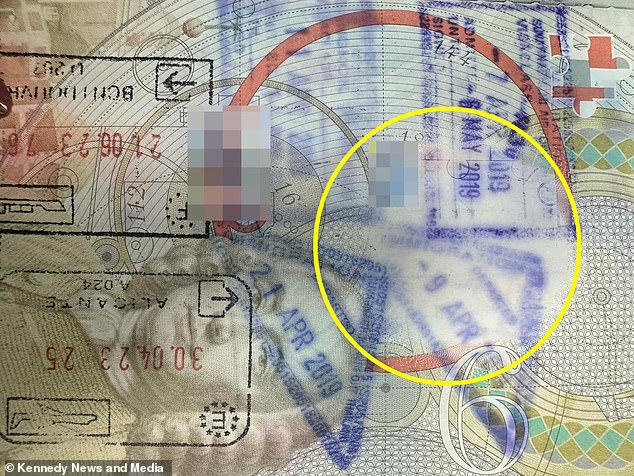
A groom on his honeymoon to Thailand was refused boarding by Etihad Airways over what staff described as “water-damage” to his British passport, caused by a faint smudge on a 2019 Thai travel stamp.
The incident occurred at Manchester Airport on October 7 when newlyweds Josh Reekie, 31, and his wife Eden attempted to check in for their two-week package holiday to Phuket.
Reekie, who says he had flown internationally twelve times in the preceding eleven months with the same passport without issue, was told by Etihad staff that his passport page bore water-damage and therefore failed Thailand’s entry requirements.
His wife’s passport was accepted and she flew alone.
Their return flight and accommodation were subsequently cancelled by travel provider TUI Group, leaving the couple to rebook a last-minute trip to Cyprus at additional cost.
Reekie said he was left “gutted” by the decision and questioned the authority of a single check-in official who denied his boarding without offering a second opinion.
He noted that the alleged smudge did not affect the photo page and argued the passport appeared entirely normal at previous screenings.
Etihad responded that it consulted Thailand’s immigration authorities, and their advice led the airline to refuse boarding.
A company spokesman said that British passports must be machine-readable, fully intact and free of torn pages, water damage or illegible details under Thai immigration policy.
The couple are seeking compensation from both Etihad and TUI.
The case underscores how minor damage to travel documents can, in some cases, result in major disruptions—especially when destination-state immigration policies are applied by airlines at departure.
Passport-and-travel-insurance experts note airlines may refuse boarding where destination authorities will penalise them for transporting invalid travellers, meaning decisions often rest on the airline’s risk assessment rather than traveller comfort.
The incident occurred at Manchester Airport on October 7 when newlyweds Josh Reekie, 31, and his wife Eden attempted to check in for their two-week package holiday to Phuket.
Reekie, who says he had flown internationally twelve times in the preceding eleven months with the same passport without issue, was told by Etihad staff that his passport page bore water-damage and therefore failed Thailand’s entry requirements.
His wife’s passport was accepted and she flew alone.
Their return flight and accommodation were subsequently cancelled by travel provider TUI Group, leaving the couple to rebook a last-minute trip to Cyprus at additional cost.
Reekie said he was left “gutted” by the decision and questioned the authority of a single check-in official who denied his boarding without offering a second opinion.
He noted that the alleged smudge did not affect the photo page and argued the passport appeared entirely normal at previous screenings.
Etihad responded that it consulted Thailand’s immigration authorities, and their advice led the airline to refuse boarding.
A company spokesman said that British passports must be machine-readable, fully intact and free of torn pages, water damage or illegible details under Thai immigration policy.
The couple are seeking compensation from both Etihad and TUI.
The case underscores how minor damage to travel documents can, in some cases, result in major disruptions—especially when destination-state immigration policies are applied by airlines at departure.
Passport-and-travel-insurance experts note airlines may refuse boarding where destination authorities will penalise them for transporting invalid travellers, meaning decisions often rest on the airline’s risk assessment rather than traveller comfort.