Kasikornbank Warns Thailand GDP Could Slip Below 1% as Oil Shock Fuels Inflation Pressure
Rising global energy prices driven by Middle East tensions are expected to weigh on growth, lift inflation, and strain Thailand’s export- and tourism-dependent economy
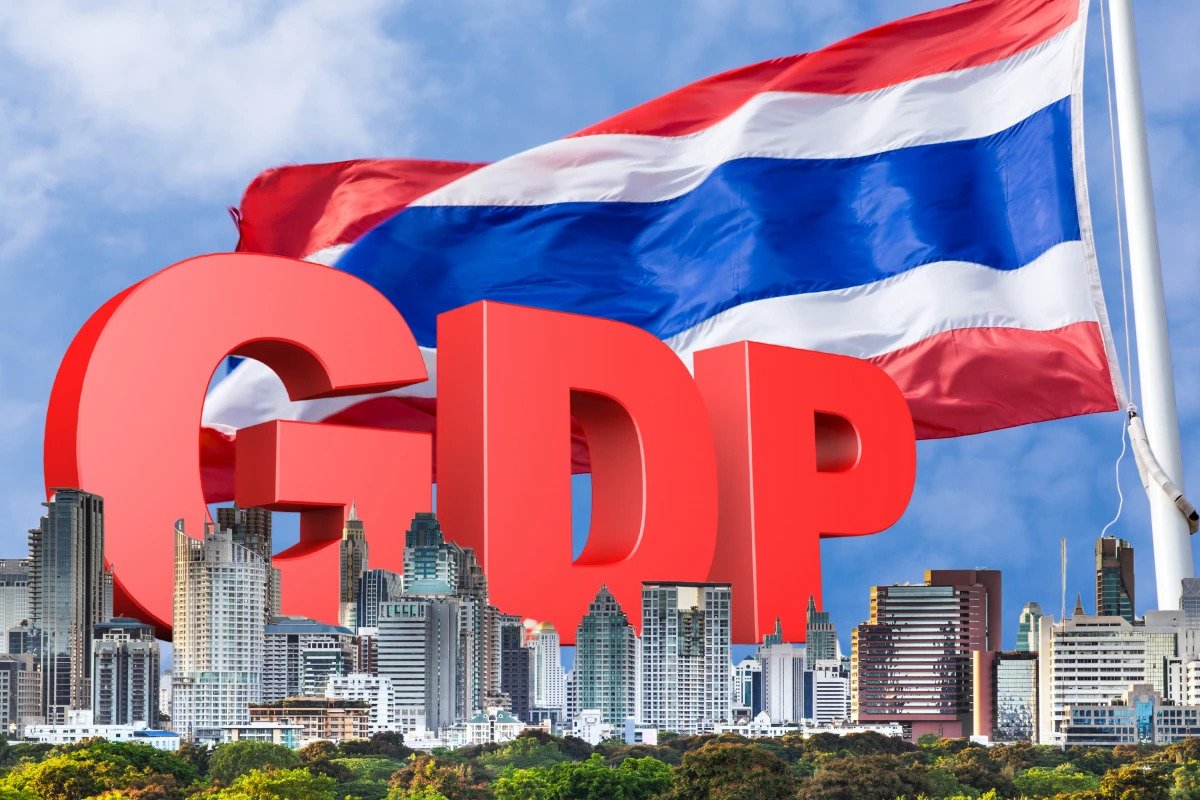
Thailand’s economic outlook has weakened further as new analysis from Kasikornbank indicates that gross domestic product growth could fall below one percent this year if elevated oil prices persist and inflationary pressures intensify.
The warning reflects growing concern across Thailand’s financial sector that sustained volatility in global energy markets—driven primarily by geopolitical tensions in the Middle East—could significantly disrupt domestic economic stability.
Higher crude oil prices are feeding directly into transport, manufacturing, and household costs, increasing the risk of a broad-based slowdown in activity.
Recent projections suggest that if global oil prices remain above 100 US dollars per barrel for an extended period, Thailand’s GDP growth could be reduced by as much as 0.2 to 0.7 percentage points.
In more severe scenarios, where prices stay significantly elevated, the impact could be larger, pushing overall growth closer to stagnation levels.
Some market assessments now place baseline growth expectations around the low one percent range, with downside risks bringing expansion below one percent.
Inflationary pressure is also expected to rise as energy costs feed through into goods and services.
Thailand, which relies heavily on imported fuel, is particularly exposed to fluctuations in global oil markets.
Analysts note that higher transport and production costs could weigh on household spending and business investment, while also affecting export competitiveness.
The economic strain is compounded by broader global uncertainties, including weaker trade conditions and uneven recovery in key tourism markets.
Together, these factors are creating a more fragile growth environment than previously anticipated, with policymakers closely monitoring inflation trends and currency movements.
Despite these headwinds, Thailand’s economy continues to benefit from underlying structural strengths, including a diversified export base and a gradual recovery in international travel demand.
However, the current oil-driven shock is increasingly seen as a key near-term challenge shaping the country’s macroeconomic trajectory for the remainder of the year.
The warning reflects growing concern across Thailand’s financial sector that sustained volatility in global energy markets—driven primarily by geopolitical tensions in the Middle East—could significantly disrupt domestic economic stability.
Higher crude oil prices are feeding directly into transport, manufacturing, and household costs, increasing the risk of a broad-based slowdown in activity.
Recent projections suggest that if global oil prices remain above 100 US dollars per barrel for an extended period, Thailand’s GDP growth could be reduced by as much as 0.2 to 0.7 percentage points.
In more severe scenarios, where prices stay significantly elevated, the impact could be larger, pushing overall growth closer to stagnation levels.
Some market assessments now place baseline growth expectations around the low one percent range, with downside risks bringing expansion below one percent.
Inflationary pressure is also expected to rise as energy costs feed through into goods and services.
Thailand, which relies heavily on imported fuel, is particularly exposed to fluctuations in global oil markets.
Analysts note that higher transport and production costs could weigh on household spending and business investment, while also affecting export competitiveness.
The economic strain is compounded by broader global uncertainties, including weaker trade conditions and uneven recovery in key tourism markets.
Together, these factors are creating a more fragile growth environment than previously anticipated, with policymakers closely monitoring inflation trends and currency movements.
Despite these headwinds, Thailand’s economy continues to benefit from underlying structural strengths, including a diversified export base and a gradual recovery in international travel demand.
However, the current oil-driven shock is increasingly seen as a key near-term challenge shaping the country’s macroeconomic trajectory for the remainder of the year.