Thai Army Alleges Cambodia Staged Border Shootings to Frame Bangkok
RTA contends precise timing of attacks and ASEAN observer visit points to Cambodian plot
The Royal Thai Army (RTA) has claimed that recent shootings at Chong An Ma Pass in Ubon Ratchathani were orchestrated by Cambodian forces to incriminate Thailand before an ASEAN observer visit.
The RTA says the sequence of events was too precisely timed to be coincidental.
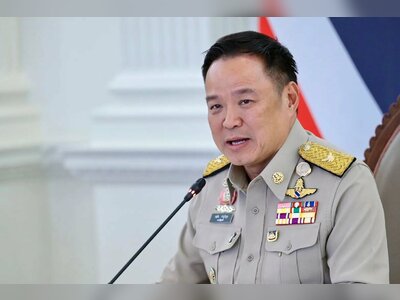
RTA spokesman Major General Winthai Suvaree explained that Cambodian troops fired into Thai-held positions at the pass in Nam Yuen district.
Thai forces retaliated, but Winthai argued the provocations were designed to prompt that response—thereby creating footage of Thai gunfire for observers.
He pointed to a striking alignment between the attacks and the scheduled arrival of the ASEAN Interim Observer Team (IOT).
According to the timeline offered by the RTA:
• At 12:10 p.m., Cambodian forces unleashed heavy machine gun fire at Hill 527 in three volleys of five rounds each, drawing Thai return fire.
• At 12:16 p.m., Cambodian troops opened fire with rifles on Hill 600, prompting further Thai counterfire.
• Between 12:23 and 12:35 p.m., Cambodian units fired three rounds from an unidentified weapon and launched eleven mortar rounds from Chong An Ma toward unspecified targets.
• At 1:00 p.m., Cambodia publicly announced that the IOT would visit Chong An Ma later that afternoon.
• Exactly at 1:15 p.m., Cambodia’s Defence Ministry spokeswoman held a press conference accusing Thailand of aggression, while Cambodia’s Senate president echoed the claim on social media.
• By 1:30 p.m., gunfire had ceased, but forces remained in close confrontation.
Winthai asserted that the tactical alignment of the attack schedule, press events, and observer visit was intentional rather than random.
He accused Cambodia of seeking to portray Thailand as the aggressor in violation of the ceasefire agreement.
To support its claim of Cambodian hostility, the RTA also alleged that Cambodian troops have crossed into Thai territory to plant landmines, causing injuries to Thai soldiers.
The army urged the ASEAN observer team to investigate these demining claims, suggesting they constitute serious violations of the ceasefire accord.
This accusation comes amid continuing tensions along the Thai-Cambodian border over disputed zones and ambiguous territorial demarcation.
Recent clashes have been reported in multiple border sectors, including areas such as Chong Bok and other frontier passes, with both sides regularly exchanging fire and accusations of ceasefire violations.
Thailand and Cambodia remain under pressure to manage the dispute through diplomatic and multilateral mechanisms.
The RTA’s public allegations mark a sharper tone from Bangkok, signaling what it views as deliberate provocation.
An independent inquiry by observers and third parties could play a crucial role in establishing accountability and restoring stability.
The boundary confrontation continues to draw regional attention, especially within ASEAN, as both nations navigate the delicate balance between asserting sovereignty and maintaining regional peace.
The RTA says the sequence of events was too precisely timed to be coincidental.
RTA spokesman Major General Winthai Suvaree explained that Cambodian troops fired into Thai-held positions at the pass in Nam Yuen district.
Thai forces retaliated, but Winthai argued the provocations were designed to prompt that response—thereby creating footage of Thai gunfire for observers.
He pointed to a striking alignment between the attacks and the scheduled arrival of the ASEAN Interim Observer Team (IOT).
According to the timeline offered by the RTA:
• At 12:10 p.m., Cambodian forces unleashed heavy machine gun fire at Hill 527 in three volleys of five rounds each, drawing Thai return fire.
• At 12:16 p.m., Cambodian troops opened fire with rifles on Hill 600, prompting further Thai counterfire.
• Between 12:23 and 12:35 p.m., Cambodian units fired three rounds from an unidentified weapon and launched eleven mortar rounds from Chong An Ma toward unspecified targets.
• At 1:00 p.m., Cambodia publicly announced that the IOT would visit Chong An Ma later that afternoon.
• Exactly at 1:15 p.m., Cambodia’s Defence Ministry spokeswoman held a press conference accusing Thailand of aggression, while Cambodia’s Senate president echoed the claim on social media.
• By 1:30 p.m., gunfire had ceased, but forces remained in close confrontation.
Winthai asserted that the tactical alignment of the attack schedule, press events, and observer visit was intentional rather than random.
He accused Cambodia of seeking to portray Thailand as the aggressor in violation of the ceasefire agreement.
To support its claim of Cambodian hostility, the RTA also alleged that Cambodian troops have crossed into Thai territory to plant landmines, causing injuries to Thai soldiers.
The army urged the ASEAN observer team to investigate these demining claims, suggesting they constitute serious violations of the ceasefire accord.
This accusation comes amid continuing tensions along the Thai-Cambodian border over disputed zones and ambiguous territorial demarcation.
Recent clashes have been reported in multiple border sectors, including areas such as Chong Bok and other frontier passes, with both sides regularly exchanging fire and accusations of ceasefire violations.
Thailand and Cambodia remain under pressure to manage the dispute through diplomatic and multilateral mechanisms.
The RTA’s public allegations mark a sharper tone from Bangkok, signaling what it views as deliberate provocation.
An independent inquiry by observers and third parties could play a crucial role in establishing accountability and restoring stability.
The boundary confrontation continues to draw regional attention, especially within ASEAN, as both nations navigate the delicate balance between asserting sovereignty and maintaining regional peace.