Thai Festival in Taipei Highlights Expanding Cultural and Tourism Ties
Cultural event underscores Thailand–Taiwan people-to-people engagement through food, performances, and tourism promotion initiatives
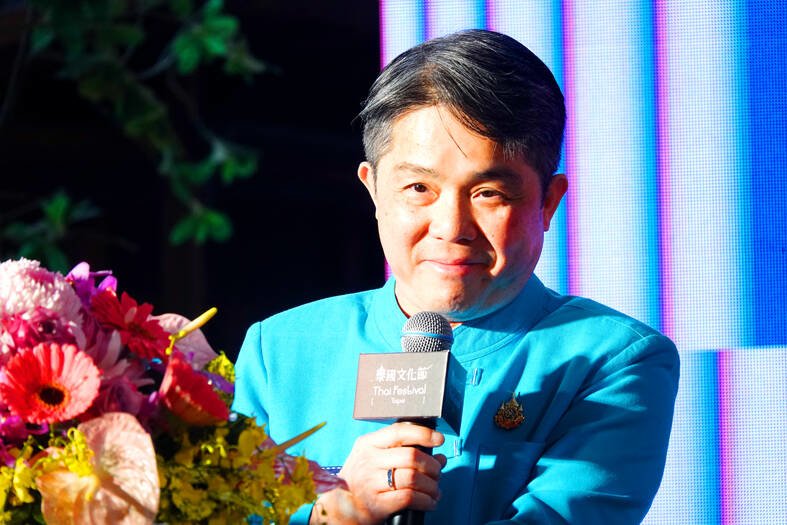
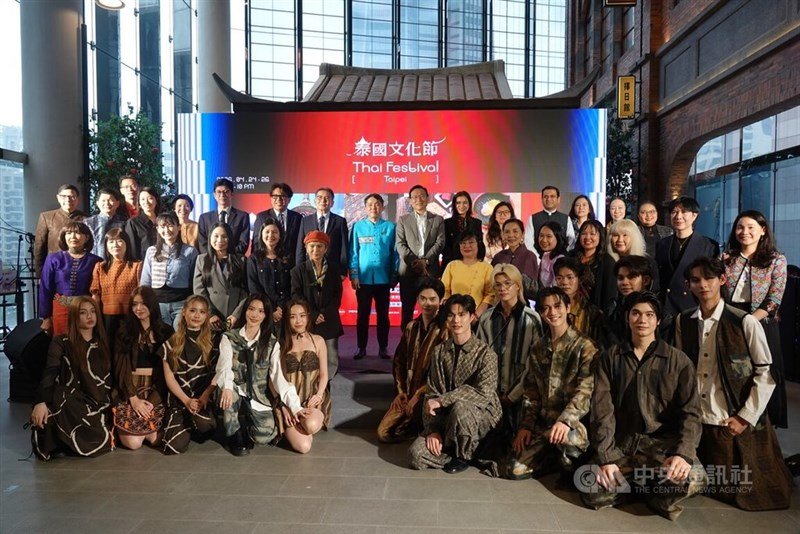
ACTOR-DRIVEN: A Thai cultural festival held in Taipei reflects ongoing efforts by Thai and Taiwanese institutions to strengthen people-to-people ties through cultural exchange, tourism promotion, and soft diplomacy.
The event centers on showcasing Thai culture in a public, accessible format that typically includes food presentations, traditional performances, handicrafts, and tourism information.
Its core function is not political negotiation but cultural engagement, designed to deepen familiarity between populations and support broader travel and economic links.
What is structurally important about events of this type is the coordinated involvement of cultural agencies, tourism bodies, and private sector exhibitors.
Thailand has long used overseas cultural festivals as part of its tourism strategy, positioning cuisine, festivals, and traditional arts as entry points for international visitors.
In parallel, host cities such as Taipei provide platforms that attract local audiences interested in regional culture and travel opportunities.
The mechanism behind the festival is soft power deployment through experiential exposure.
Visitors interact directly with cultural products—such as Thai cuisine preparation, stage performances, and craft demonstrations—while also receiving structured tourism information about destinations, travel routes, and hospitality services in Thailand.
This links cultural appreciation with measurable tourism interest.
The significance of the Taipei setting lies in its established outbound travel market and its existing demand for Southeast Asian destinations.
Cultural events in such locations function as demand-generation tools for tourism industries, especially in regions where short-haul international travel is frequent and commercially important.
Beyond tourism promotion, the festival contributes to long-term institutional relationships between cultural and trade organizations.
These events often serve as recurring platforms where partnerships between tourism boards, airlines, travel agencies, and cultural groups are maintained or expanded.
The broader implication is the continued use of cultural diplomacy as an economic instrument.
Rather than relying solely on advertising or digital campaigns, Thailand’s overseas cultural presence operates through physical engagement, where direct experience is used to influence travel decisions and brand perception.
In practical terms, the outcome of such festivals is measured through increased tourism interest, strengthened bilateral cultural visibility, and the reinforcement of Thailand’s positioning as a regional destination for food, heritage, and experiential travel.
The event centers on showcasing Thai culture in a public, accessible format that typically includes food presentations, traditional performances, handicrafts, and tourism information.
Its core function is not political negotiation but cultural engagement, designed to deepen familiarity between populations and support broader travel and economic links.
What is structurally important about events of this type is the coordinated involvement of cultural agencies, tourism bodies, and private sector exhibitors.
Thailand has long used overseas cultural festivals as part of its tourism strategy, positioning cuisine, festivals, and traditional arts as entry points for international visitors.
In parallel, host cities such as Taipei provide platforms that attract local audiences interested in regional culture and travel opportunities.
The mechanism behind the festival is soft power deployment through experiential exposure.
Visitors interact directly with cultural products—such as Thai cuisine preparation, stage performances, and craft demonstrations—while also receiving structured tourism information about destinations, travel routes, and hospitality services in Thailand.
This links cultural appreciation with measurable tourism interest.
The significance of the Taipei setting lies in its established outbound travel market and its existing demand for Southeast Asian destinations.
Cultural events in such locations function as demand-generation tools for tourism industries, especially in regions where short-haul international travel is frequent and commercially important.
Beyond tourism promotion, the festival contributes to long-term institutional relationships between cultural and trade organizations.
These events often serve as recurring platforms where partnerships between tourism boards, airlines, travel agencies, and cultural groups are maintained or expanded.
The broader implication is the continued use of cultural diplomacy as an economic instrument.
Rather than relying solely on advertising or digital campaigns, Thailand’s overseas cultural presence operates through physical engagement, where direct experience is used to influence travel decisions and brand perception.
In practical terms, the outcome of such festivals is measured through increased tourism interest, strengthened bilateral cultural visibility, and the reinforcement of Thailand’s positioning as a regional destination for food, heritage, and experiential travel.