Thailand Issues Storm Warning as Seasonal System Set to Hit Northern Regions
Authorities prepare for thunderstorms, strong winds, and localized damage as summer weather pattern intensifies
Thailand’s meteorological system is driving a forecast of severe summer storms across the country’s upper regions, with authorities warning of thunderstorms, strong winds, and isolated hazards beginning April 28.
What is confirmed is that the national weather agency has issued alerts covering northern, northeastern, and parts of central Thailand, citing a combination of rising temperatures and incoming cooler air masses as the trigger for unstable atmospheric conditions.
This seasonal pattern is typical for the transition into the monsoon period, but current forecasts indicate a higher likelihood of intense localized storms.
The mechanism behind these storms is well established.
Hot air accumulating over land during peak daytime temperatures creates instability when it meets cooler air from the south or southwest.
This interaction generates rapid cloud formation, leading to thunderstorms that can produce heavy rain, lightning, and sudden gusts of wind.
In some cases, hail and brief but intense downpours are also possible.
The areas most exposed include agricultural zones and semi-urban regions where infrastructure is less resilient to sudden weather shifts.
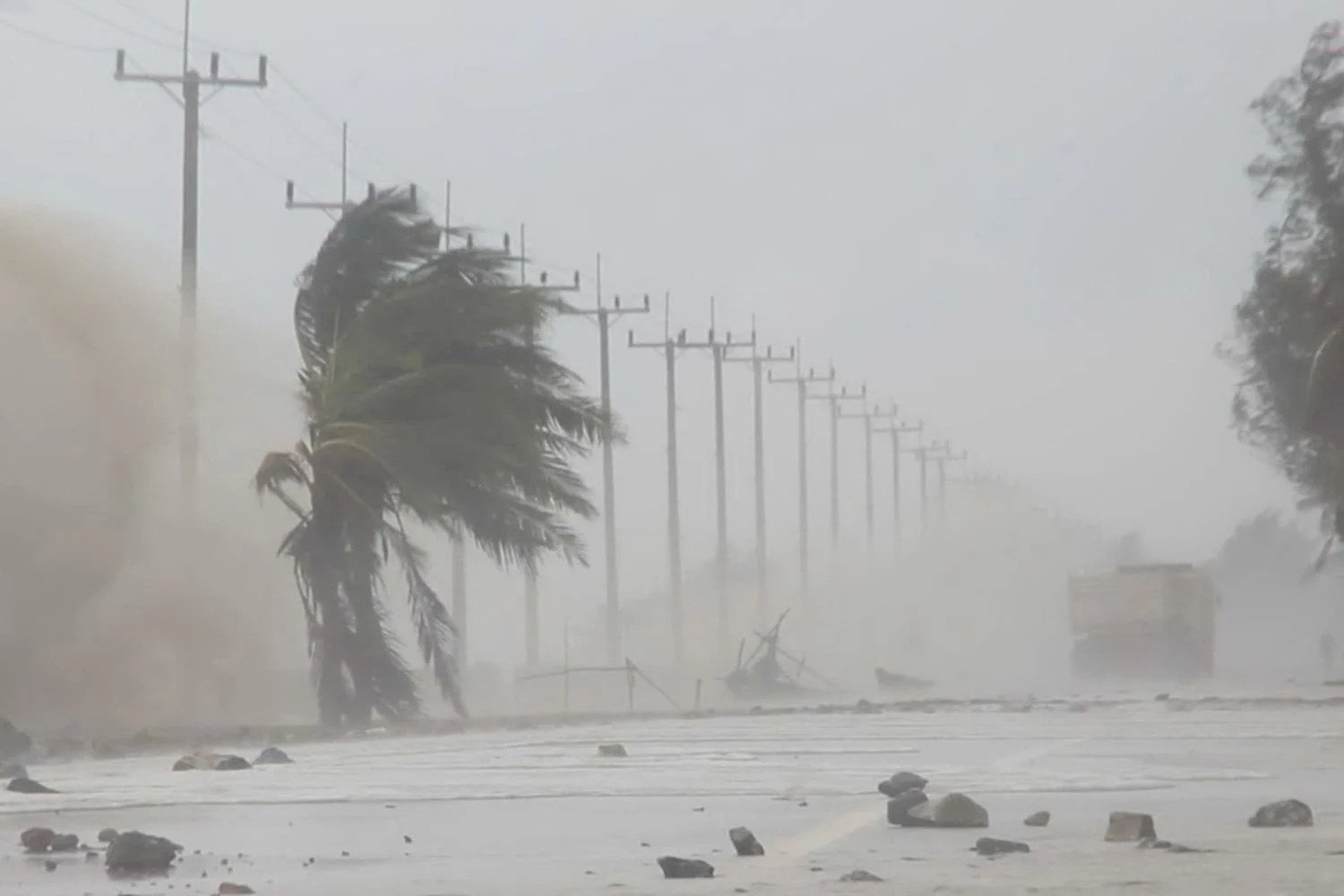
Strong winds pose a direct risk to temporary structures, signage, and power lines, while heavy rainfall can trigger flash flooding in low-lying areas.
Farmers are particularly vulnerable, as crops at certain growth stages can be damaged within minutes by high winds or hail.
Authorities have advised residents to secure outdoor property, avoid open areas during storms, and monitor official updates as conditions develop.
Transport disruptions are also a concern, particularly for road travel in regions prone to poor drainage or reduced visibility during heavy rain.
This weather pattern carries broader implications beyond immediate safety.
Seasonal storms play a role in replenishing water reservoirs ahead of the main rainy season, but uneven distribution of rainfall can complicate water management.
Early storms that are intense but short-lived may not significantly improve long-term water availability, while still causing localized damage.
The timing is significant for Thailand’s economy.
The agricultural sector is entering a sensitive phase for several crops, and weather volatility can directly affect yields and pricing.
In parallel, domestic travel activity can be disrupted during peak holiday periods if storm conditions intensify as forecast.
The current warning reflects a transition phase in Thailand’s climate cycle, where heat-driven instability begins to give way to more sustained monsoon conditions.
Authorities are maintaining close monitoring as the system develops, with emergency response units on standby in high-risk areas.
With storm activity expected to intensify from April 28 across upper Thailand, precautionary measures and localized response planning are now active to mitigate damage and maintain public safety.
What is confirmed is that the national weather agency has issued alerts covering northern, northeastern, and parts of central Thailand, citing a combination of rising temperatures and incoming cooler air masses as the trigger for unstable atmospheric conditions.
This seasonal pattern is typical for the transition into the monsoon period, but current forecasts indicate a higher likelihood of intense localized storms.
The mechanism behind these storms is well established.
Hot air accumulating over land during peak daytime temperatures creates instability when it meets cooler air from the south or southwest.
This interaction generates rapid cloud formation, leading to thunderstorms that can produce heavy rain, lightning, and sudden gusts of wind.
In some cases, hail and brief but intense downpours are also possible.
The areas most exposed include agricultural zones and semi-urban regions where infrastructure is less resilient to sudden weather shifts.
Strong winds pose a direct risk to temporary structures, signage, and power lines, while heavy rainfall can trigger flash flooding in low-lying areas.
Farmers are particularly vulnerable, as crops at certain growth stages can be damaged within minutes by high winds or hail.
Authorities have advised residents to secure outdoor property, avoid open areas during storms, and monitor official updates as conditions develop.
Transport disruptions are also a concern, particularly for road travel in regions prone to poor drainage or reduced visibility during heavy rain.
This weather pattern carries broader implications beyond immediate safety.
Seasonal storms play a role in replenishing water reservoirs ahead of the main rainy season, but uneven distribution of rainfall can complicate water management.
Early storms that are intense but short-lived may not significantly improve long-term water availability, while still causing localized damage.
The timing is significant for Thailand’s economy.
The agricultural sector is entering a sensitive phase for several crops, and weather volatility can directly affect yields and pricing.
In parallel, domestic travel activity can be disrupted during peak holiday periods if storm conditions intensify as forecast.
The current warning reflects a transition phase in Thailand’s climate cycle, where heat-driven instability begins to give way to more sustained monsoon conditions.
Authorities are maintaining close monitoring as the system develops, with emergency response units on standby in high-risk areas.
With storm activity expected to intensify from April 28 across upper Thailand, precautionary measures and localized response planning are now active to mitigate damage and maintain public safety.