Thai military accuses Cambodian de-mining authority of distorting mine evidence, warns of regional fallout
Army spokesman rejects Cambodian Mine Action Centre claims as “false”; urges transparency and cautions against border escalation
The spokesman for the Royal Thai Army (RTA) has sharply condemned recent statements by the Cambodian Mine Action and Victim Assistance Authority (CMAA) and the Cambodian Mine Action Centre (CMAC), calling their evidence “distorted” and warning the claims could inflame tensions along the Thai-Cambodia border.
The dispute arises from allegations that Thai forces planted new antipersonnel mines — a charge the Thai army rejects and now counters decisively.
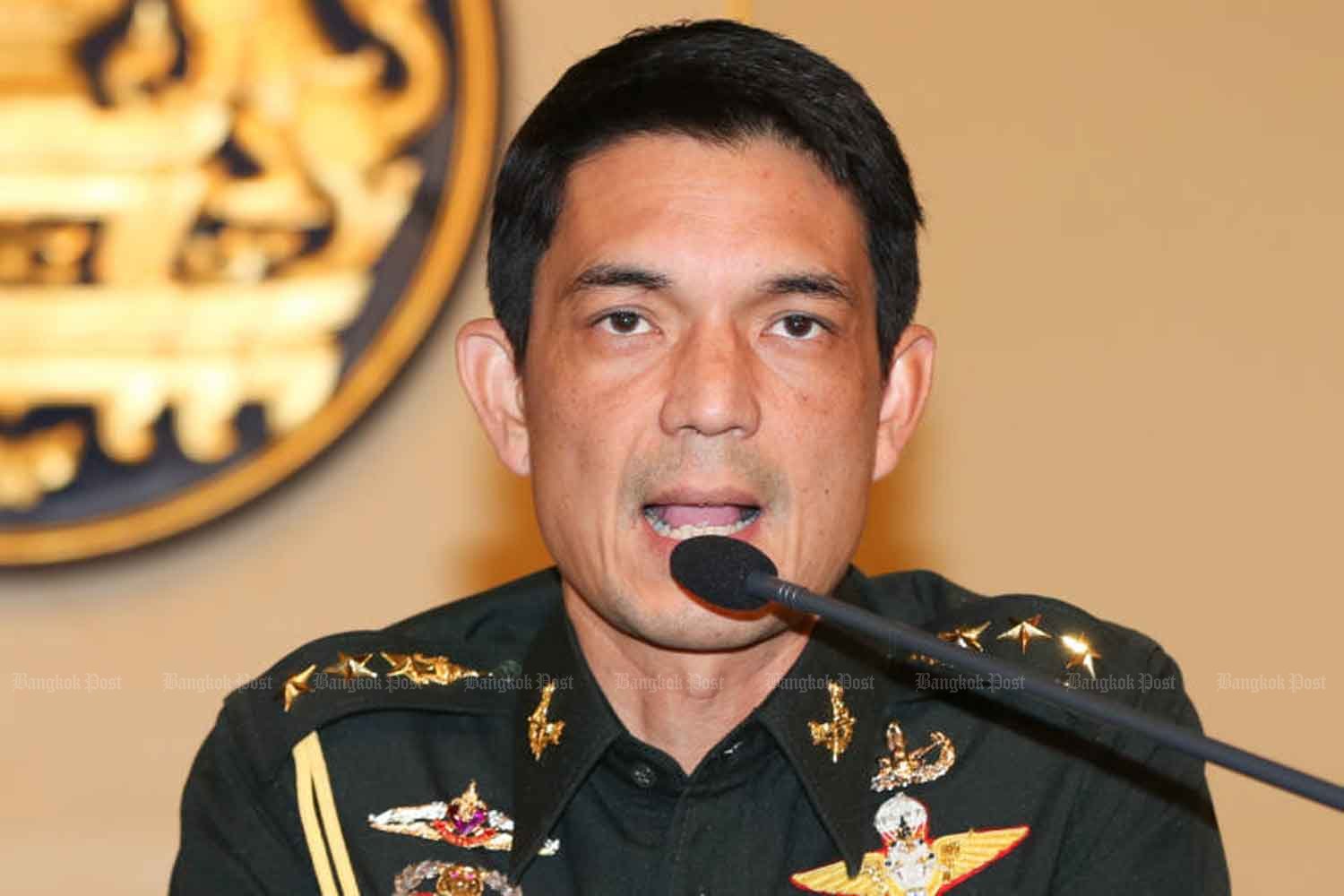
Maj Gen Winthai Suvaree, RTA spokesman, said Cambodia’s presentation of photos and video footage — apparently aimed at proving that mines displayed by Thailand were old or unused — selectively omitted key evidence.
He asserted that Thai clearance units discovered both deployed and undeployed PMN-2 mines during August operations in a border area once held by Cambodian troops.
Those mines were displayed to a delegation of diplomats and journalists.
According to Winthai, CMAC director-general Heng Ratana deliberately excluded images of deployed mines, showing only those with safety pins intact, thus misleading observers about their origin and operational status.
The army emphasised that PMN-2 mines are not part of its arsenal — they have never been procured, stored, or used by Thai forces.
Thai officials argue that the mines found could not have originated from the Thai side, while Cambodia lacks credible evidence to refute the findings.
Meanwhile, Cambodian authorities, through both CMAC and the Ministry of Defence, maintain they have not planted new mines.
Phnom Penh insists the border remains contaminated with legacy explosives dating from previous conflicts, and that recent Thai soldiers’ injuries stem from these remnants rather than fresh deployments.
The renewed exchange threatens to inflame an already volatile situation.
Thai military leaders warn that continued propagation of what they call “false information” by Cambodian agencies may undermine prospects for border stability and endanger efforts to de-escalate.
They call for transparent, impartial investigation and cooperation under relevant international mine-ban and border-management frameworks.
The outcome may shape not only bilateral relations but also regional stability if the technical dispute is not resolved soon.
The dispute arises from allegations that Thai forces planted new antipersonnel mines — a charge the Thai army rejects and now counters decisively.
Maj Gen Winthai Suvaree, RTA spokesman, said Cambodia’s presentation of photos and video footage — apparently aimed at proving that mines displayed by Thailand were old or unused — selectively omitted key evidence.
He asserted that Thai clearance units discovered both deployed and undeployed PMN-2 mines during August operations in a border area once held by Cambodian troops.
Those mines were displayed to a delegation of diplomats and journalists.
According to Winthai, CMAC director-general Heng Ratana deliberately excluded images of deployed mines, showing only those with safety pins intact, thus misleading observers about their origin and operational status.
The army emphasised that PMN-2 mines are not part of its arsenal — they have never been procured, stored, or used by Thai forces.
Thai officials argue that the mines found could not have originated from the Thai side, while Cambodia lacks credible evidence to refute the findings.
Meanwhile, Cambodian authorities, through both CMAC and the Ministry of Defence, maintain they have not planted new mines.
Phnom Penh insists the border remains contaminated with legacy explosives dating from previous conflicts, and that recent Thai soldiers’ injuries stem from these remnants rather than fresh deployments.
The renewed exchange threatens to inflame an already volatile situation.
Thai military leaders warn that continued propagation of what they call “false information” by Cambodian agencies may undermine prospects for border stability and endanger efforts to de-escalate.
They call for transparent, impartial investigation and cooperation under relevant international mine-ban and border-management frameworks.
The outcome may shape not only bilateral relations but also regional stability if the technical dispute is not resolved soon.