Thailand’s FoodTech Sector Booms as Startups Push Superfoods, Plant-Based Milks and Future Foods
Accelerated by government backing and consumer demand, Thai food-tech firms expand fast into plant-based and healthy-food markets
Thailand’s food-technology and alternative-food sector is undergoing rapid expansion, with domestic startups turning local ingredients into innovative products — from freeze-dried sticky-rice snacks to plant-based milks and meat substitutes — as the country seeks to cement its reputation as the “Kitchen of the World.”
A recent report by the national innovation agency highlights strengths such as Thailand’s deep agricultural talent pool, strong supply-chain infrastructure and growing appetite for healthier, more sustainable diets.
It paints a picture of a food-tech ecosystem coming of age, supported by both public policy and consumer trends.
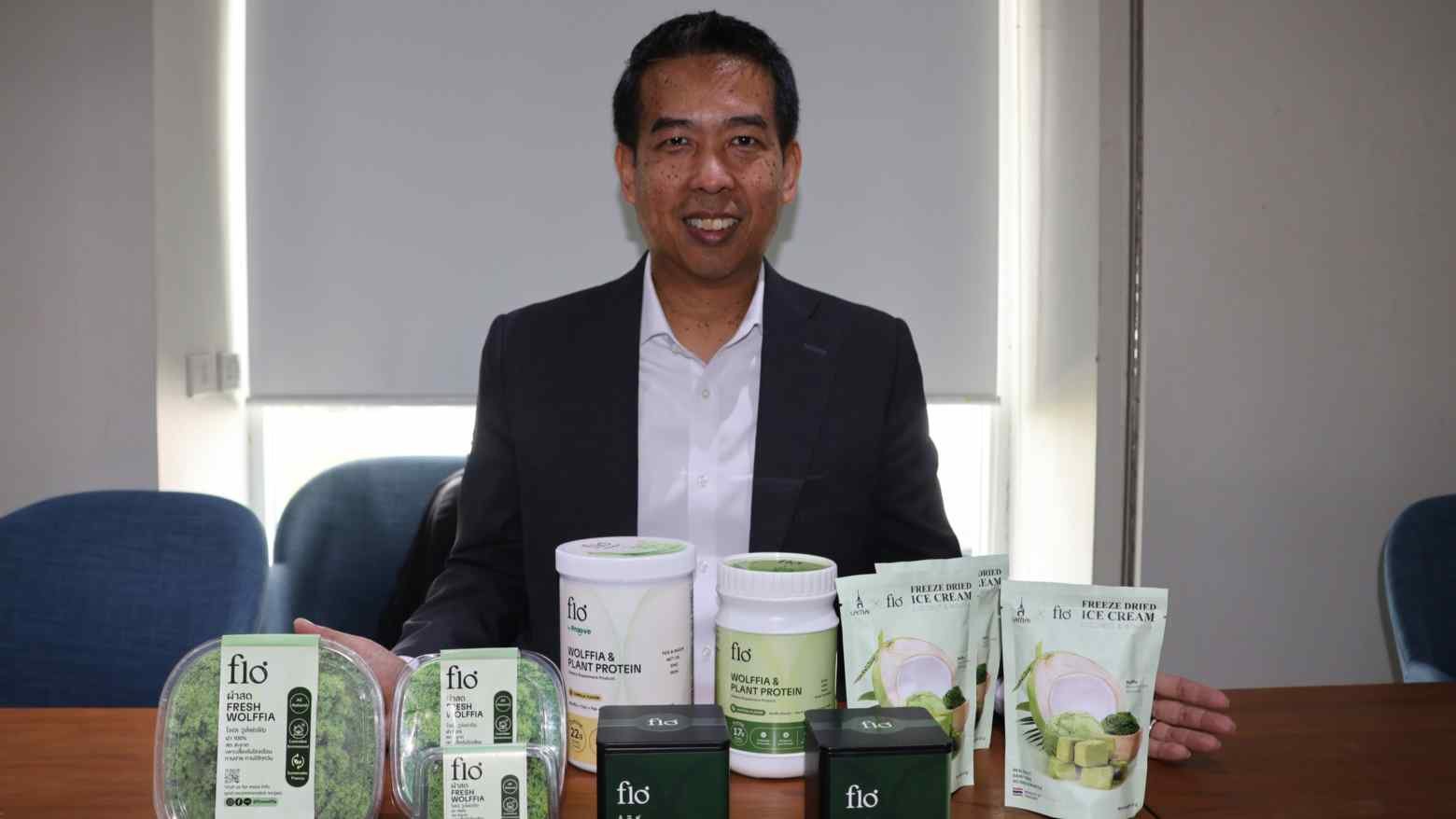
Among the early success stories are firms transforming traditional Thai staples — coconut, tamarind and tropical fruits — into modern products designed for both local wellness-oriented consumers and export markets.
These include low-sugar coconut-nectar gummies, ready-to-use tamarind concentrates and freeze-dried mango-sticky-rice desserts.
Simultaneously, a number of startups are advancing plant-based dairy and protein alternatives.
Innovators are developing plant-based milks, nut-based cheeses, and even plant-based ice cream that promises creamy texture with lower sugar and no cholesterol.
These products respond to growing dietary demand, including for lactose-free, vegan or health-conscious options.
The government has played an active role: a national “Future Food” strategy — backed by the investment promotion board — gives incentives to food-tech ventures, lab-grown protein research and sustainable agriculture.
The support aims to transform Thailand’s food industry from commodity-based exports to high-value, innovation-driven products with global appeal.
Academic institutions, industry leaders and private investors are also joining programmes designed to incubate and accelerate food-tech startups.
At the latest Demo Day under a national accelerator scheme, nine new ventures showcased innovations ranging from seaweed-derived protein and low-GI rice for keto diets to AI-driven flavour engineering and sustainable packaging solutions.
Market data shows this surge is more than just hype.
Demand for plant-based milk and alternative proteins is rising steadily, as urban Thai consumers increasingly embrace diets focused on health, sustainability and convenience.
Many entrepreneurs say they aim to serve both domestic and export customers — leveraging Thailand’s abundant agricultural resources and modern manufacturing capacity.
For these food-tech entrepreneurs, the goal is ambitious yet clear: to reposition Thailand as a global hub for future foods.
If the current momentum continues, their work could transform not only what Thais eat — but also how the country participates in the global food economy, blending tradition with modern innovation.
A recent report by the national innovation agency highlights strengths such as Thailand’s deep agricultural talent pool, strong supply-chain infrastructure and growing appetite for healthier, more sustainable diets.
It paints a picture of a food-tech ecosystem coming of age, supported by both public policy and consumer trends.
Among the early success stories are firms transforming traditional Thai staples — coconut, tamarind and tropical fruits — into modern products designed for both local wellness-oriented consumers and export markets.
These include low-sugar coconut-nectar gummies, ready-to-use tamarind concentrates and freeze-dried mango-sticky-rice desserts.
Simultaneously, a number of startups are advancing plant-based dairy and protein alternatives.
Innovators are developing plant-based milks, nut-based cheeses, and even plant-based ice cream that promises creamy texture with lower sugar and no cholesterol.
These products respond to growing dietary demand, including for lactose-free, vegan or health-conscious options.
The government has played an active role: a national “Future Food” strategy — backed by the investment promotion board — gives incentives to food-tech ventures, lab-grown protein research and sustainable agriculture.
The support aims to transform Thailand’s food industry from commodity-based exports to high-value, innovation-driven products with global appeal.
Academic institutions, industry leaders and private investors are also joining programmes designed to incubate and accelerate food-tech startups.
At the latest Demo Day under a national accelerator scheme, nine new ventures showcased innovations ranging from seaweed-derived protein and low-GI rice for keto diets to AI-driven flavour engineering and sustainable packaging solutions.
Market data shows this surge is more than just hype.
Demand for plant-based milk and alternative proteins is rising steadily, as urban Thai consumers increasingly embrace diets focused on health, sustainability and convenience.
Many entrepreneurs say they aim to serve both domestic and export customers — leveraging Thailand’s abundant agricultural resources and modern manufacturing capacity.
For these food-tech entrepreneurs, the goal is ambitious yet clear: to reposition Thailand as a global hub for future foods.
If the current momentum continues, their work could transform not only what Thais eat — but also how the country participates in the global food economy, blending tradition with modern innovation.