Thai Tuna Industry Urges Rapid Completion of EU-Thailand Free-Trade Agreement
Industry body says deal would strengthen sustainability, boost investment and modernise Thai tuna fleet amid EU talks
The Thai Tuna Industry Association (TTIA) is calling on negotiators in both Thailand and the European Union to accelerate work on a free-trade agreement (FTA) that includes the Thai tuna sector.
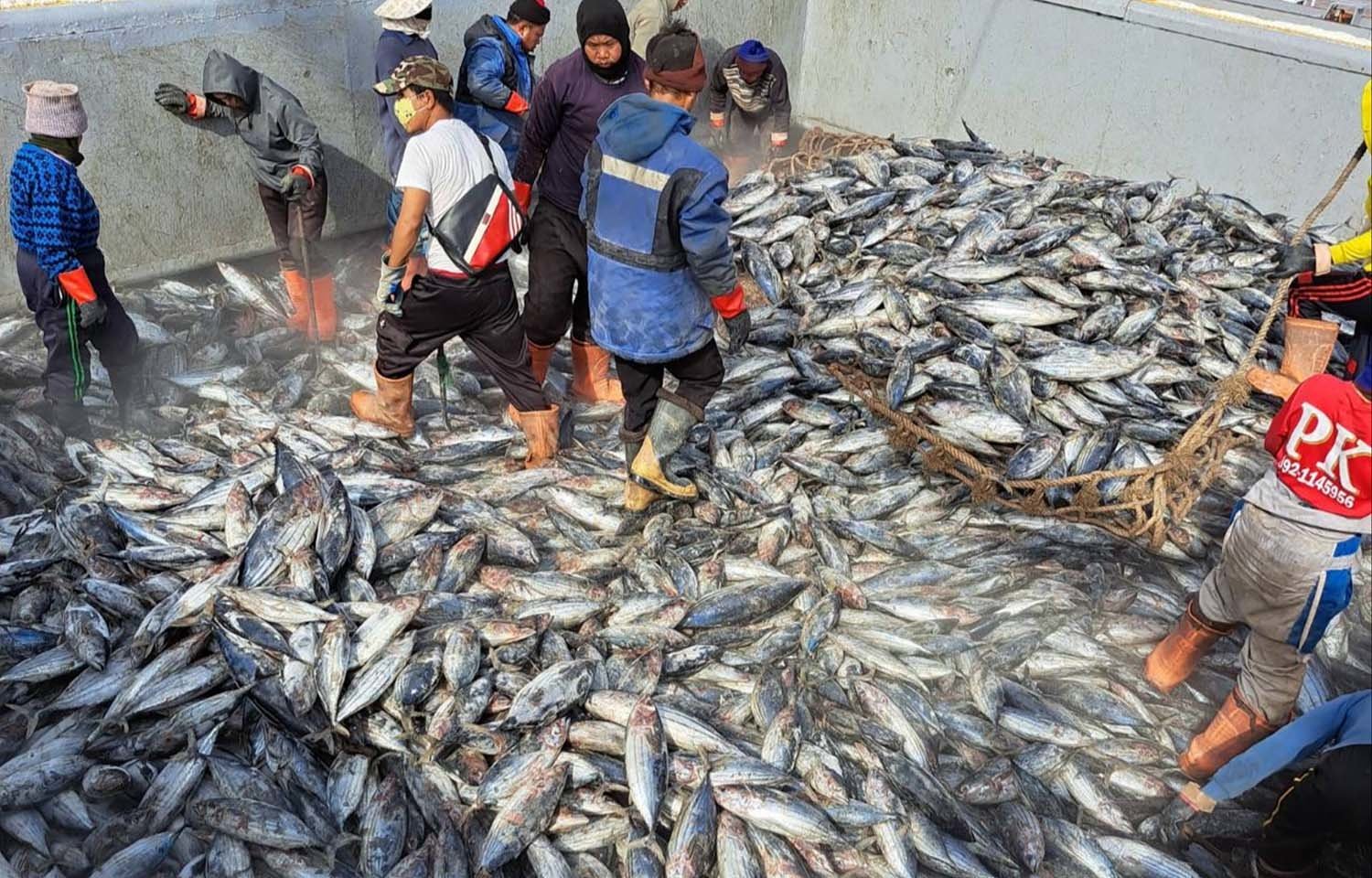
The association argues that such a deal would help reinforce sustainable seafood supply-chains, protect jobs in both regions and modernise Thailand’s tuna-fishing fleet.
TTIA President Chanintr Chalisarapong stated that “the EU-Thailand FTA is more than a trade agreement… it aligns open markets with high standards on sustainability, traceability and labour, creating shared value for workers, producers and consumers.” The association notes that the vast majority of the Thai tuna-processing sector already operates under EU-style standards in areas such as traceability and transparency.
In a white-paper, TTIA highlights that other major tuna-supplier countries — including Papua New Guinea, Indonesia, Ecuador and China — already benefit from trade deals with the EU that incorporate tuna products.
Extending equivalent access to Thailand would, the paper argues, reinforce the EU’s reputation for consistent, fair external-trade policy and foster a level playing field.
However, industry representatives in Europe, notably the fishing-sector federation Europêche, have raised concerns that liberalising Thai tuna access could threaten EU processing jobs and fleets.
They argue that Thailand’s labour-and-environment standards still lag EU norms and warn of over-capacity if tariffs are removed.
TTIA maintains that Thailand’s tuna sector already meets the EU’s food-safety, quality and traceability requirements.
“Only establishments authorised by the European Commission can export to the EU, and every consignment is subject to strict official controls,” the white-paper states.
The association urges policymakers to seize the opportunity to deliver an agreement that reflects shared interests and promotes sustainable trade, rather than one-sided gains.
With the EU-Thailand FTA negotiations advancing this year, the tuna industry’s fresh public push underscores how specific sectors are seeking to leverage the deal for investment in digital traceability, fleet modernisation and certification systems.
If achieved, the FTA would be a milestone for Thailand’s seafood industry — signalling deeper integration with a major trading bloc while aligning free-trade liberalisation with sustainability and high standards of governance.
The association argues that such a deal would help reinforce sustainable seafood supply-chains, protect jobs in both regions and modernise Thailand’s tuna-fishing fleet.
TTIA President Chanintr Chalisarapong stated that “the EU-Thailand FTA is more than a trade agreement… it aligns open markets with high standards on sustainability, traceability and labour, creating shared value for workers, producers and consumers.” The association notes that the vast majority of the Thai tuna-processing sector already operates under EU-style standards in areas such as traceability and transparency.
In a white-paper, TTIA highlights that other major tuna-supplier countries — including Papua New Guinea, Indonesia, Ecuador and China — already benefit from trade deals with the EU that incorporate tuna products.
Extending equivalent access to Thailand would, the paper argues, reinforce the EU’s reputation for consistent, fair external-trade policy and foster a level playing field.
However, industry representatives in Europe, notably the fishing-sector federation Europêche, have raised concerns that liberalising Thai tuna access could threaten EU processing jobs and fleets.
They argue that Thailand’s labour-and-environment standards still lag EU norms and warn of over-capacity if tariffs are removed.
TTIA maintains that Thailand’s tuna sector already meets the EU’s food-safety, quality and traceability requirements.
“Only establishments authorised by the European Commission can export to the EU, and every consignment is subject to strict official controls,” the white-paper states.
The association urges policymakers to seize the opportunity to deliver an agreement that reflects shared interests and promotes sustainable trade, rather than one-sided gains.
With the EU-Thailand FTA negotiations advancing this year, the tuna industry’s fresh public push underscores how specific sectors are seeking to leverage the deal for investment in digital traceability, fleet modernisation and certification systems.
If achieved, the FTA would be a milestone for Thailand’s seafood industry — signalling deeper integration with a major trading bloc while aligning free-trade liberalisation with sustainability and high standards of governance.