
Thailand Accelerates Drone and Air-Taxi Revolution with New Regulatory Framework
Thailand is preparing for a major transformation in its aviation and logistics sectors as the Civil Aviation Authority of Thailand (CAAT) unveils plans covering drones and air-taxi services that could redefine transport infrastructure. The regulator projects the number of drones in the country will exceed one million units, up dramatically from the 27,822 registered by 2024, and positions drones as a key growth area in logistics, agriculture, surveying and passenger transport.
CAAT is drafting the country’s first dedicated “Drone Act”, designed to set out safety, commercial-use and air-traffic rules for unmanned aerial systems (UAS). The legislation is expected by 2026 and will introduce a national Drone Master Plan covering policy, infrastructure, workforce development, air-traffic management and privacy protection.
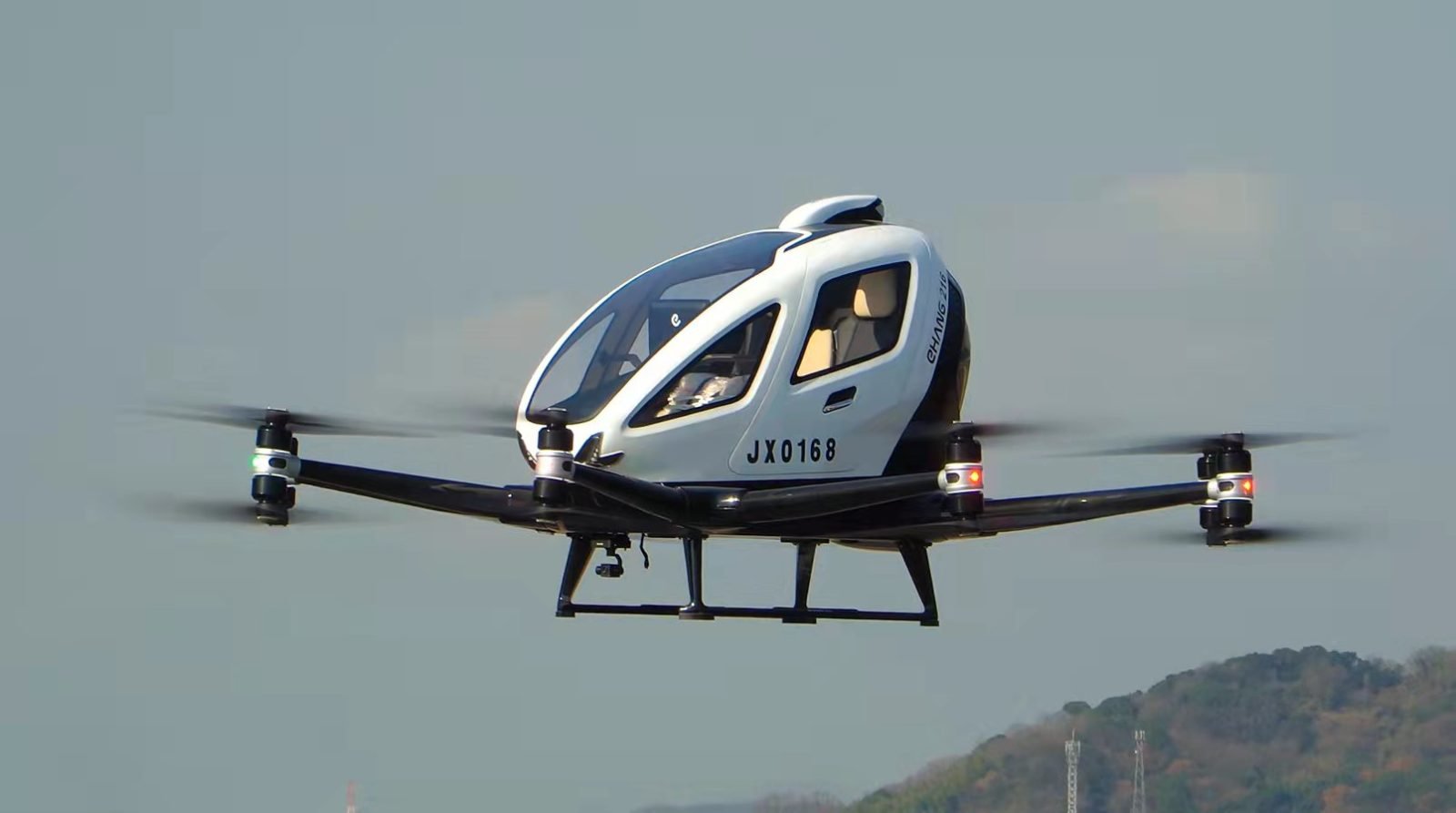
In parallel, Thailand is advancing into Urban Air Mobility (UAM). Through a “sandbox” regulatory regime, CAAT has enabled demonstration flights of the eVTOL (electric vertical take-off and landing) aircraft EH216‑S developed by EHang Holdings Limited — the first pilotless air taxi to carry passengers in Thailand. These trials, conducted under CAAT oversight in Bangkok, are being extended to key tourist destinations including Phuket, Koh Samui, Koh Phangan and Pattaya under the banner of next-generation air travel.
Drone regulations issued by CAAT in September 2025 now allow nationwide use of drones subject to registration, advance flight-plan submission and time-of-day restrictions, while banning flights in sensitive zones such as five border provinces and airport-proximity areas. The registered-drone surge indicates strong market demand and regulatory acceptance for commercial UAS.
The combined drone-and-air-taxi framework signals Thailand’s ambition to become a regional pioneer in smart transport. By aligning drone operations, low-altitude airspace management and passenger eVTOL services, the country is laying the foundation for a future where aerial mobility complements ground infrastructure. Key challenges remain — urban flight-zones, unmanned-traffic-management systems, and public safety and privacy standards — but the regulatory momentum is clear and forward-looking.
Thailand’s proactive stance on drone law-making and UAM trials underscores the government’s leadership in smart-mobility innovation, positioning the nation to reap not only the economic benefits of an emerging aerial-mobility market but also to deliver new connectivity and logistic efficiencies for its urban and island geographies.