Thailand Accelerates Energy and Fertiliser Procurement Amid Strait of Hormuz Disruption
Government acts swiftly to secure vital supplies as global shipping bottleneck raises concerns over fuel and agricultural stability
Thailand has moved decisively to secure additional oil and fertiliser supplies as disruptions in the Strait of Hormuz threaten global energy flows and agricultural inputs, prompting urgent contingency measures across key sectors.
Officials have initiated accelerated procurement efforts to ensure sufficient reserves, reflecting a proactive response to one of the world’s most strategically significant maritime chokepoints remaining effectively closed.
The Strait of Hormuz, a critical artery for global oil shipments, handles a substantial share of the world’s crude exports, making any prolonged disruption a major concern for energy-importing nations.
Thailand’s response underscores its commitment to safeguarding economic stability and supporting domestic industries, particularly agriculture, which depends heavily on imported fertilisers.
Authorities have prioritised securing alternative supply routes and engaging with multiple trading partners to mitigate risks associated with constrained shipping lanes.
Energy planners are closely monitoring global market volatility as oil prices show upward pressure amid tightening supply conditions.
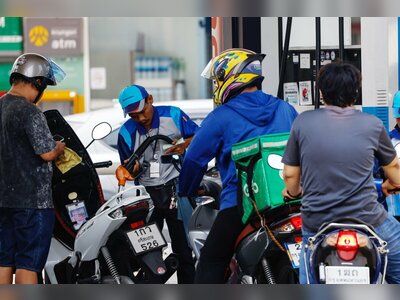
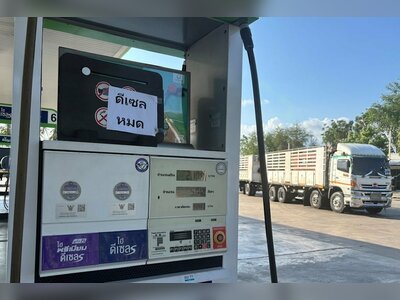
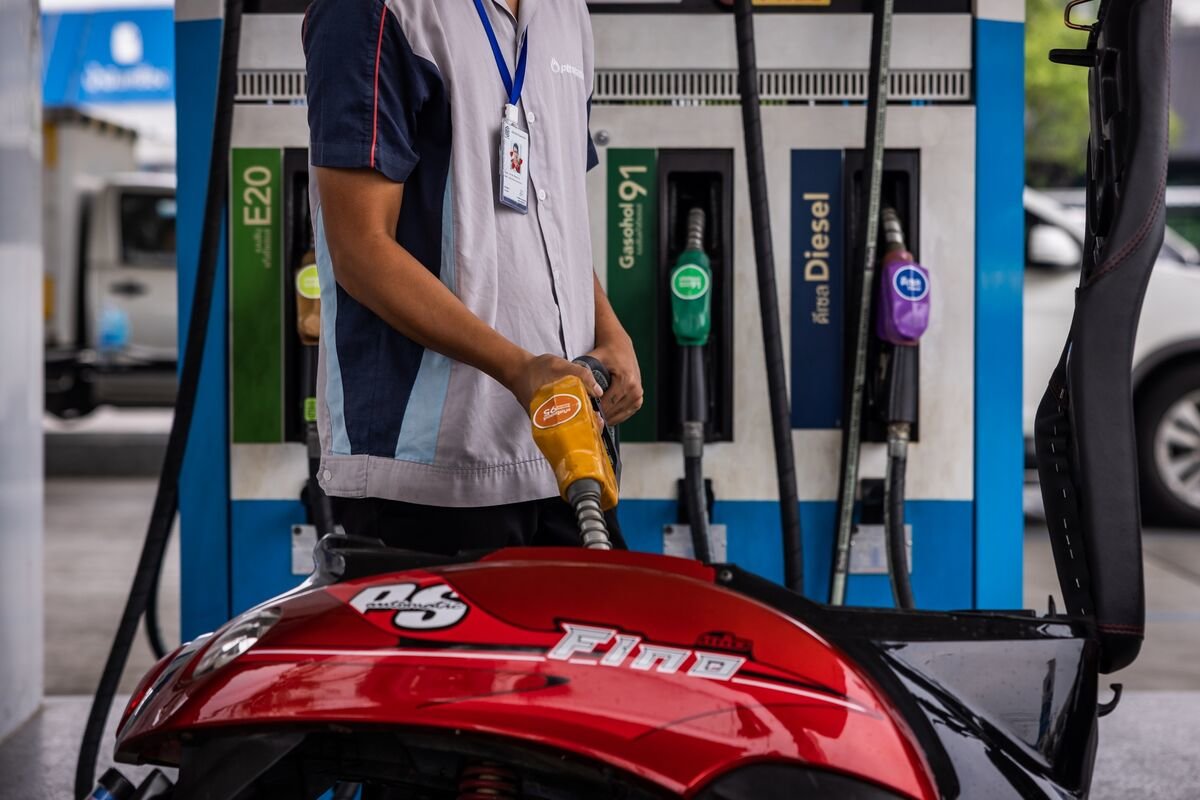
The government has indicated that strategic reserves and diversified sourcing will play a central role in maintaining price stability and ensuring uninterrupted fuel availability for consumers and businesses.
At the same time, the fertiliser supply chain has come under heightened scrutiny.
With agricultural production a cornerstone of Thailand’s economy, ensuring timely access to inputs is seen as essential to protecting crop yields and rural livelihoods.
Officials have emphasised that early action will help prevent shortages during critical planting periods.
The situation highlights the broader vulnerability of global supply chains to geopolitical disruptions, particularly in regions central to energy transport.
Thailand’s rapid mobilisation reflects both the scale of the challenge and the country’s capacity to respond with coordinated policy measures.
Authorities have signalled continued vigilance and readiness to implement further measures if conditions persist, reinforcing a strategy aimed at resilience and long-term supply security in the face of evolving global uncertainties.
Officials have initiated accelerated procurement efforts to ensure sufficient reserves, reflecting a proactive response to one of the world’s most strategically significant maritime chokepoints remaining effectively closed.
The Strait of Hormuz, a critical artery for global oil shipments, handles a substantial share of the world’s crude exports, making any prolonged disruption a major concern for energy-importing nations.
Thailand’s response underscores its commitment to safeguarding economic stability and supporting domestic industries, particularly agriculture, which depends heavily on imported fertilisers.
Authorities have prioritised securing alternative supply routes and engaging with multiple trading partners to mitigate risks associated with constrained shipping lanes.
Energy planners are closely monitoring global market volatility as oil prices show upward pressure amid tightening supply conditions.
The government has indicated that strategic reserves and diversified sourcing will play a central role in maintaining price stability and ensuring uninterrupted fuel availability for consumers and businesses.
At the same time, the fertiliser supply chain has come under heightened scrutiny.
With agricultural production a cornerstone of Thailand’s economy, ensuring timely access to inputs is seen as essential to protecting crop yields and rural livelihoods.
Officials have emphasised that early action will help prevent shortages during critical planting periods.
The situation highlights the broader vulnerability of global supply chains to geopolitical disruptions, particularly in regions central to energy transport.
Thailand’s rapid mobilisation reflects both the scale of the challenge and the country’s capacity to respond with coordinated policy measures.
Authorities have signalled continued vigilance and readiness to implement further measures if conditions persist, reinforcing a strategy aimed at resilience and long-term supply security in the face of evolving global uncertainties.