Thailand Considers Raising Debt Ceiling as Energy Crisis Intensifies Fiscal Pressure
Government weighs expanding borrowing limits to manage oil shock and protect economic stability amid rising global prices
Thailand is considering raising its public debt ceiling as a severe energy shock linked to Middle Eastern tensions drives up oil prices and places increasing strain on the country’s fiscal position.
The government is evaluating options to expand its current borrowing limit, which stands near a self-imposed threshold of around seventy percent of gross domestic product, as higher energy costs ripple through the economy.
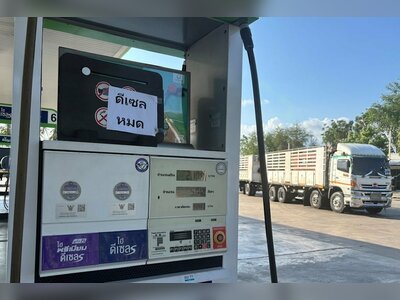
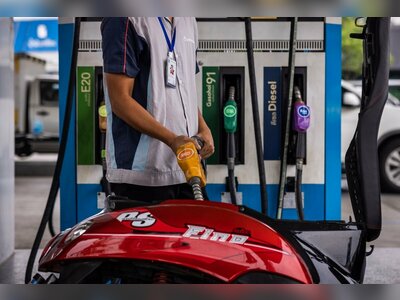
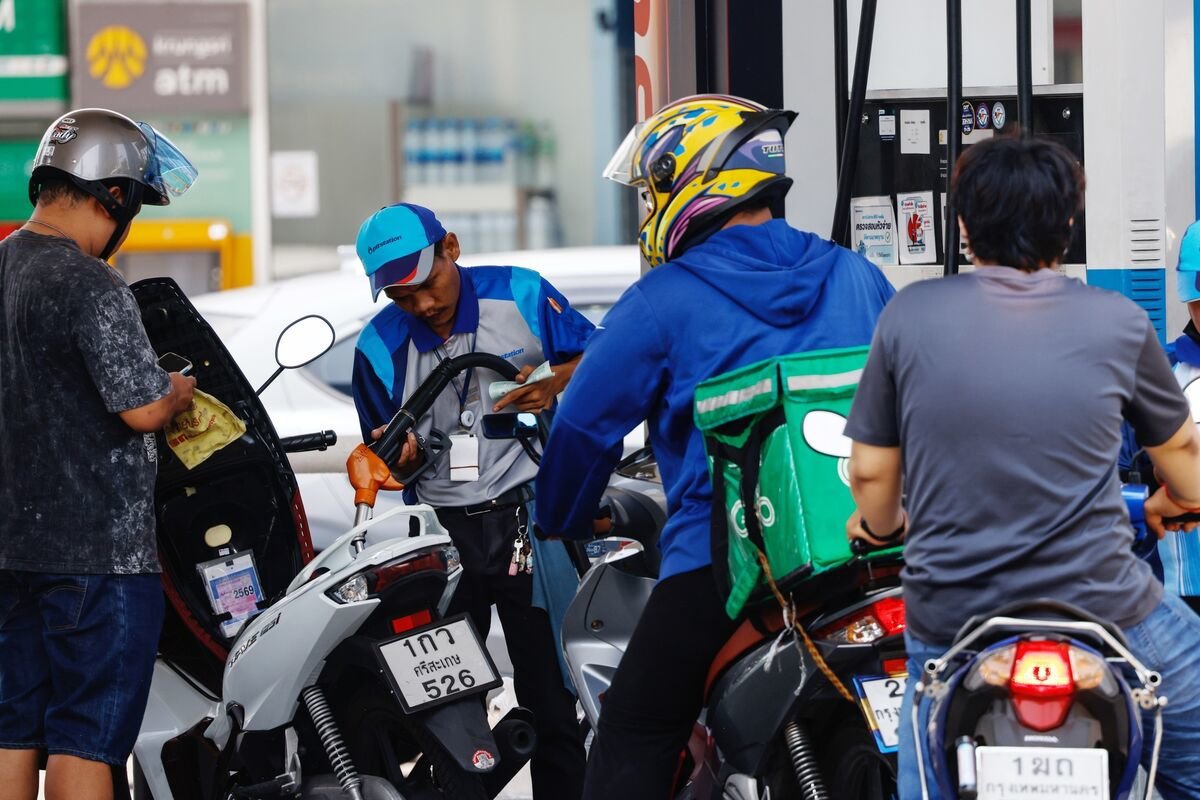
The surge in global oil prices has significantly increased import expenses for Thailand, a country heavily dependent on external energy supplies.
Officials are weighing the move as part of a broader strategy to maintain economic stability, support households and sustain key industries during a period of heightened global volatility.
The energy shock has already prompted a range of interventions, including price management measures and targeted subsidies, which have added pressure to public finances.
Economic assessments indicate that Thailand’s fiscal space is tightening as debt levels approach the existing ceiling, limiting the government’s ability to deploy further stimulus without adjusting its borrowing framework.
Analysts note that raising the cap could unlock additional resources for infrastructure investment, energy support schemes and broader economic resilience measures.
The urgency of the discussion has been reinforced by the sharp rise in oil prices following disruptions in Middle Eastern supply routes, including those passing through critical maritime chokepoints.
Thailand sources a substantial portion of its energy from the region, making it particularly exposed to prolonged instability.
([Thai Examiner][1])
At the same time, policymakers are seeking to balance fiscal flexibility with long-term sustainability.
Proposals under consideration include expanding the debt ceiling to create additional budgetary space while ensuring that new borrowing is directed toward productive investments and essential support programmes.
Thailand’s leadership has emphasised a steady and proactive approach, prioritising energy security, economic resilience and investor confidence.
By carefully calibrating fiscal policy in response to external shocks, authorities aim to safeguard growth while maintaining strong financial credibility.
The potential adjustment of the debt ceiling reflects a broader effort to navigate an increasingly complex global environment, where geopolitical developments are exerting direct influence on domestic economic policy and financial planning.
The government is evaluating options to expand its current borrowing limit, which stands near a self-imposed threshold of around seventy percent of gross domestic product, as higher energy costs ripple through the economy.
The surge in global oil prices has significantly increased import expenses for Thailand, a country heavily dependent on external energy supplies.
Officials are weighing the move as part of a broader strategy to maintain economic stability, support households and sustain key industries during a period of heightened global volatility.
The energy shock has already prompted a range of interventions, including price management measures and targeted subsidies, which have added pressure to public finances.
Economic assessments indicate that Thailand’s fiscal space is tightening as debt levels approach the existing ceiling, limiting the government’s ability to deploy further stimulus without adjusting its borrowing framework.
Analysts note that raising the cap could unlock additional resources for infrastructure investment, energy support schemes and broader economic resilience measures.
The urgency of the discussion has been reinforced by the sharp rise in oil prices following disruptions in Middle Eastern supply routes, including those passing through critical maritime chokepoints.
Thailand sources a substantial portion of its energy from the region, making it particularly exposed to prolonged instability.
([Thai Examiner][1])
At the same time, policymakers are seeking to balance fiscal flexibility with long-term sustainability.
Proposals under consideration include expanding the debt ceiling to create additional budgetary space while ensuring that new borrowing is directed toward productive investments and essential support programmes.
Thailand’s leadership has emphasised a steady and proactive approach, prioritising energy security, economic resilience and investor confidence.
By carefully calibrating fiscal policy in response to external shocks, authorities aim to safeguard growth while maintaining strong financial credibility.
The potential adjustment of the debt ceiling reflects a broader effort to navigate an increasingly complex global environment, where geopolitical developments are exerting direct influence on domestic economic policy and financial planning.