Thailand Faces Capital Outflows as Oil Price Surge Driven by Iran Conflict Shakes Markets
Rising energy costs and geopolitical tensions prompt investor caution, testing financial stability despite government resilience measures
Thailand is experiencing a wave of capital outflows as escalating tensions involving Iran drive a sharp increase in global oil prices, prompting investors to reassess risk exposure across emerging markets.
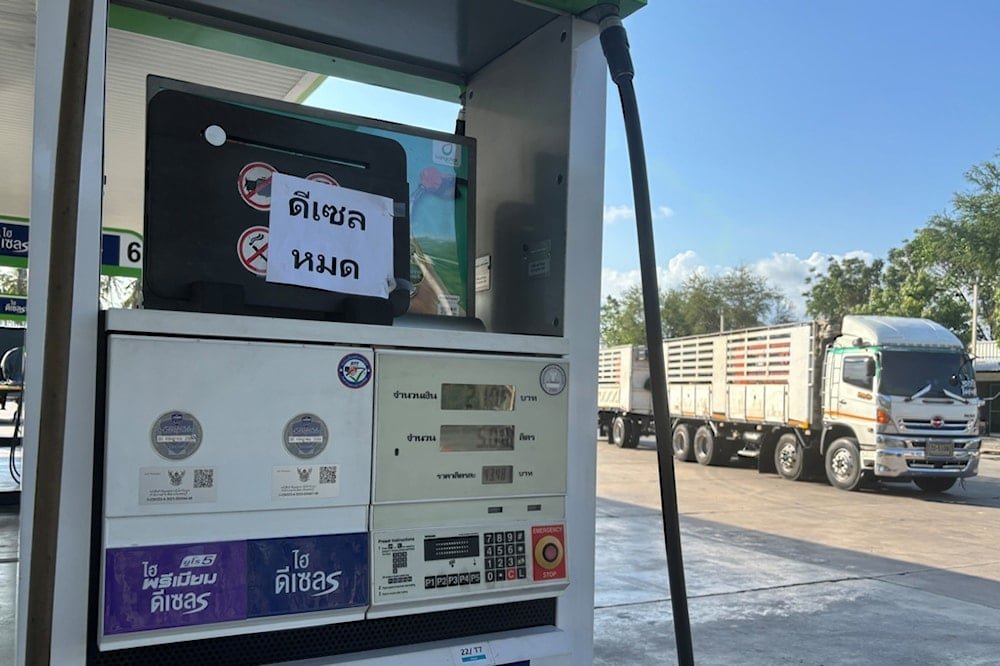
The surge in crude prices, linked to disruptions and heightened uncertainty surrounding Middle Eastern supply routes, has intensified pressure on economies heavily reliant on imported energy.
Thailand, a major net oil importer, has been particularly affected as higher fuel costs ripple through inflation expectations and trade balances.
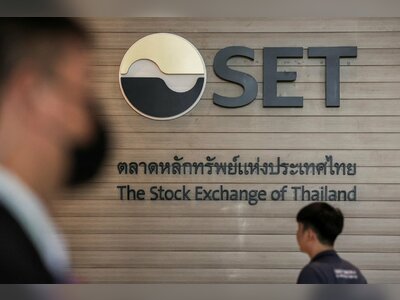
Financial markets have responded with increased volatility, with foreign investors reducing holdings in Thai equities and bonds amid broader risk aversion.
Analysts note that such capital movements are consistent with global trends during periods of geopolitical stress, as funds shift toward perceived safe-haven assets.
Despite these challenges, Thai authorities have moved swiftly to reinforce economic stability.
Policymakers are closely monitoring currency movements and liquidity conditions, while emphasising the country’s strong financial fundamentals, including robust foreign exchange reserves and a well-regulated banking system.
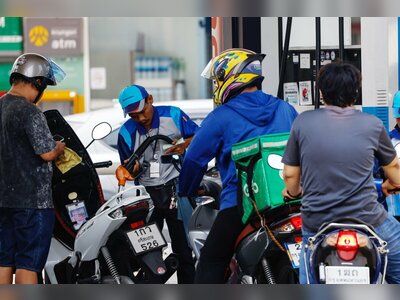
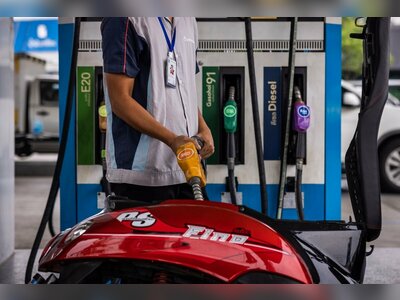
Officials have also underscored their readiness to deploy targeted measures to cushion the impact of higher energy costs on households and businesses.
These include efforts to manage fuel prices, support key industries and maintain investor confidence during a period of heightened global uncertainty.
The current environment reflects the interconnected nature of global markets, where geopolitical developments can rapidly influence capital flows and economic sentiment.
Thailand’s proactive policy approach highlights its commitment to maintaining stability while navigating external shocks.
While capital outflows present near-term challenges, the country’s diversified economic base and strong institutional framework are expected to support resilience as conditions evolve, positioning Thailand to respond effectively once global energy markets stabilise.
The surge in crude prices, linked to disruptions and heightened uncertainty surrounding Middle Eastern supply routes, has intensified pressure on economies heavily reliant on imported energy.
Thailand, a major net oil importer, has been particularly affected as higher fuel costs ripple through inflation expectations and trade balances.
Financial markets have responded with increased volatility, with foreign investors reducing holdings in Thai equities and bonds amid broader risk aversion.
Analysts note that such capital movements are consistent with global trends during periods of geopolitical stress, as funds shift toward perceived safe-haven assets.
Despite these challenges, Thai authorities have moved swiftly to reinforce economic stability.
Policymakers are closely monitoring currency movements and liquidity conditions, while emphasising the country’s strong financial fundamentals, including robust foreign exchange reserves and a well-regulated banking system.
Officials have also underscored their readiness to deploy targeted measures to cushion the impact of higher energy costs on households and businesses.
These include efforts to manage fuel prices, support key industries and maintain investor confidence during a period of heightened global uncertainty.
The current environment reflects the interconnected nature of global markets, where geopolitical developments can rapidly influence capital flows and economic sentiment.
Thailand’s proactive policy approach highlights its commitment to maintaining stability while navigating external shocks.
While capital outflows present near-term challenges, the country’s diversified economic base and strong institutional framework are expected to support resilience as conditions evolve, positioning Thailand to respond effectively once global energy markets stabilise.