

Thailand and United States Advance Talks on Reciprocal Trade Framework as Market Access Negotiations Intensify
Officials signal progress on a bilateral trade arrangement focused on tariffs, supply chains, and investment conditions amid shifting global trade alignments
SYSTEM-DRIVEN trade policy negotiations are shaping a renewed phase of economic engagement between Thailand and the United States, as both sides move forward on discussions toward a reciprocal trade arrangement aimed at improving market access and reducing structural barriers to commerce.
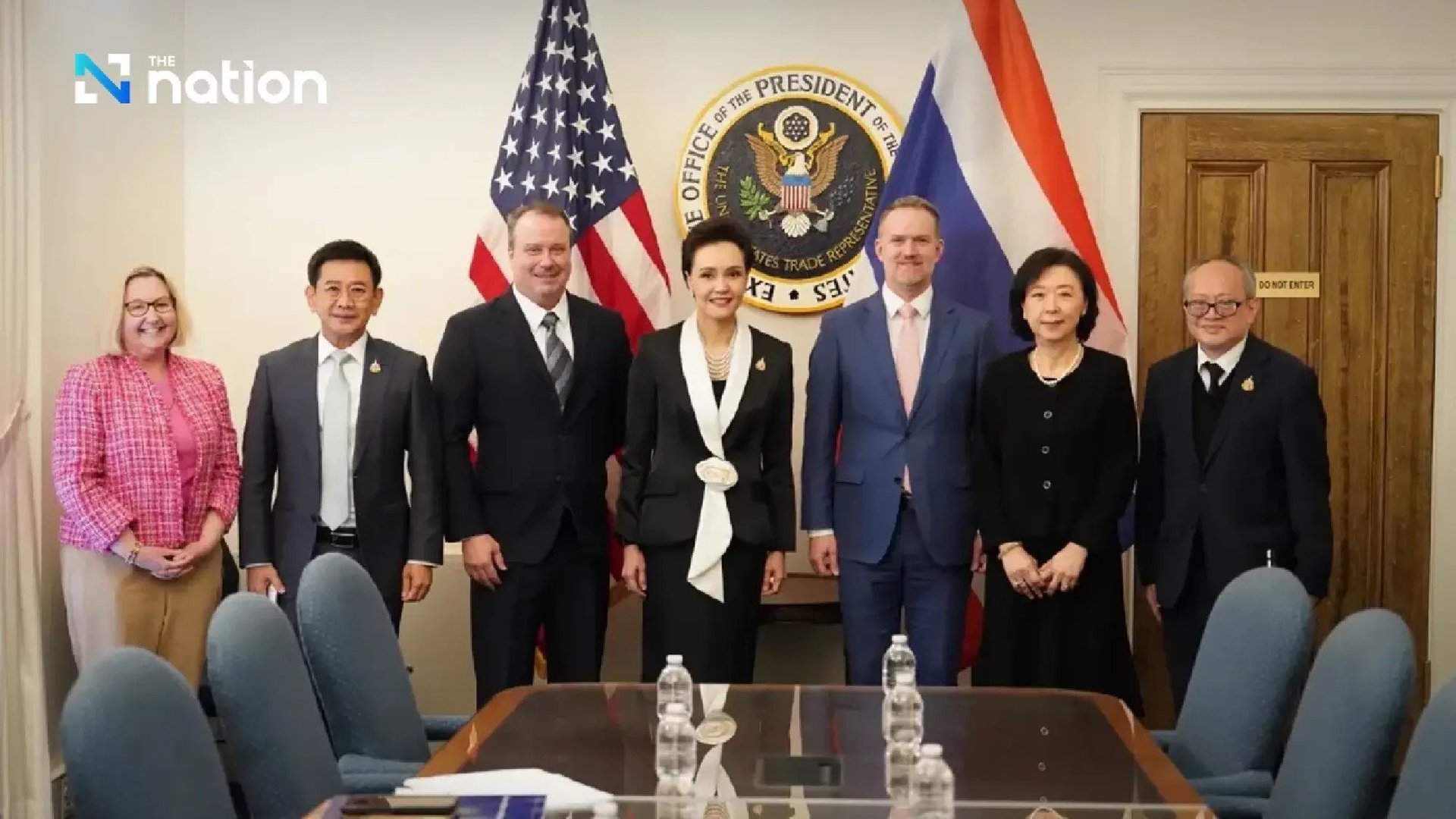
What is confirmed is that Thai trade officials have indicated progress in talks with US counterparts on a framework that would address tariff structures, non-tariff barriers, and broader trade facilitation measures.
The discussions are part of a wider effort to deepen bilateral economic ties at a time when global supply chains are being reorganized and countries are seeking more resilient trade partnerships.
The concept of a reciprocal trade deal typically involves mutual concessions on tariffs, regulatory alignment, and investment rules, allowing exporters and investors from both countries improved access to each other’s markets.
In this case, the discussions reflect Thailand’s interest in strengthening its export competitiveness in the United States while also attracting greater US investment in sectors such as manufacturing, digital services, and clean energy.
For Thailand, the United States remains one of its most important export destinations, particularly for electronics, automotive components, agricultural products, and processed foods.
However, Thai exporters face regulatory complexity and tariff differences that can limit competitiveness compared with regional peers that have broader trade agreements with the US.
For the United States, deeper trade engagement with Thailand aligns with broader strategic objectives in Southeast Asia, where supply chain diversification has become a priority.
US companies are increasingly seeking alternative manufacturing bases outside traditional hubs, and Thailand’s established industrial zones and logistics infrastructure position it as a competitive option within ASEAN.
The negotiations also take place against the backdrop of intensifying global trade fragmentation.
Countries are increasingly using bilateral and regional agreements to secure preferential access, reduce dependency on single markets, and manage geopolitical risk.
Thailand’s engagement with the US reflects this trend, as it seeks to balance economic ties across major global economies.
Non-tariff barriers remain a central issue in discussions.
These include regulatory standards, customs procedures, and compliance requirements that can create friction for exporters even in the absence of high tariffs.
Addressing these barriers is often more complex than tariff reduction because it involves domestic regulatory systems and institutional coordination.
Investment flows are another key dimension of the talks.
US firms have shown interest in Thailand’s growing electric vehicle supply chain, renewable energy projects, and digital economy initiatives.
At the same time, Thailand is seeking to ensure that any expanded trade relationship supports domestic industrial development rather than simply increasing import competition.
While officials describe progress in the negotiations, the outcome remains dependent on resolving technical issues around market access and regulatory alignment.
The broader significance lies in the direction of travel: both countries are signaling willingness to deepen economic integration at a time when global trade relationships are becoming more selective, strategic, and politically driven.
What is confirmed is that Thai trade officials have indicated progress in talks with US counterparts on a framework that would address tariff structures, non-tariff barriers, and broader trade facilitation measures.
The discussions are part of a wider effort to deepen bilateral economic ties at a time when global supply chains are being reorganized and countries are seeking more resilient trade partnerships.
The concept of a reciprocal trade deal typically involves mutual concessions on tariffs, regulatory alignment, and investment rules, allowing exporters and investors from both countries improved access to each other’s markets.
In this case, the discussions reflect Thailand’s interest in strengthening its export competitiveness in the United States while also attracting greater US investment in sectors such as manufacturing, digital services, and clean energy.
For Thailand, the United States remains one of its most important export destinations, particularly for electronics, automotive components, agricultural products, and processed foods.
However, Thai exporters face regulatory complexity and tariff differences that can limit competitiveness compared with regional peers that have broader trade agreements with the US.
For the United States, deeper trade engagement with Thailand aligns with broader strategic objectives in Southeast Asia, where supply chain diversification has become a priority.
US companies are increasingly seeking alternative manufacturing bases outside traditional hubs, and Thailand’s established industrial zones and logistics infrastructure position it as a competitive option within ASEAN.
The negotiations also take place against the backdrop of intensifying global trade fragmentation.
Countries are increasingly using bilateral and regional agreements to secure preferential access, reduce dependency on single markets, and manage geopolitical risk.
Thailand’s engagement with the US reflects this trend, as it seeks to balance economic ties across major global economies.
Non-tariff barriers remain a central issue in discussions.
These include regulatory standards, customs procedures, and compliance requirements that can create friction for exporters even in the absence of high tariffs.
Addressing these barriers is often more complex than tariff reduction because it involves domestic regulatory systems and institutional coordination.
Investment flows are another key dimension of the talks.
US firms have shown interest in Thailand’s growing electric vehicle supply chain, renewable energy projects, and digital economy initiatives.
At the same time, Thailand is seeking to ensure that any expanded trade relationship supports domestic industrial development rather than simply increasing import competition.
While officials describe progress in the negotiations, the outcome remains dependent on resolving technical issues around market access and regulatory alignment.
The broader significance lies in the direction of travel: both countries are signaling willingness to deepen economic integration at a time when global trade relationships are becoming more selective, strategic, and politically driven.