Thailand’s Political Future in Focus as Pita Limjaroenrat Reframes Reform Agenda
A high-profile political conversation highlights unresolved tensions over democratic transition, institutional power, and Thailand’s role in a shifting Southeast Asian order
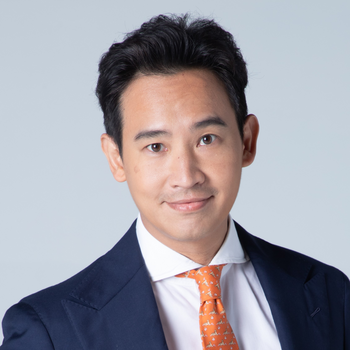
ACTOR-DRIVEN dynamics are shaping Thailand’s ongoing political transition as former Move Forward Party leader Pita Limjaroenrat continues to frame the country’s reform debate around democracy, institutional accountability, and economic modernization.
The discussion comes at a moment when Thailand remains in a delicate balance between electoral mandates, constitutional constraints, and entrenched political structures.
What is confirmed is that Thailand’s political system has been under sustained strain since the 2023 general election, which saw the Move Forward Party emerge as the largest winner in parliament before being blocked from forming a government.
The outcome triggered a prolonged reconfiguration of alliances and ultimately led to a governing coalition excluding the party despite its electoral performance.
Pita Limjaroenrat, previously the party’s prime ministerial candidate, has since been barred from holding parliamentary office after legal rulings related to his shareholding disclosure case.
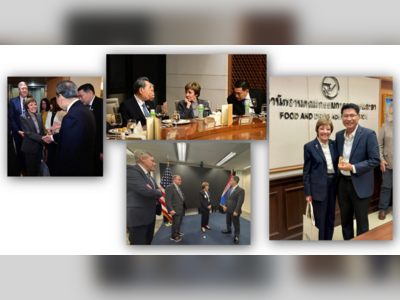
While he remains politically influential, his formal role in national decision-making has been constrained, shifting his influence into advocacy, public discourse, and international engagement.
The broader debate he continues to represent centers on institutional reform, particularly the role of unelected bodies in shaping political outcomes.
Reform advocates argue that Thailand’s constitutional framework, revised after the 2014 military coup and subsequent political transitions, embeds structural limits on elected governments.
These include the Senate’s historical role in selecting prime ministers and the Constitutional Court’s expansive interpretive authority.
Against this backdrop, economic modernization and regional positioning have become central themes.
Thailand faces slower growth relative to regional peers, persistent household debt pressures, and uneven recovery in export-driven sectors.
Reform-oriented voices argue that political uncertainty and institutional rigidity reduce investor confidence and delay structural economic upgrades.
Regional dynamics further complicate the picture.
Southeast Asia is increasingly shaped by competition between major powers, shifting supply chains, and the redistribution of manufacturing capacity away from higher-cost economies.
Thailand’s strategic position within ASEAN gives it leverage, but also exposes it to volatility if domestic political conditions are perceived as unstable.
The conversation around reform therefore extends beyond domestic politics into questions of governance credibility, long-term capital inflows, and Thailand’s ability to reposition itself in advanced manufacturing and digital services.
Policy direction is closely watched by investors, particularly in sectors linked to electric vehicles, electronics, and logistics.
While the political environment remains fluid, the underlying tension is structural: a mismatch between electoral demand for rapid reform and institutional frameworks designed to limit abrupt political change.
That gap continues to define Thailand’s political economy, shaping both domestic governance and international perceptions of stability.
The discussion comes at a moment when Thailand remains in a delicate balance between electoral mandates, constitutional constraints, and entrenched political structures.
What is confirmed is that Thailand’s political system has been under sustained strain since the 2023 general election, which saw the Move Forward Party emerge as the largest winner in parliament before being blocked from forming a government.
The outcome triggered a prolonged reconfiguration of alliances and ultimately led to a governing coalition excluding the party despite its electoral performance.
Pita Limjaroenrat, previously the party’s prime ministerial candidate, has since been barred from holding parliamentary office after legal rulings related to his shareholding disclosure case.
While he remains politically influential, his formal role in national decision-making has been constrained, shifting his influence into advocacy, public discourse, and international engagement.
The broader debate he continues to represent centers on institutional reform, particularly the role of unelected bodies in shaping political outcomes.
Reform advocates argue that Thailand’s constitutional framework, revised after the 2014 military coup and subsequent political transitions, embeds structural limits on elected governments.
These include the Senate’s historical role in selecting prime ministers and the Constitutional Court’s expansive interpretive authority.
Against this backdrop, economic modernization and regional positioning have become central themes.
Thailand faces slower growth relative to regional peers, persistent household debt pressures, and uneven recovery in export-driven sectors.
Reform-oriented voices argue that political uncertainty and institutional rigidity reduce investor confidence and delay structural economic upgrades.
Regional dynamics further complicate the picture.
Southeast Asia is increasingly shaped by competition between major powers, shifting supply chains, and the redistribution of manufacturing capacity away from higher-cost economies.
Thailand’s strategic position within ASEAN gives it leverage, but also exposes it to volatility if domestic political conditions are perceived as unstable.
The conversation around reform therefore extends beyond domestic politics into questions of governance credibility, long-term capital inflows, and Thailand’s ability to reposition itself in advanced manufacturing and digital services.
Policy direction is closely watched by investors, particularly in sectors linked to electric vehicles, electronics, and logistics.
While the political environment remains fluid, the underlying tension is structural: a mismatch between electoral demand for rapid reform and institutional frameworks designed to limit abrupt political change.
That gap continues to define Thailand’s political economy, shaping both domestic governance and international perceptions of stability.