Thailand Expands Visa-Free Access for Indian Tourists and Strengthens Long-Stay Options for Remote Workers
Bangkok introduces 60-day visa-free stays for Indian nationals and highlights the Destination Thailand Visa to attract digital nomads and longer-term visitors
Thailand has implemented significant changes to its visa and entry policies to bolster tourism, international engagement and long-stay residency options, with particular attention to travellers from India and global remote workers.
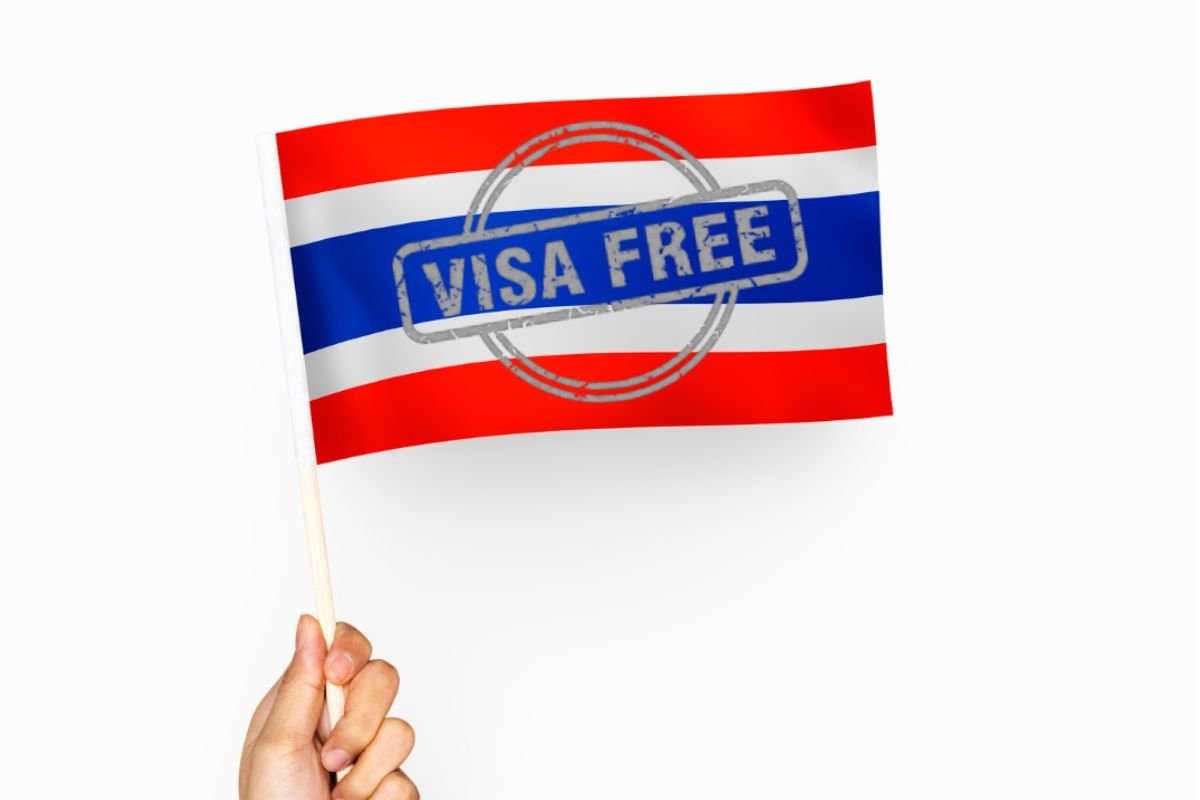
Under the updated framework, Indian passport holders can now enter Thailand and stay visa-free for up to sixty days, a move that extends the previous thirty-day exemption and is designed to promote longer visits and greater tourism spending.
This policy applies to Indian nationals entering for tourism or short-term business and supports Thailand’s broader aim of deepening cultural and economic ties with one of its largest outbound travel markets.
The expanded visa-free period forms part of a comprehensive visa policy overhaul approved by the Thai Cabinet, which also includes improved e-Visa services and a streamlined visa-on-arrival process facilitated by online systems.
By making the entry process more accessible, Thai authorities are targeting a sustained rebound in foreign arrivals and stimulating recovery in sectors that rely on international travel.
Alongside the extended visa-free stay for tourists, Thailand is continuing to promote its Destination Thailand Visa, colloquially known as the digital nomad visa, which has emerged as a flexible longer-term option for remote workers and location-independent professionals.
Launched in mid-2024, the Destination Thailand Visa provides holders with a five-year multiple-entry status and allows stays of up to one hundred and eighty days per entry.
Applicants are typically required to demonstrate remote employment or freelance income from foreign sources and meet basic financial criteria, enabling them to work remotely while residing in Thailand without the need for a traditional work permit.
The Destination Thailand Visa has attracted substantial interest from Indian applicants and others seeking an extended presence in Thailand without the constraints of frequent short-term visa renewals.
Its structure is seen as competitive in the increasingly popular market for digital nomad visas, where Thailand aims to position itself as a hub for remote professionals seeking a balance of lifestyle, affordability and connectivity.
Officials underscore that these policy shifts are calibrated to enhance Thailand’s attractiveness to both short-stay visitors and longer-term residents, dovetailing with reforms such as the introduction of mandatory digital arrival cards to streamline immigration processes.
The combined measures reflect a strategic commitment to modernising visa regimes, strengthening international mobility and consolidating Thailand’s role as a premier travel and residency destination in the region.
While the sixty-day visa-free regime is currently in effect, some government bodies have initiated reviews of the broader visa-exemption framework as part of ongoing assessments of immigration control and economic impact.
Authorities are seeking to balance the benefits of extended tourist stays with border management considerations, though the current policy remains accessible to eligible travellers.
The introduction and promotion of diversified visa pathways, including the Destination Thailand Visa, underscore Thailand’s efforts to adapt to evolving global mobility trends and to capitalise on opportunities presented by digital work and international tourism demand.
Under the updated framework, Indian passport holders can now enter Thailand and stay visa-free for up to sixty days, a move that extends the previous thirty-day exemption and is designed to promote longer visits and greater tourism spending.
This policy applies to Indian nationals entering for tourism or short-term business and supports Thailand’s broader aim of deepening cultural and economic ties with one of its largest outbound travel markets.
The expanded visa-free period forms part of a comprehensive visa policy overhaul approved by the Thai Cabinet, which also includes improved e-Visa services and a streamlined visa-on-arrival process facilitated by online systems.
By making the entry process more accessible, Thai authorities are targeting a sustained rebound in foreign arrivals and stimulating recovery in sectors that rely on international travel.
Alongside the extended visa-free stay for tourists, Thailand is continuing to promote its Destination Thailand Visa, colloquially known as the digital nomad visa, which has emerged as a flexible longer-term option for remote workers and location-independent professionals.
Launched in mid-2024, the Destination Thailand Visa provides holders with a five-year multiple-entry status and allows stays of up to one hundred and eighty days per entry.
Applicants are typically required to demonstrate remote employment or freelance income from foreign sources and meet basic financial criteria, enabling them to work remotely while residing in Thailand without the need for a traditional work permit.
The Destination Thailand Visa has attracted substantial interest from Indian applicants and others seeking an extended presence in Thailand without the constraints of frequent short-term visa renewals.
Its structure is seen as competitive in the increasingly popular market for digital nomad visas, where Thailand aims to position itself as a hub for remote professionals seeking a balance of lifestyle, affordability and connectivity.
Officials underscore that these policy shifts are calibrated to enhance Thailand’s attractiveness to both short-stay visitors and longer-term residents, dovetailing with reforms such as the introduction of mandatory digital arrival cards to streamline immigration processes.
The combined measures reflect a strategic commitment to modernising visa regimes, strengthening international mobility and consolidating Thailand’s role as a premier travel and residency destination in the region.
While the sixty-day visa-free regime is currently in effect, some government bodies have initiated reviews of the broader visa-exemption framework as part of ongoing assessments of immigration control and economic impact.
Authorities are seeking to balance the benefits of extended tourist stays with border management considerations, though the current policy remains accessible to eligible travellers.
The introduction and promotion of diversified visa pathways, including the Destination Thailand Visa, underscore Thailand’s efforts to adapt to evolving global mobility trends and to capitalise on opportunities presented by digital work and international tourism demand.