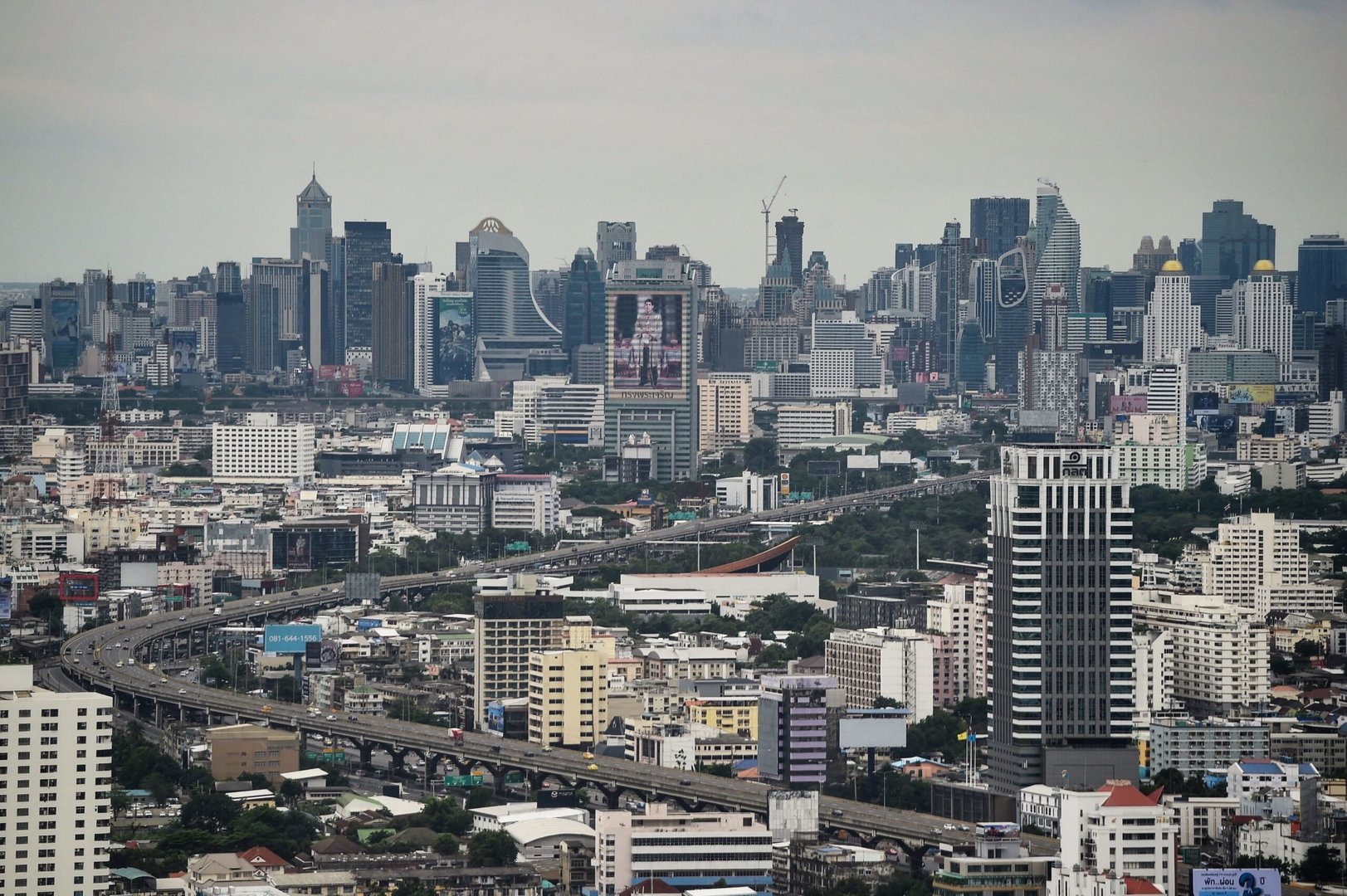
Thailand Faces THB 3.45 Trillion Inventory of Empty Homes Amid Housing Stress
Survey finds 1.64 million ready-to-move-in units unoccupied, as Bangkok’s condo market records a near 25% vacancy rate
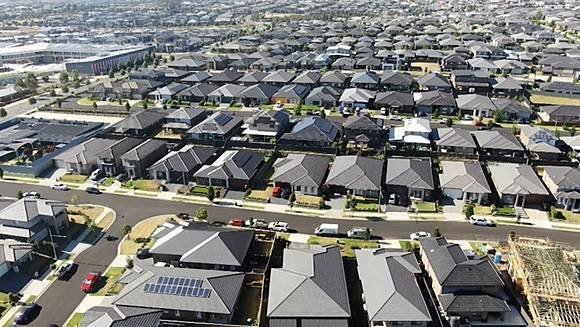
Thailand is grappling with a striking imbalance in its housing market: approximately 1.64 million finished and ready-to-move-in residential units currently lie vacant, representing an estimated economic value of around THB 3.45 trillion.
The figure approaches the size of the nation’s annual budget and raises fresh concerns over market dynamics.
The data — drawn from a survey by the Thai Real Estate Research and Valuation Centre (AREA) — shows the phenomenon is heavily concentrated in the Bangkok metropolitan region, where more than 730 000 units remain unoccupied.
In the condominium segment alone, the vacancy rate stands at a critical 24.8 per cent, meaning nearly one in every four units is standing empty.
Condos account for 58 per cent of all vacant homes in the region.
Lower-cost properties are particularly vulnerable: units priced under THB 500 000 record a vacancy rate of 21.1 per cent and are said to deteriorate more rapidly due to weak maintenance-fee collection.
The survey defines a “vacant” unit as one that has been completed, is ready for occupancy, and shows negligible utility consumption — a practical indicator of non-residency.
Housing-market analysts suggest the glut of empty stock has been driven by speculative over-launches in the condo segment and subdued demand from genuine occupiers.
The scale of this “ghost-housing” inventory poses multiple challenges.
Developers face pressure to clear unsold units, which may squeeze margins or delay future launches.
Banks and lenders may tighten criteria amid worries that price corrections lie ahead.
For prospective home-buyers, idle properties weigh on confidence and may limit mobility and affordability for genuine households.
At the same time, the vacancy surge coincides with broader demand pressures: middle-income families face rising property prices and energy and food costs, while the expansion of supply in urban centres outpaces uptake.
Experts emphasise that high levels of empty homes signal not only over-supply but diminished market efficiency and social utility.
Policymakers are now debating targeted interventions.
Among the proposals is a tax on empty-homes — aimed at incentivising occupancy or sale of idle assets — and stronger regulation of maintenance-fund collection in lower-cost developments.
The government is also urged to align housing supply with local demand, and to monitor residential utility-consumption thresholds as a live indicator of occupancy trends.
With Bangkok’s condo market showing the sharpest divergence between supply and occupancy, the next few quarters will test how swiftly design, pricing and policy can recalibrate the alignment between built stock and real-world housing need.
The scale of the idle inventory underlines that while construction has delivered units by the thousands, many of those spaces are not serving households — and the cost of non-use now mounts in the trillions.
The figure approaches the size of the nation’s annual budget and raises fresh concerns over market dynamics.
The data — drawn from a survey by the Thai Real Estate Research and Valuation Centre (AREA) — shows the phenomenon is heavily concentrated in the Bangkok metropolitan region, where more than 730 000 units remain unoccupied.
In the condominium segment alone, the vacancy rate stands at a critical 24.8 per cent, meaning nearly one in every four units is standing empty.
Condos account for 58 per cent of all vacant homes in the region.
Lower-cost properties are particularly vulnerable: units priced under THB 500 000 record a vacancy rate of 21.1 per cent and are said to deteriorate more rapidly due to weak maintenance-fee collection.
The survey defines a “vacant” unit as one that has been completed, is ready for occupancy, and shows negligible utility consumption — a practical indicator of non-residency.
Housing-market analysts suggest the glut of empty stock has been driven by speculative over-launches in the condo segment and subdued demand from genuine occupiers.
The scale of this “ghost-housing” inventory poses multiple challenges.
Developers face pressure to clear unsold units, which may squeeze margins or delay future launches.
Banks and lenders may tighten criteria amid worries that price corrections lie ahead.
For prospective home-buyers, idle properties weigh on confidence and may limit mobility and affordability for genuine households.
At the same time, the vacancy surge coincides with broader demand pressures: middle-income families face rising property prices and energy and food costs, while the expansion of supply in urban centres outpaces uptake.
Experts emphasise that high levels of empty homes signal not only over-supply but diminished market efficiency and social utility.
Policymakers are now debating targeted interventions.
Among the proposals is a tax on empty-homes — aimed at incentivising occupancy or sale of idle assets — and stronger regulation of maintenance-fund collection in lower-cost developments.
The government is also urged to align housing supply with local demand, and to monitor residential utility-consumption thresholds as a live indicator of occupancy trends.
With Bangkok’s condo market showing the sharpest divergence between supply and occupancy, the next few quarters will test how swiftly design, pricing and policy can recalibrate the alignment between built stock and real-world housing need.
The scale of the idle inventory underlines that while construction has delivered units by the thousands, many of those spaces are not serving households — and the cost of non-use now mounts in the trillions.