Thailand Reaffirms No-Casino Policy to Bolster Chinese Tourism Confidence
Prime Minister Anutin emphasises Thailand’s refusal to legalise casinos as a signal of safety to China’s travellers and investors
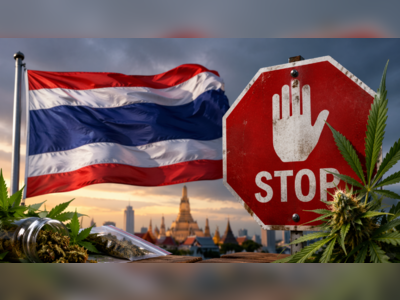
Thailand’s government has reiterated its commitment to a no-casino policy as part of a broader strategy to restore Chinese tourist flows and enhance its reputation as a safe, family-friendly destination.
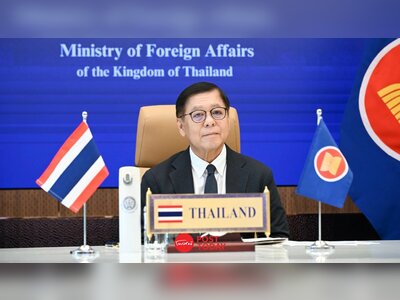
Prime Minister Anutin Charnvirakul says Beijing received the assurance positively during discussions with President Xi Jinping and that this stance will support renewed Chinese arrivals.
Anutin described his recent talks with President Xi as “productive and cordial,” stating that China communicated it would advise its citizens regarding destinations whose policies might not align with Chinese legal or moral frameworks.
He said that when Chinese officials learned Thailand had no intention to legalise casinos, they expressed comfort in endorsing Thai visits more openly.
The firm position follows months of speculation regarding Thailand’s earlier exploration of casino resorts under the previous government.
Tourist-industry sources point out that Chinese arrivals — once about eleven million annually, making up nearly a quarter of all foreign visitors — have rebounded more slowly than expected.
The government now places fresh emphasis on steadying the tourism sector by aligning with Chinese expectations on moral, cultural and regulatory standards.
Thailand is emphasising the absence of legalised casinos as a comparative advantage against regional competitors such as Macau, the Philippines and Singapore.
Tourism officials say the message resonates particularly with Chinese families and group tours that prioritise consumer safety, cultural harmony and predictable regulations over high-risk entertainment.
The no-casino stance is also aligned with Bangkok’s pivot toward sustainable and family-oriented travel experiences, including cultural workshops, wellness tourism and eco-retreats.
Industry operators in major Thai destinations report a tentative uptick in Chinese group-tour enquiries following the diplomatic reassurance.
Hotels, retail outlets and transport services catering to Chinese travellers interpret the policy reaffirmation as a stabilising signal.
To accelerate the recovery, the Thai government is combining the casino-policy clarity with improved infrastructure, targeted visa-free access relief, and adoption of Chinese mobile payment systems such as WeChat Pay and digital yuan compatibility.
Observers suggest that beyond mere tourism numbers, Thailand’s message underlines its broader regional posture — positioning itself as culturally aligned, politically sensitive and economically open to Chinese bilateral partnership.
While uncertainties remain about when full pre-pandemic Chinese visitor levels will return, Thailand’s clear refusal to legalise casinos is being hailed by Bangkok as a strategic move to rebuild trust, reinforce its destination brand and deepen bilateral tourism relations with China.
Prime Minister Anutin Charnvirakul says Beijing received the assurance positively during discussions with President Xi Jinping and that this stance will support renewed Chinese arrivals.
Anutin described his recent talks with President Xi as “productive and cordial,” stating that China communicated it would advise its citizens regarding destinations whose policies might not align with Chinese legal or moral frameworks.
He said that when Chinese officials learned Thailand had no intention to legalise casinos, they expressed comfort in endorsing Thai visits more openly.
The firm position follows months of speculation regarding Thailand’s earlier exploration of casino resorts under the previous government.
Tourist-industry sources point out that Chinese arrivals — once about eleven million annually, making up nearly a quarter of all foreign visitors — have rebounded more slowly than expected.
The government now places fresh emphasis on steadying the tourism sector by aligning with Chinese expectations on moral, cultural and regulatory standards.
Thailand is emphasising the absence of legalised casinos as a comparative advantage against regional competitors such as Macau, the Philippines and Singapore.
Tourism officials say the message resonates particularly with Chinese families and group tours that prioritise consumer safety, cultural harmony and predictable regulations over high-risk entertainment.
The no-casino stance is also aligned with Bangkok’s pivot toward sustainable and family-oriented travel experiences, including cultural workshops, wellness tourism and eco-retreats.
Industry operators in major Thai destinations report a tentative uptick in Chinese group-tour enquiries following the diplomatic reassurance.
Hotels, retail outlets and transport services catering to Chinese travellers interpret the policy reaffirmation as a stabilising signal.
To accelerate the recovery, the Thai government is combining the casino-policy clarity with improved infrastructure, targeted visa-free access relief, and adoption of Chinese mobile payment systems such as WeChat Pay and digital yuan compatibility.
Observers suggest that beyond mere tourism numbers, Thailand’s message underlines its broader regional posture — positioning itself as culturally aligned, politically sensitive and economically open to Chinese bilateral partnership.
While uncertainties remain about when full pre-pandemic Chinese visitor levels will return, Thailand’s clear refusal to legalise casinos is being hailed by Bangkok as a strategic move to rebuild trust, reinforce its destination brand and deepen bilateral tourism relations with China.