
US–Iran Tensions Risk 60 Billion Baht Blow to Thai Exports as Wider Economic Fallout Looms
Analysts warn trade shock could ripple through tourism, property and retail sectors if Middle East conflict escalates
Escalating tensions between the United States and Iran are threatening to inflict an estimated 60 billion baht hit to Thai exports, with economists cautioning that prolonged instability could spill over into tourism, property and retail activity.
Trade analysts say Thailand’s export sector faces indirect exposure through higher energy costs, disrupted shipping routes and weakened global demand if hostilities intensify.
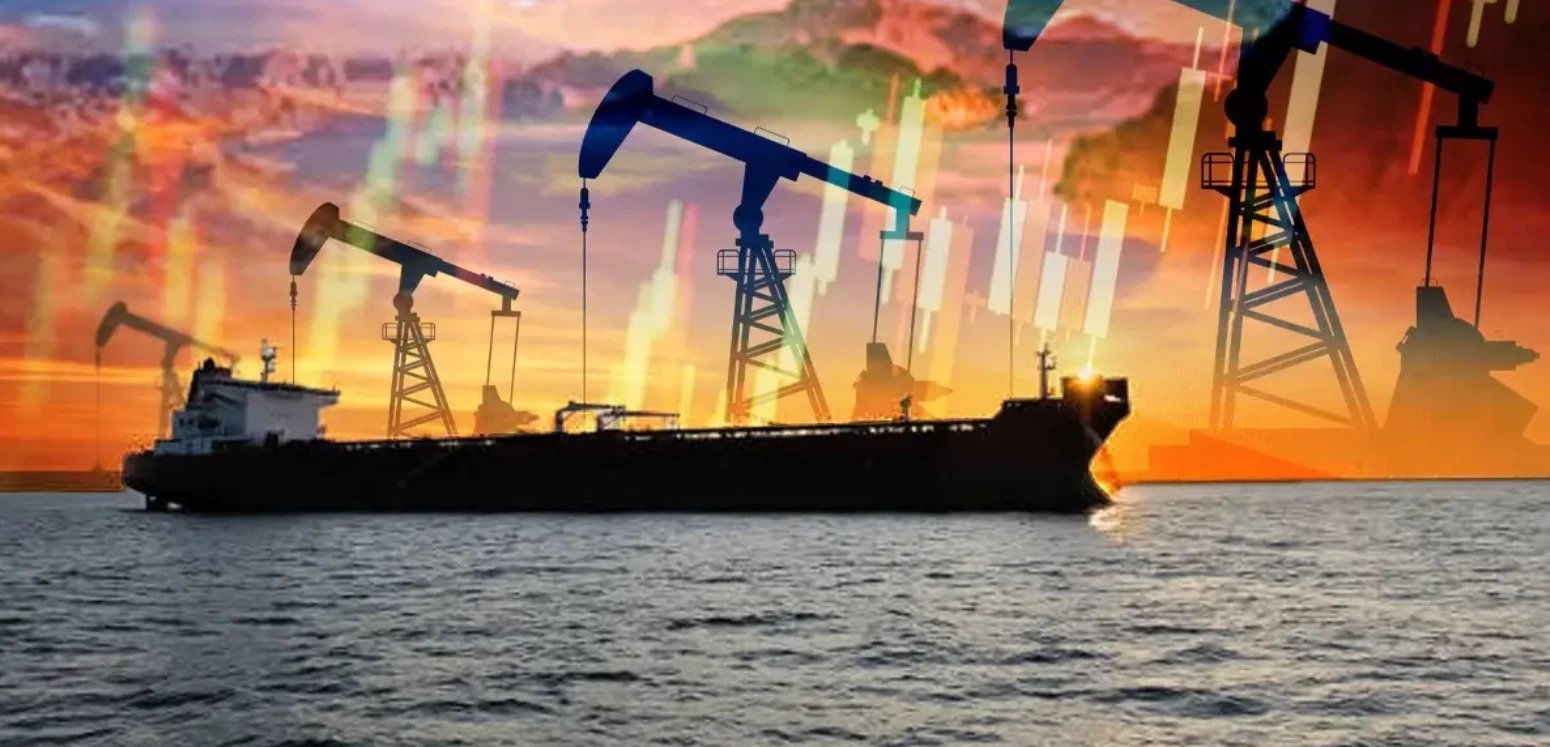
The Strait of Hormuz, a vital corridor for global oil shipments, remains central to market concerns, as any sustained disruption would elevate freight rates and fuel prices across Asia.
Thailand, a major manufacturing and agricultural exporter, is particularly sensitive to swings in global trade flows.
Higher oil prices would increase production and transport costs for exporters, potentially eroding competitiveness in key markets.
At the same time, softer demand from major trading partners grappling with energy-driven inflation could weigh on outbound shipments.
Beyond goods trade, economists warn of secondary effects.
Tourism, a pillar of Thailand’s economy, could face headwinds if global travel sentiment weakens or airline operating costs rise sharply.
The hospitality sector remains in recovery mode, and renewed volatility may slow momentum.
Property developers and retailers are also monitoring the situation closely.
Rising fuel and import costs could dampen consumer confidence and discretionary spending, particularly if inflation accelerates.
Higher interest rate expectations in response to global energy shocks would add pressure to borrowing-sensitive sectors.
Thai authorities have emphasized preparedness and resilience, noting that diversified export markets and strengthened fiscal buffers provide a degree of protection.
Policymakers are assessing contingency measures to stabilize energy supplies and support affected industries should external shocks intensify.
While the projected 60 billion baht export impact represents a risk scenario rather than a confirmed outcome, analysts agree that sustained geopolitical escalation would test the durability of Thailand’s trade-driven growth model.
The trajectory of the US–Iran confrontation will therefore remain a critical variable for Southeast Asia’s broader economic outlook.
Trade analysts say Thailand’s export sector faces indirect exposure through higher energy costs, disrupted shipping routes and weakened global demand if hostilities intensify.
The Strait of Hormuz, a vital corridor for global oil shipments, remains central to market concerns, as any sustained disruption would elevate freight rates and fuel prices across Asia.
Thailand, a major manufacturing and agricultural exporter, is particularly sensitive to swings in global trade flows.
Higher oil prices would increase production and transport costs for exporters, potentially eroding competitiveness in key markets.
At the same time, softer demand from major trading partners grappling with energy-driven inflation could weigh on outbound shipments.
Beyond goods trade, economists warn of secondary effects.
Tourism, a pillar of Thailand’s economy, could face headwinds if global travel sentiment weakens or airline operating costs rise sharply.
The hospitality sector remains in recovery mode, and renewed volatility may slow momentum.
Property developers and retailers are also monitoring the situation closely.
Rising fuel and import costs could dampen consumer confidence and discretionary spending, particularly if inflation accelerates.
Higher interest rate expectations in response to global energy shocks would add pressure to borrowing-sensitive sectors.
Thai authorities have emphasized preparedness and resilience, noting that diversified export markets and strengthened fiscal buffers provide a degree of protection.
Policymakers are assessing contingency measures to stabilize energy supplies and support affected industries should external shocks intensify.
While the projected 60 billion baht export impact represents a risk scenario rather than a confirmed outcome, analysts agree that sustained geopolitical escalation would test the durability of Thailand’s trade-driven growth model.
The trajectory of the US–Iran confrontation will therefore remain a critical variable for Southeast Asia’s broader economic outlook.