
US Maintains Nineteen Percent Tariff on Thailand, Malaysia and Cambodia Amid Trade Talks
Washington retains 19 % levy rather than delivering zero-tariff scheme as some exports await negotiation
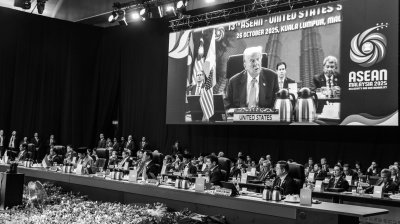
The United States has opted to set a 19 percent reciprocal tariff on imports from Thailand, Malaysia and Cambodia, rather than granting the zero-tariff scheme previously reported at the 2025 ASEAN Summit in Kuala Lumpur.
While earlier media accounts indicated a 0 % tariff arrangement for selected goods, official communiques confirm that the published trade framework spells out a 19 percent baseline for now, with further reductions or exclusions to be negotiated separately.
For Thailand, the deal includes a commitment to eliminate tariff barriers on nearly 99 % of U.S. goods and accept U.S. vehicle safety and emissions standards, in exchange for Washington exploring product-specific cuts.
The Malaysian government similarly described planned duty-free access for certain goods such as aerospace equipment, pharmaceuticals and commodities like palm-oil, cocoa and rubber—but noted that these “selected goods” are still subject to detailed bilateral review.
Analysts suggest the divergence between the media narrative of an immediate zero-tariff relief and the 19 percent actual figure reflects the complex negotiation dynamics.
The 19 percent rate offers relief from previously threatened levels—Thailand and Cambodia had faced proposed reciprocal levies of up to 36 percent—yet it stops short of the sweeping exemptions initially touted.
For travellers and exporters, the key takeaway is that while access conditions with the U.S. are improving, the featured 0 % tariff promise should be treated with caution until product-specific schedules are signed.
Until then, the higher baseline rate continues to apply to most exports from these Southeast Asian economies.
The 19 percent tariff outcome underscores Washington’s broader strategy of linking trade benefits to strategic and regional security cooperation rather than broad unilateral relief.
Countries that secured zero-tariff access in future may be those who meet agreed criteria such as critical-minerals supply, rule-of-law safeguards and aligned foreign-policy commitments.
In short, while the deal with the U.S. marks a step forward for Thailand, Malaysia and Cambodia, the anticipated 0 % tariff status remains a target rather than a reality for now.
While earlier media accounts indicated a 0 % tariff arrangement for selected goods, official communiques confirm that the published trade framework spells out a 19 percent baseline for now, with further reductions or exclusions to be negotiated separately.
For Thailand, the deal includes a commitment to eliminate tariff barriers on nearly 99 % of U.S. goods and accept U.S. vehicle safety and emissions standards, in exchange for Washington exploring product-specific cuts.
The Malaysian government similarly described planned duty-free access for certain goods such as aerospace equipment, pharmaceuticals and commodities like palm-oil, cocoa and rubber—but noted that these “selected goods” are still subject to detailed bilateral review.
Analysts suggest the divergence between the media narrative of an immediate zero-tariff relief and the 19 percent actual figure reflects the complex negotiation dynamics.
The 19 percent rate offers relief from previously threatened levels—Thailand and Cambodia had faced proposed reciprocal levies of up to 36 percent—yet it stops short of the sweeping exemptions initially touted.
For travellers and exporters, the key takeaway is that while access conditions with the U.S. are improving, the featured 0 % tariff promise should be treated with caution until product-specific schedules are signed.
Until then, the higher baseline rate continues to apply to most exports from these Southeast Asian economies.
The 19 percent tariff outcome underscores Washington’s broader strategy of linking trade benefits to strategic and regional security cooperation rather than broad unilateral relief.
Countries that secured zero-tariff access in future may be those who meet agreed criteria such as critical-minerals supply, rule-of-law safeguards and aligned foreign-policy commitments.
In short, while the deal with the U.S. marks a step forward for Thailand, Malaysia and Cambodia, the anticipated 0 % tariff status remains a target rather than a reality for now.