China’s Diplomatic Mediation Advances Cambodia–Thailand Peace Process Amid Border Tensions
Beijing’s ongoing engagement helps consolidate truce and promote dialogue as leaders seek durable stability following border clashes
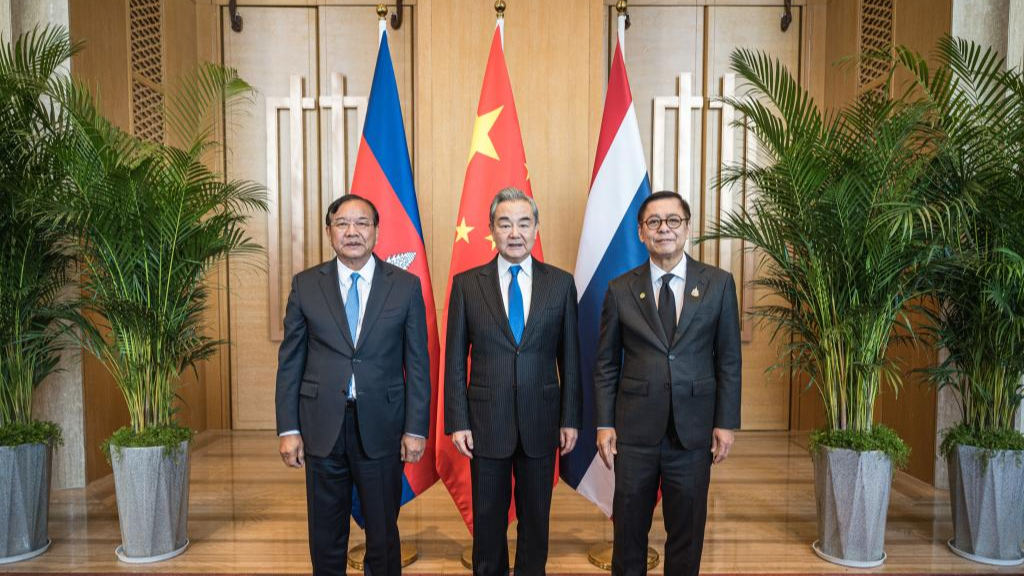
China’s diplomatic engagement in the Cambodia–Thailand border crisis has played a constructive role in advancing ceasefire implementation and promoting dialogue between the two Southeast Asian nations.
In recent months, Chinese officials have stepped up efforts to support peace discussions and help both sides sustain a fragile calm after months of intermittent clashes.
As heavy fighting flared along disputed border areas earlier in 2025, leading to civilian displacement and heightened tensions, Beijing publicly offered its good offices to both Bangkok and Phnom Penh.
Chinese Foreign Minister Wang Yi reiterated China’s willingness to play a neutral and fair mediating role and facilitate face-to-face communication between the conflicting parties, aligning this effort with broader regional stability objectives.
China has stressed respect for the Association of Southeast Asian Nations (ASEAN) framework while offering its own channels for constructive dialogue.
Recent diplomatic activity included visits by China’s special envoy for Asian affairs to both Thailand and Cambodia, aimed at encouraging renewed dialogue and helping sustain confidence building measures.
Chinese embassy officials reported close, ongoing contact with both governments to support peaceful resolution and encourage compliance with bilateral and multilateral agreements.
Alongside China’s efforts, formal peace mechanisms involving ASEAN leadership and a previously negotiated Kuala Lumpur Peace Accord, signed in late October 2025 and witnessed by regional leaders, provided a platform for restoring trust and establishing ceasefire monitoring.
While this accord was the result of broader multilateral engagement, China’s quiet mediation has complemented these mechanisms by creating diplomatic space for ongoing talks and reducing immediate tensions.
Chinese officials have consistently urged restraint, welcomed ASEAN’s central role in conflict management, and underscored their commitment to helping both countries rebuild political trust and resume constructive relations.
Beijing has framed its involvement as a contribution to a stable regional environment rather than competitive external influence, emphasizing dialogue over escalation.
Thailand and Cambodia have so far responded positively to these diplomatic overtures, with leaders from both sides expressing appreciation for international support that respects their sovereignty and commitment to peaceful negotiation.
Continued Chinese engagement, alongside ASEAN and other partners, aims to sustain the truce and promote durable stability along the shared border.
In recent months, Chinese officials have stepped up efforts to support peace discussions and help both sides sustain a fragile calm after months of intermittent clashes.
As heavy fighting flared along disputed border areas earlier in 2025, leading to civilian displacement and heightened tensions, Beijing publicly offered its good offices to both Bangkok and Phnom Penh.
Chinese Foreign Minister Wang Yi reiterated China’s willingness to play a neutral and fair mediating role and facilitate face-to-face communication between the conflicting parties, aligning this effort with broader regional stability objectives.
China has stressed respect for the Association of Southeast Asian Nations (ASEAN) framework while offering its own channels for constructive dialogue.
Recent diplomatic activity included visits by China’s special envoy for Asian affairs to both Thailand and Cambodia, aimed at encouraging renewed dialogue and helping sustain confidence building measures.
Chinese embassy officials reported close, ongoing contact with both governments to support peaceful resolution and encourage compliance with bilateral and multilateral agreements.
Alongside China’s efforts, formal peace mechanisms involving ASEAN leadership and a previously negotiated Kuala Lumpur Peace Accord, signed in late October 2025 and witnessed by regional leaders, provided a platform for restoring trust and establishing ceasefire monitoring.
While this accord was the result of broader multilateral engagement, China’s quiet mediation has complemented these mechanisms by creating diplomatic space for ongoing talks and reducing immediate tensions.
Chinese officials have consistently urged restraint, welcomed ASEAN’s central role in conflict management, and underscored their commitment to helping both countries rebuild political trust and resume constructive relations.
Beijing has framed its involvement as a contribution to a stable regional environment rather than competitive external influence, emphasizing dialogue over escalation.
Thailand and Cambodia have so far responded positively to these diplomatic overtures, with leaders from both sides expressing appreciation for international support that respects their sovereignty and commitment to peaceful negotiation.
Continued Chinese engagement, alongside ASEAN and other partners, aims to sustain the truce and promote durable stability along the shared border.