Fighting Escalates on Thailand–Cambodia Border Despite Trump’s Ceasefire Assertion
Heavy clashes persist and leaders deny any agreed ceasefire as displacement and casualties mount in the long-running territorial dispute
Intense fighting continued along the disputed border between Thailand and Cambodia even after United States President Donald Trump said he had secured an agreement for both sides to halt hostilities, with officials in Bangkok and Phnom Penh rejecting the claim and combat showing no sign of abating.
The clash, which reignited on December 7 following a fragile ceasefire earlier in the year, has involved heavy artillery, rocket barrages and airstrikes on multiple fronts, inflicting dozens of fatalities and displacing hundreds of thousands of civilians on both sides of the frontier.
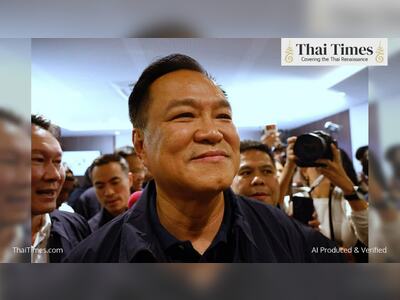
Thai caretaker Prime Minister Anutin Charnvirakul publicly disputed Mr Trump’s statement, saying no new ceasefire had been concluded and affirming that Thailand would continue military operations until threats to its territory and people were removed.
Cambodian authorities have likewise refrained from confirming any truce, with the defence ministry reporting ongoing hostilities, including Thai fighter jets striking positions and Cambodian rocket fire into Thai border provinces.
The violence has led to border checkpoint closures, the withdrawal of Cambodian athletes from sporting events hosted by Thailand, and massive civilian evacuations into shelters.
The renewed conflict stems from a protracted territorial dispute that has periodically flared into armed conflict despite an October peace declaration signed in Kuala Lumpur with the presence of Mr Trump and other regional leaders.
Analysts note that accusations of ceasefire violations, disputes over landmines and a breakdown in trust between the two governments have prevented diplomatic efforts from taking hold, even as external mediators from Malaysia and the Association of Southeast Asian Nations urge restraint.
As battles continue, both Bangkok and Phnom Penh are under pressure to protect civilians and stabilise the region, with international observers warning that prolonged hostilities could have broader implications for Southeast Asian security and humanitarian conditions along the border.
The clash, which reignited on December 7 following a fragile ceasefire earlier in the year, has involved heavy artillery, rocket barrages and airstrikes on multiple fronts, inflicting dozens of fatalities and displacing hundreds of thousands of civilians on both sides of the frontier.
Thai caretaker Prime Minister Anutin Charnvirakul publicly disputed Mr Trump’s statement, saying no new ceasefire had been concluded and affirming that Thailand would continue military operations until threats to its territory and people were removed.
Cambodian authorities have likewise refrained from confirming any truce, with the defence ministry reporting ongoing hostilities, including Thai fighter jets striking positions and Cambodian rocket fire into Thai border provinces.
The violence has led to border checkpoint closures, the withdrawal of Cambodian athletes from sporting events hosted by Thailand, and massive civilian evacuations into shelters.
The renewed conflict stems from a protracted territorial dispute that has periodically flared into armed conflict despite an October peace declaration signed in Kuala Lumpur with the presence of Mr Trump and other regional leaders.
Analysts note that accusations of ceasefire violations, disputes over landmines and a breakdown in trust between the two governments have prevented diplomatic efforts from taking hold, even as external mediators from Malaysia and the Association of Southeast Asian Nations urge restraint.
As battles continue, both Bangkok and Phnom Penh are under pressure to protect civilians and stabilise the region, with international observers warning that prolonged hostilities could have broader implications for Southeast Asian security and humanitarian conditions along the border.