Thailand Approves Sharp Airport Departure Fee Increase as Aviation Expansion Push Accelerates
International passengers leaving Thailand will pay a significantly higher service charge from June 2026 as authorities fund airport expansion, capacity upgrades and long-term aviation growth.
Thailand’s aviation infrastructure strategy is driving a major increase in airport passenger charges, with Airports of Thailand confirming that international departure fees at six major airports will rise from 730 baht to 1,120 baht beginning on June 20, 2026. The increase, approved through Thailand’s civil aviation regulatory process, represents a 53 percent jump and marks one of the country’s largest airport fee revisions in recent years.
The policy affects passengers departing internationally from Suvarnabhumi, Don Mueang, Phuket, Chiang Mai, Chiang Rai and Hat Yai airports.
Domestic passenger charges remain unchanged at 130 baht.
The fee is automatically embedded into airline ticket prices rather than collected separately at airports.
What is confirmed is that Thai aviation authorities and Airports of Thailand view the increase as a financing mechanism for a broader airport expansion program aimed at turning the country into a larger regional aviation hub.
Officials have tied the higher charge directly to infrastructure investment, including terminal expansion, passenger processing systems, security upgrades and runway-related improvements.
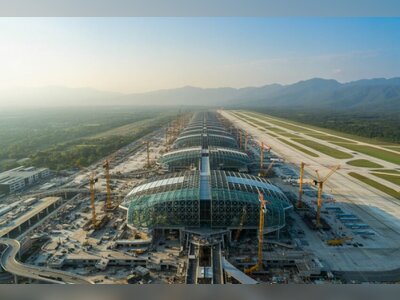
The largest beneficiary is expected to be Bangkok’s Suvarnabhumi Airport, where long-term expansion plans include a new South Terminal project and capacity upgrades designed to handle as many as 120 million passengers annually.
Airports of Thailand has argued that relying entirely on borrowing would increase financial pressure and raise long-term financing costs.
Higher passenger service charges create a more stable revenue stream tied directly to airport usage.
The timing reflects Thailand’s aggressive attempt to capitalize on a broader rebound in Asian aviation after years of pandemic disruption and uneven tourism recovery.
Passenger volumes across Thailand’s main airports have continued climbing through 2025 and into 2026, supported by renewed Chinese travel, stronger regional tourism flows and expanded international routes.
Authorities expect annual passenger numbers across Airports of Thailand’s network to exceed pre-pandemic levels.
The increase also aligns Thailand more closely with charging models used at major international hubs.
Airports of Thailand has repeatedly argued that many global airports collect substantially higher combined passenger, security and infrastructure levies than Thailand currently imposes.
Officials contend the previous fee structure no longer reflected operating costs, inflation, rising energy expenses and expanding infrastructure demands.
The move nevertheless carries economic and political risks.
Thailand remains heavily dependent on price-sensitive tourism, particularly from regional travelers and budget airline markets.
Even relatively modest increases can affect airline pricing strategies on highly competitive routes.
The additional 390 baht charge will disproportionately affect low-cost travel segments where margins are narrow and fares are often heavily discounted.
Airlines operating in Thailand are already facing higher operational costs from fuel volatility, rerouted flight paths linked to Middle East instability and broader global supply chain pressures affecting aircraft availability and maintenance.
The airport charge increase adds another layer of cost pressure at a time when Southeast Asian carriers are attempting to rebuild profitability.
Tourism operators and consumer groups have also questioned whether passengers will see visible service improvements quickly enough to justify the higher fees.
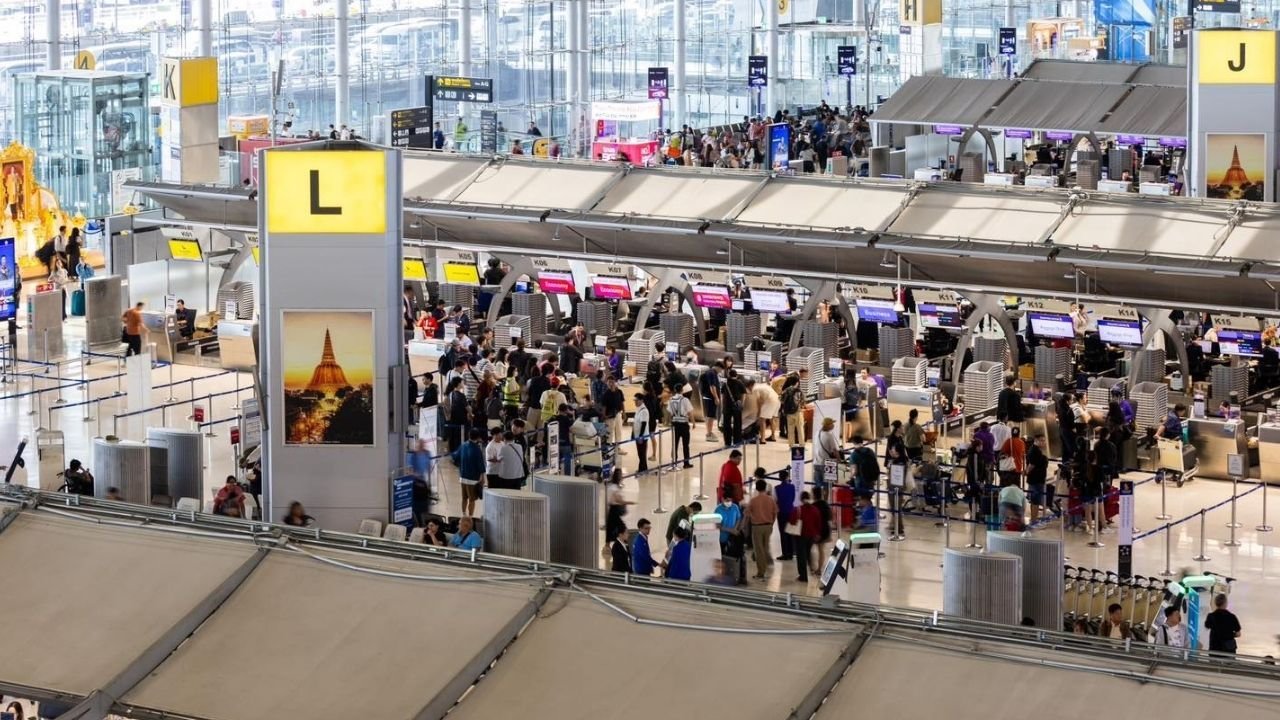
Thailand’s main airports have faced recurring complaints over congestion, immigration delays, overcrowded terminals and inconsistent passenger experience during peak travel periods.
Authorities argue the upgrades funded through the new revenue structure are intended precisely to address those weaknesses.
The debate has unfolded alongside broader discussions about Thailand’s competitiveness as a regional aviation and tourism center.
Bangkok competes directly with Singapore, Kuala Lumpur and increasingly Vietnam for transit traffic, airline expansion and long-haul connectivity.
Infrastructure quality, processing efficiency and airport capacity have become strategic economic assets rather than purely transport issues.
Another important detail is that Thailand is moving toward a more commercially aggressive airport financing model.
Airports of Thailand has already indicated interest in studying additional passenger charges for transit and transfer travelers, a practice common at many major global hubs but not yet widely applied in Thailand.
That signals a longer-term shift toward extracting more aviation-related revenue from growing passenger volumes.
For travelers, the practical impact is straightforward.
International departures from the six Airports of Thailand facilities will become more expensive from late June 2026 onward, regardless of nationality.
For the Thai government and airport authorities, the fee increase is part of a larger wager that stronger infrastructure, higher capacity and expanded aviation investment will outweigh the political and commercial costs of raising charges during a competitive period for global tourism.
The increase is now formally scheduled for implementation on June 20, 2026, locking in a substantial new revenue stream for Thailand’s airport expansion program and reshaping the cost structure of international travel through the country’s main aviation gateways.
The policy affects passengers departing internationally from Suvarnabhumi, Don Mueang, Phuket, Chiang Mai, Chiang Rai and Hat Yai airports.
Domestic passenger charges remain unchanged at 130 baht.
The fee is automatically embedded into airline ticket prices rather than collected separately at airports.
What is confirmed is that Thai aviation authorities and Airports of Thailand view the increase as a financing mechanism for a broader airport expansion program aimed at turning the country into a larger regional aviation hub.
Officials have tied the higher charge directly to infrastructure investment, including terminal expansion, passenger processing systems, security upgrades and runway-related improvements.
The largest beneficiary is expected to be Bangkok’s Suvarnabhumi Airport, where long-term expansion plans include a new South Terminal project and capacity upgrades designed to handle as many as 120 million passengers annually.
Airports of Thailand has argued that relying entirely on borrowing would increase financial pressure and raise long-term financing costs.
Higher passenger service charges create a more stable revenue stream tied directly to airport usage.
The timing reflects Thailand’s aggressive attempt to capitalize on a broader rebound in Asian aviation after years of pandemic disruption and uneven tourism recovery.
Passenger volumes across Thailand’s main airports have continued climbing through 2025 and into 2026, supported by renewed Chinese travel, stronger regional tourism flows and expanded international routes.
Authorities expect annual passenger numbers across Airports of Thailand’s network to exceed pre-pandemic levels.
The increase also aligns Thailand more closely with charging models used at major international hubs.
Airports of Thailand has repeatedly argued that many global airports collect substantially higher combined passenger, security and infrastructure levies than Thailand currently imposes.
Officials contend the previous fee structure no longer reflected operating costs, inflation, rising energy expenses and expanding infrastructure demands.
The move nevertheless carries economic and political risks.
Thailand remains heavily dependent on price-sensitive tourism, particularly from regional travelers and budget airline markets.
Even relatively modest increases can affect airline pricing strategies on highly competitive routes.
The additional 390 baht charge will disproportionately affect low-cost travel segments where margins are narrow and fares are often heavily discounted.
Airlines operating in Thailand are already facing higher operational costs from fuel volatility, rerouted flight paths linked to Middle East instability and broader global supply chain pressures affecting aircraft availability and maintenance.
The airport charge increase adds another layer of cost pressure at a time when Southeast Asian carriers are attempting to rebuild profitability.
Tourism operators and consumer groups have also questioned whether passengers will see visible service improvements quickly enough to justify the higher fees.
Thailand’s main airports have faced recurring complaints over congestion, immigration delays, overcrowded terminals and inconsistent passenger experience during peak travel periods.
Authorities argue the upgrades funded through the new revenue structure are intended precisely to address those weaknesses.
The debate has unfolded alongside broader discussions about Thailand’s competitiveness as a regional aviation and tourism center.
Bangkok competes directly with Singapore, Kuala Lumpur and increasingly Vietnam for transit traffic, airline expansion and long-haul connectivity.
Infrastructure quality, processing efficiency and airport capacity have become strategic economic assets rather than purely transport issues.
Another important detail is that Thailand is moving toward a more commercially aggressive airport financing model.
Airports of Thailand has already indicated interest in studying additional passenger charges for transit and transfer travelers, a practice common at many major global hubs but not yet widely applied in Thailand.
That signals a longer-term shift toward extracting more aviation-related revenue from growing passenger volumes.
For travelers, the practical impact is straightforward.
International departures from the six Airports of Thailand facilities will become more expensive from late June 2026 onward, regardless of nationality.
For the Thai government and airport authorities, the fee increase is part of a larger wager that stronger infrastructure, higher capacity and expanded aviation investment will outweigh the political and commercial costs of raising charges during a competitive period for global tourism.
The increase is now formally scheduled for implementation on June 20, 2026, locking in a substantial new revenue stream for Thailand’s airport expansion program and reshaping the cost structure of international travel through the country’s main aviation gateways.