Thailand Detects Dangerous Arsenic Levels in Mekong Mainstream as Regional Pollution Crisis Deepens
New monitoring data marks the first confirmed detection of hazardous arsenic contamination in Thailand’s section of the Mekong River, intensifying concerns over upstream mining and cross-border environmental enforcement.
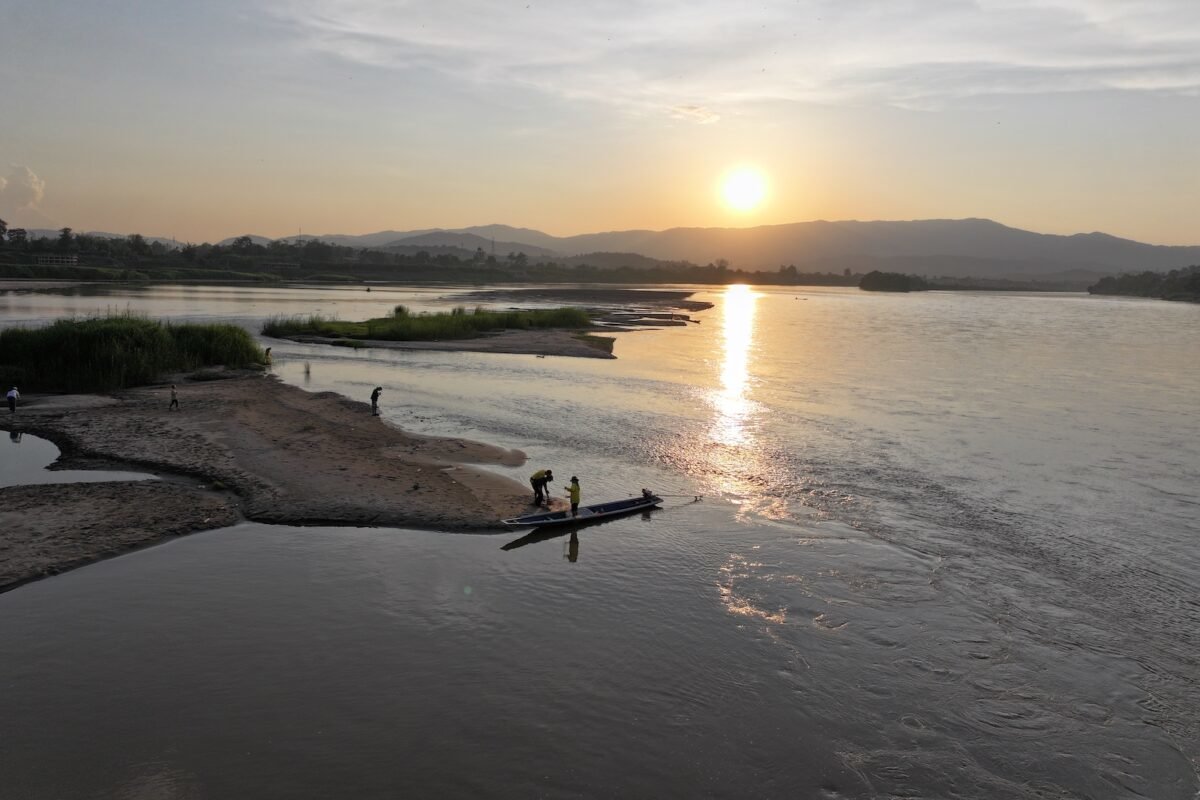
Regional water monitoring systems are driving a growing environmental and public health crisis across northern Thailand after authorities confirmed dangerous arsenic contamination in parts of the Mekong River mainstream for the first time.
Thai pollution authorities and the Mekong River Commission have confirmed that recent testing between February and March found arsenic concentrations above safety thresholds in sections of the Mekong River in Chiang Rai province, alongside persistent contamination in the Kok, Sai and Ruak river systems.
Sediment samples from multiple Mekong monitoring stations exceeded Thailand’s hazardous-level guidelines, marking a significant escalation from earlier contamination events that had largely been confined to tributaries.
The finding matters because the Mekong is not a local river system.
It is one of Asia’s most economically and strategically important waterways, supporting agriculture, fisheries, transport, tourism and drinking water supplies across several countries.
Contamination in the mainstream river raises the stakes far beyond isolated local pollution.
It increases pressure on Thailand, Laos, Myanmar and regional institutions to coordinate a cross-border response to toxic runoff that appears increasingly transnational.
What is confirmed is that arsenic levels in several northern rivers repeatedly exceeded Thailand’s surface water safety benchmark of 0.01 milligrams per litre during successive rounds of testing over the past year.
Officials say the contamination has persisted through multiple monitoring cycles despite seasonal fluctuations in river flow.
In some cases, measured concentrations reached more than double the accepted limit.
The most severe contamination has been detected in sediments rather than open water.
That distinction is critical.
Arsenic accumulated in riverbeds can enter aquatic food chains through fish, shellfish and bottom-dwelling organisms.
Scientists and Thai authorities have warned residents to avoid consuming fish organs and certain freshwater species too frequently.
Some provinces have advised communities not to use untreated river water directly for cooking or drinking.
The contamination has also triggered visible ecological concerns.
Researchers and local fishermen have reported fish with lesions, discoloration and abnormal growths in parts of the Mekong basin.
Some fish abnormalities have been linked to parasites rather than confirmed heavy-metal poisoning, but environmental scientists say the broader toxic exposure risk remains serious because arsenic, mercury, cadmium and lead can accumulate gradually in river ecosystems.
The key issue is the suspected source of the contamination.
Thai officials, environmental groups and regional researchers increasingly point to rapid expansion of mining operations in Myanmar’s Shan State and nearby upstream areas.
Since Myanmar’s 2021 military coup, governance and environmental enforcement in many border regions have weakened substantially.
Researchers using satellite imagery have identified extensive growth in mining activity across watersheds connected to northern Thailand’s river systems.
Several environmental investigators believe rare earth mining operations are a major contributor.
Rare earth extraction often uses aggressive chemical leaching processes that can release arsenic and other toxic substances into surrounding soil and waterways if waste handling systems are weak or absent.
The allegation that specific mines are directly responsible has not been conclusively proven through international legal investigation, but Thai and regional authorities increasingly describe upstream mining as the most likely driver.
The contamination pattern supports that concern.
Areas closest to the Myanmar border have repeatedly recorded the highest arsenic levels.
Pollution spikes have also intensified during dry-season periods when river flow weakens and contaminated sediments become more concentrated.
The crisis exposes the structural weakness of environmental governance in transboundary river systems.
Thailand can monitor contamination inside its territory, but it cannot directly regulate upstream mining beyond its borders.
The Mekong River Commission has increased coordination efforts, expanded monitoring downstream into Laos and opened technical discussions with Myanmar authorities.
That cooperation remains limited by political fragmentation inside Myanmar and by the presence of non-state armed groups controlling parts of the mining regions.
The economic consequences could become substantial if contamination persists.
Northern Thailand’s river economies depend heavily on fisheries, tourism and agriculture.
Persistent toxic contamination threatens consumer confidence in freshwater fish markets, raises water treatment costs and increases risks for export-oriented agriculture that relies on river irrigation.
Public health costs could also rise if long-term exposure spreads through local food systems.
The crisis is also politically sensitive because the Mekong has become central to wider regional competition over infrastructure, energy and resource extraction.
China-backed mining activity, hydropower projects and industrial expansion across the upper basin have already intensified disputes over water security and ecological degradation.
Toxic contamination adds a new layer of strategic tension to a river system already under pressure from dams, climate volatility and declining biodiversity.
Thai authorities are now expanding testing frequency, increasing sediment analysis and strengthening public health advisories in affected provinces.
Monitoring has intensified not only along the Mekong but also in tributaries connected to suspected contamination corridors.
Regional agencies are also pushing for stronger data-sharing and emergency-response coordination between Mekong countries.
The confirmed detection of hazardous arsenic contamination in Thailand’s section of the Mekong marks a turning point because it shifts the issue from a localized pollution concern into a regional river-security problem with direct implications for food safety, public health and cross-border environmental governance.
Thai pollution authorities and the Mekong River Commission have confirmed that recent testing between February and March found arsenic concentrations above safety thresholds in sections of the Mekong River in Chiang Rai province, alongside persistent contamination in the Kok, Sai and Ruak river systems.
Sediment samples from multiple Mekong monitoring stations exceeded Thailand’s hazardous-level guidelines, marking a significant escalation from earlier contamination events that had largely been confined to tributaries.
The finding matters because the Mekong is not a local river system.
It is one of Asia’s most economically and strategically important waterways, supporting agriculture, fisheries, transport, tourism and drinking water supplies across several countries.
Contamination in the mainstream river raises the stakes far beyond isolated local pollution.
It increases pressure on Thailand, Laos, Myanmar and regional institutions to coordinate a cross-border response to toxic runoff that appears increasingly transnational.
What is confirmed is that arsenic levels in several northern rivers repeatedly exceeded Thailand’s surface water safety benchmark of 0.01 milligrams per litre during successive rounds of testing over the past year.
Officials say the contamination has persisted through multiple monitoring cycles despite seasonal fluctuations in river flow.
In some cases, measured concentrations reached more than double the accepted limit.
The most severe contamination has been detected in sediments rather than open water.
That distinction is critical.
Arsenic accumulated in riverbeds can enter aquatic food chains through fish, shellfish and bottom-dwelling organisms.
Scientists and Thai authorities have warned residents to avoid consuming fish organs and certain freshwater species too frequently.
Some provinces have advised communities not to use untreated river water directly for cooking or drinking.
The contamination has also triggered visible ecological concerns.
Researchers and local fishermen have reported fish with lesions, discoloration and abnormal growths in parts of the Mekong basin.
Some fish abnormalities have been linked to parasites rather than confirmed heavy-metal poisoning, but environmental scientists say the broader toxic exposure risk remains serious because arsenic, mercury, cadmium and lead can accumulate gradually in river ecosystems.
The key issue is the suspected source of the contamination.
Thai officials, environmental groups and regional researchers increasingly point to rapid expansion of mining operations in Myanmar’s Shan State and nearby upstream areas.
Since Myanmar’s 2021 military coup, governance and environmental enforcement in many border regions have weakened substantially.
Researchers using satellite imagery have identified extensive growth in mining activity across watersheds connected to northern Thailand’s river systems.
Several environmental investigators believe rare earth mining operations are a major contributor.
Rare earth extraction often uses aggressive chemical leaching processes that can release arsenic and other toxic substances into surrounding soil and waterways if waste handling systems are weak or absent.
The allegation that specific mines are directly responsible has not been conclusively proven through international legal investigation, but Thai and regional authorities increasingly describe upstream mining as the most likely driver.
The contamination pattern supports that concern.
Areas closest to the Myanmar border have repeatedly recorded the highest arsenic levels.
Pollution spikes have also intensified during dry-season periods when river flow weakens and contaminated sediments become more concentrated.
The crisis exposes the structural weakness of environmental governance in transboundary river systems.
Thailand can monitor contamination inside its territory, but it cannot directly regulate upstream mining beyond its borders.
The Mekong River Commission has increased coordination efforts, expanded monitoring downstream into Laos and opened technical discussions with Myanmar authorities.
That cooperation remains limited by political fragmentation inside Myanmar and by the presence of non-state armed groups controlling parts of the mining regions.
The economic consequences could become substantial if contamination persists.
Northern Thailand’s river economies depend heavily on fisheries, tourism and agriculture.
Persistent toxic contamination threatens consumer confidence in freshwater fish markets, raises water treatment costs and increases risks for export-oriented agriculture that relies on river irrigation.
Public health costs could also rise if long-term exposure spreads through local food systems.
The crisis is also politically sensitive because the Mekong has become central to wider regional competition over infrastructure, energy and resource extraction.
China-backed mining activity, hydropower projects and industrial expansion across the upper basin have already intensified disputes over water security and ecological degradation.
Toxic contamination adds a new layer of strategic tension to a river system already under pressure from dams, climate volatility and declining biodiversity.
Thai authorities are now expanding testing frequency, increasing sediment analysis and strengthening public health advisories in affected provinces.
Monitoring has intensified not only along the Mekong but also in tributaries connected to suspected contamination corridors.
Regional agencies are also pushing for stronger data-sharing and emergency-response coordination between Mekong countries.
The confirmed detection of hazardous arsenic contamination in Thailand’s section of the Mekong marks a turning point because it shifts the issue from a localized pollution concern into a regional river-security problem with direct implications for food safety, public health and cross-border environmental governance.