Thailand’s Condominium Market Faces Cautious Two Thousand Twenty-Six as New Project Launches Slow
Developers scale back supply while buyers become more selective amid tighter financing and uneven demand
Thailand’s condominium market is expected to enter a year of cautious adjustment in two thousand twenty-six, with developers curbing new project launches and buyers becoming more selective, according to recent industry assessments.
After several years of elevated supply and softer absorption, particularly in urban areas, property firms are increasingly prioritising inventory management over aggressive expansion.
New condominium launches are projected to decline further as developers respond to tighter lending conditions, higher construction costs and lingering concerns about household debt.
Banks continue to apply stricter mortgage criteria, shaping purchasing behaviour and limiting speculative activity.
As a result, demand is concentrating on well-located projects with strong fundamentals, realistic pricing and proven developers.
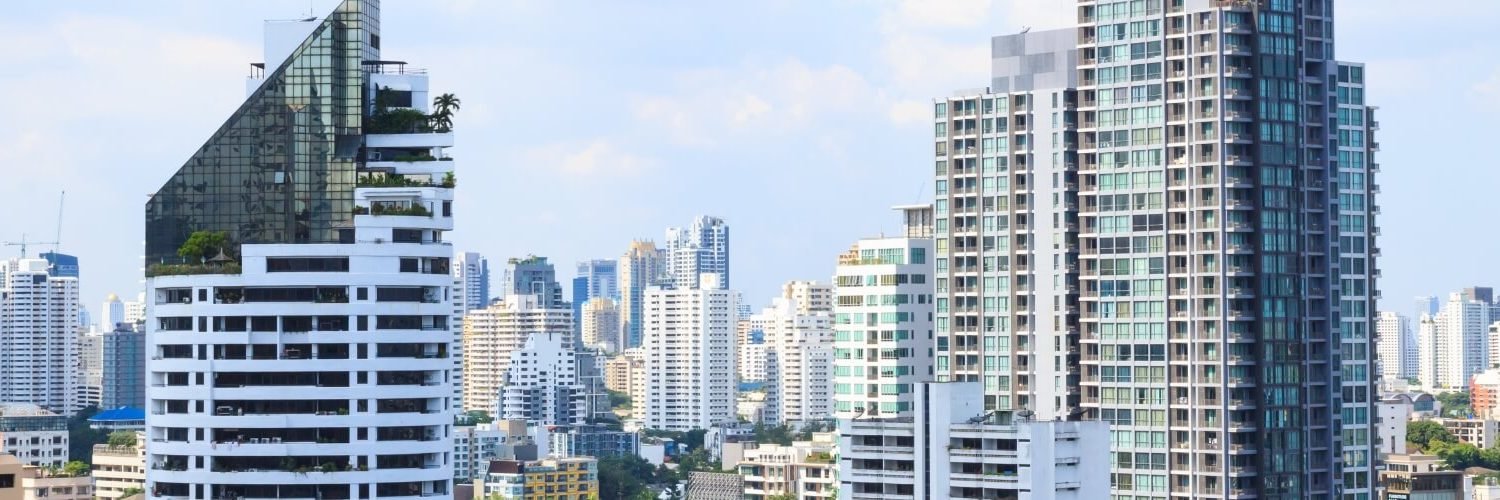
Bangkok and key metropolitan areas are expected to remain the focal points of activity, though competition is intensifying among existing stock rather than new developments.
Analysts note that buyers are showing greater interest in completed or near-completion units, particularly those close to mass-transit lines and employment centres.
Foreign demand, while present, is expected to remain selective and focused on quality assets rather than volume purchases.
Industry participants describe two thousand twenty-six as a year of consolidation rather than contraction, with disciplined supply expected to help stabilise the market over the medium term.
Developers with strong balance sheets and differentiated products are seen as best positioned to navigate the environment, while the slowdown in new projects may ultimately support healthier long-term conditions for Thailand’s residential property sector.
After several years of elevated supply and softer absorption, particularly in urban areas, property firms are increasingly prioritising inventory management over aggressive expansion.
New condominium launches are projected to decline further as developers respond to tighter lending conditions, higher construction costs and lingering concerns about household debt.
Banks continue to apply stricter mortgage criteria, shaping purchasing behaviour and limiting speculative activity.
As a result, demand is concentrating on well-located projects with strong fundamentals, realistic pricing and proven developers.
Bangkok and key metropolitan areas are expected to remain the focal points of activity, though competition is intensifying among existing stock rather than new developments.
Analysts note that buyers are showing greater interest in completed or near-completion units, particularly those close to mass-transit lines and employment centres.
Foreign demand, while present, is expected to remain selective and focused on quality assets rather than volume purchases.
Industry participants describe two thousand twenty-six as a year of consolidation rather than contraction, with disciplined supply expected to help stabilise the market over the medium term.
Developers with strong balance sheets and differentiated products are seen as best positioned to navigate the environment, while the slowdown in new projects may ultimately support healthier long-term conditions for Thailand’s residential property sector.