US Investigates Suspected Nvidia Chip Diversion to China Through Thailand Network
American authorities are examining whether advanced AI servers containing restricted Nvidia chips reached Alibaba and other Chinese buyers through a Thai intermediary despite export bans.
US export-control enforcement is driving an expanding investigation into whether advanced Nvidia artificial-intelligence hardware was illegally routed to China through Thailand, exposing growing weaknesses in Washington’s attempt to restrict Beijing’s access to high-end computing power.
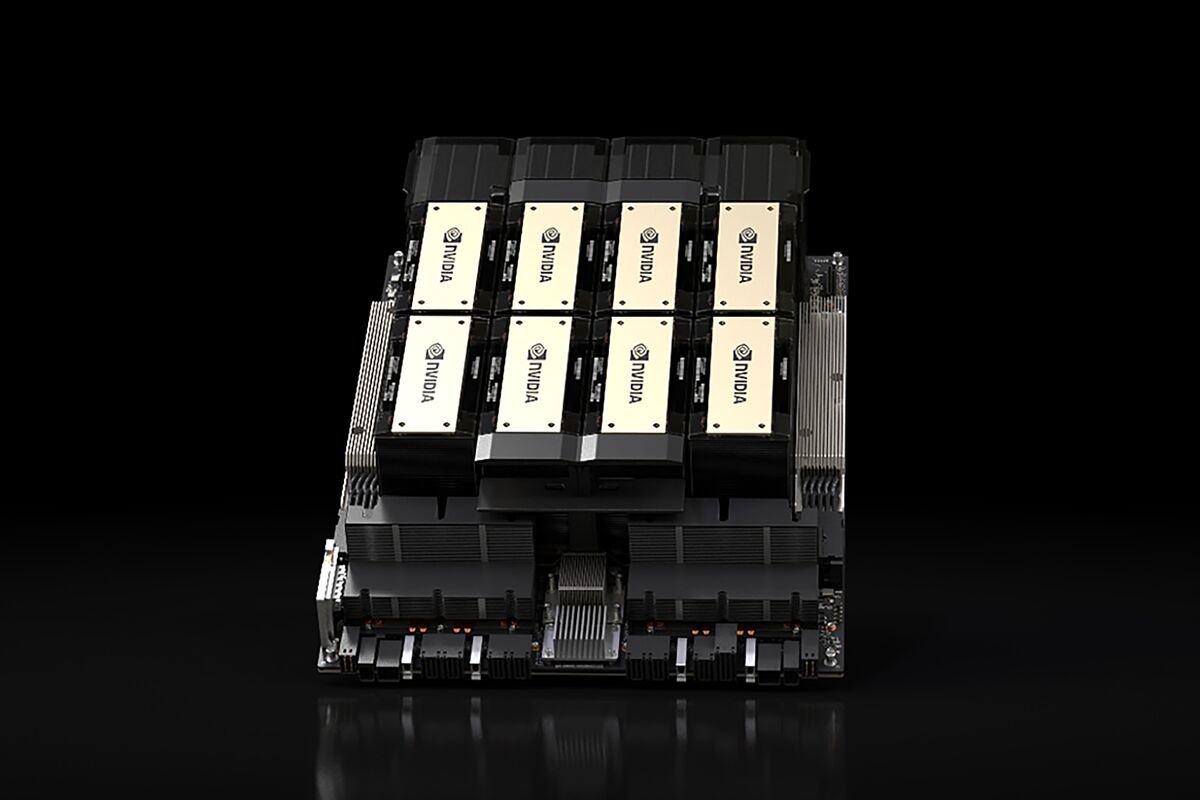
What is confirmed is that US authorities are investigating a supply chain involving servers manufactured by Super Micro Computer and equipped with export-controlled Nvidia chips.
Prosecutors allege that billions of dollars’ worth of AI servers were diverted through Thailand before ultimately reaching China in violation of US export laws.
Bloomberg reported that American officials suspect Chinese technology giant Alibaba may have been one of the end recipients.
Alibaba has publicly denied any involvement.
The alleged scheme centers on Bangkok-based OBON Corp., a company linked to Thailand’s national AI initiatives and identified in reporting as a suspected intermediary in the diversion network.
US prosecutors previously charged several individuals connected to Super Micro Computer and related distribution channels with conspiracy to violate export-control laws.
Court filings describe efforts to disguise the true destination of servers containing restricted Nvidia processors, including the use of pass-through companies, altered documentation and relabeled hardware.
The core issue is not merely smuggling.
It is whether the United States can realistically enforce semiconductor restrictions in a global supply chain where hardware moves through multiple jurisdictions before reaching final buyers.
Nvidia’s most advanced AI chips are considered strategically sensitive because they can power military systems, surveillance platforms and large-scale generative AI models.
Washington began restricting exports of top-tier Nvidia processors to China in 2022 and repeatedly tightened the rules afterward.
The alleged diversion routes reveal how difficult those controls are to police once hardware leaves the United States.
Prosecutors say servers were shipped legally to Southeast Asia before being rerouted to China.
In some cases, investigators allege that serial numbers and labels were manipulated to conceal the identity of the hardware and evade inspections.
The investigation arrives during intensifying technological competition between Washington and Beijing.
US officials increasingly view advanced semiconductors as national-security assets rather than ordinary commercial products.
China, meanwhile, continues investing heavily in domestic AI and semiconductor development after successive rounds of American export restrictions.
The allegations also place Nvidia and Super Micro under heightened scrutiny even though neither company has been charged in the latest reports involving Alibaba.
Nvidia has stated that its compliance systems are designed to prevent unlawful exports and says attempted diversions demonstrate that its due-diligence process identified suspicious transactions.
Super Micro has also said it maintains compliance programs and cooperates with authorities.
Alibaba’s position is especially sensitive because the company operates some of China’s largest cloud-computing and AI infrastructure businesses.
Access to cutting-edge AI accelerators is critical for training large language models and competing with American firms in generative AI. Alibaba has denied using prohibited Nvidia chips in its data centers and says it has no business relationship with OBON or the entities implicated in the alleged smuggling network.
Thailand’s role has become politically significant because Southeast Asia is increasingly viewed by US officials as a transshipment corridor for restricted technology entering China.
Washington has expanded scrutiny of distributors and intermediaries in countries including Thailand, Malaysia and Singapore amid concerns that export-controlled hardware can be repackaged or redirected after lawful import.
The broader implications extend beyond one investigation.
The case highlights a structural problem in the global AI economy: demand for Nvidia’s most advanced processors remains enormous, while legal access for Chinese buyers has narrowed sharply.
That imbalance creates strong incentives for gray-market procurement networks, intermediaries and illicit resale operations.
The allegations have also intensified debate inside the United States over whether current export controls are effective.
Supporters argue the restrictions are necessary to slow China’s access to militarily useful AI capabilities.
Critics contend that determined buyers will continue finding alternate routes while American companies lose legitimate market share.
For the semiconductor industry, the practical consequence is likely to be tighter compliance enforcement, more aggressive shipment monitoring and broader pressure on intermediaries across Asia.
US prosecutors have already expanded criminal cases connected to AI-chip diversion networks this year, and lawmakers are pushing for stricter tracking systems tied to advanced semiconductor exports.
The investigation now represents one of the clearest signs that the contest over artificial intelligence has evolved from a trade dispute into a global enforcement battle over supply chains, logistics networks and control of the computing power that underpins next-generation technology.
What is confirmed is that US authorities are investigating a supply chain involving servers manufactured by Super Micro Computer and equipped with export-controlled Nvidia chips.
Prosecutors allege that billions of dollars’ worth of AI servers were diverted through Thailand before ultimately reaching China in violation of US export laws.
Bloomberg reported that American officials suspect Chinese technology giant Alibaba may have been one of the end recipients.
Alibaba has publicly denied any involvement.
The alleged scheme centers on Bangkok-based OBON Corp., a company linked to Thailand’s national AI initiatives and identified in reporting as a suspected intermediary in the diversion network.
US prosecutors previously charged several individuals connected to Super Micro Computer and related distribution channels with conspiracy to violate export-control laws.
Court filings describe efforts to disguise the true destination of servers containing restricted Nvidia processors, including the use of pass-through companies, altered documentation and relabeled hardware.
The core issue is not merely smuggling.
It is whether the United States can realistically enforce semiconductor restrictions in a global supply chain where hardware moves through multiple jurisdictions before reaching final buyers.
Nvidia’s most advanced AI chips are considered strategically sensitive because they can power military systems, surveillance platforms and large-scale generative AI models.
Washington began restricting exports of top-tier Nvidia processors to China in 2022 and repeatedly tightened the rules afterward.
The alleged diversion routes reveal how difficult those controls are to police once hardware leaves the United States.
Prosecutors say servers were shipped legally to Southeast Asia before being rerouted to China.
In some cases, investigators allege that serial numbers and labels were manipulated to conceal the identity of the hardware and evade inspections.
The investigation arrives during intensifying technological competition between Washington and Beijing.
US officials increasingly view advanced semiconductors as national-security assets rather than ordinary commercial products.
China, meanwhile, continues investing heavily in domestic AI and semiconductor development after successive rounds of American export restrictions.
The allegations also place Nvidia and Super Micro under heightened scrutiny even though neither company has been charged in the latest reports involving Alibaba.
Nvidia has stated that its compliance systems are designed to prevent unlawful exports and says attempted diversions demonstrate that its due-diligence process identified suspicious transactions.
Super Micro has also said it maintains compliance programs and cooperates with authorities.
Alibaba’s position is especially sensitive because the company operates some of China’s largest cloud-computing and AI infrastructure businesses.
Access to cutting-edge AI accelerators is critical for training large language models and competing with American firms in generative AI. Alibaba has denied using prohibited Nvidia chips in its data centers and says it has no business relationship with OBON or the entities implicated in the alleged smuggling network.
Thailand’s role has become politically significant because Southeast Asia is increasingly viewed by US officials as a transshipment corridor for restricted technology entering China.
Washington has expanded scrutiny of distributors and intermediaries in countries including Thailand, Malaysia and Singapore amid concerns that export-controlled hardware can be repackaged or redirected after lawful import.
The broader implications extend beyond one investigation.
The case highlights a structural problem in the global AI economy: demand for Nvidia’s most advanced processors remains enormous, while legal access for Chinese buyers has narrowed sharply.
That imbalance creates strong incentives for gray-market procurement networks, intermediaries and illicit resale operations.
The allegations have also intensified debate inside the United States over whether current export controls are effective.
Supporters argue the restrictions are necessary to slow China’s access to militarily useful AI capabilities.
Critics contend that determined buyers will continue finding alternate routes while American companies lose legitimate market share.
For the semiconductor industry, the practical consequence is likely to be tighter compliance enforcement, more aggressive shipment monitoring and broader pressure on intermediaries across Asia.
US prosecutors have already expanded criminal cases connected to AI-chip diversion networks this year, and lawmakers are pushing for stricter tracking systems tied to advanced semiconductor exports.
The investigation now represents one of the clearest signs that the contest over artificial intelligence has evolved from a trade dispute into a global enforcement battle over supply chains, logistics networks and control of the computing power that underpins next-generation technology.