
Backlash Mounts in Thailand as Youth Cannabis Use Spurs Calls to Roll Back Liberal Policy
Rising recreational use among young people and public health concerns fuel debate over tightening or reversing cannabis decriminalisation
Thailand is witnessing growing public unease and political pressure over its cannabis policy, as evidence of increasing recreational use among children and young people stokes concerns about health, social impact and regulatory gaps.
The Southeast Asian nation, which became the first in Asia to decriminalise cannabis in 2022, is now grappling with backlash from parents, health professionals and civic groups who argue that the liberal approach has inadvertently led to widespread recreational use, particularly among those under 25. Recent data discussed by advocacy networks show that recreational cannabis use among late teens escalated sharply after decriminalisation, raising red flags about the effects of easy access without robust regulatory safeguards.
Surveys and petitions have gathered significant public support for reversing the policy, with many calling for cannabis to be reclassified as a controlled narcotic to better protect young people and public health.
Medical experts, including psychiatrists and addiction specialists, report an uptick in hospital admissions related to cannabis dependence and adverse mental health outcomes, prompting warnings that self-medication trends among youth may worsen underlying issues such as depression and anxiety.
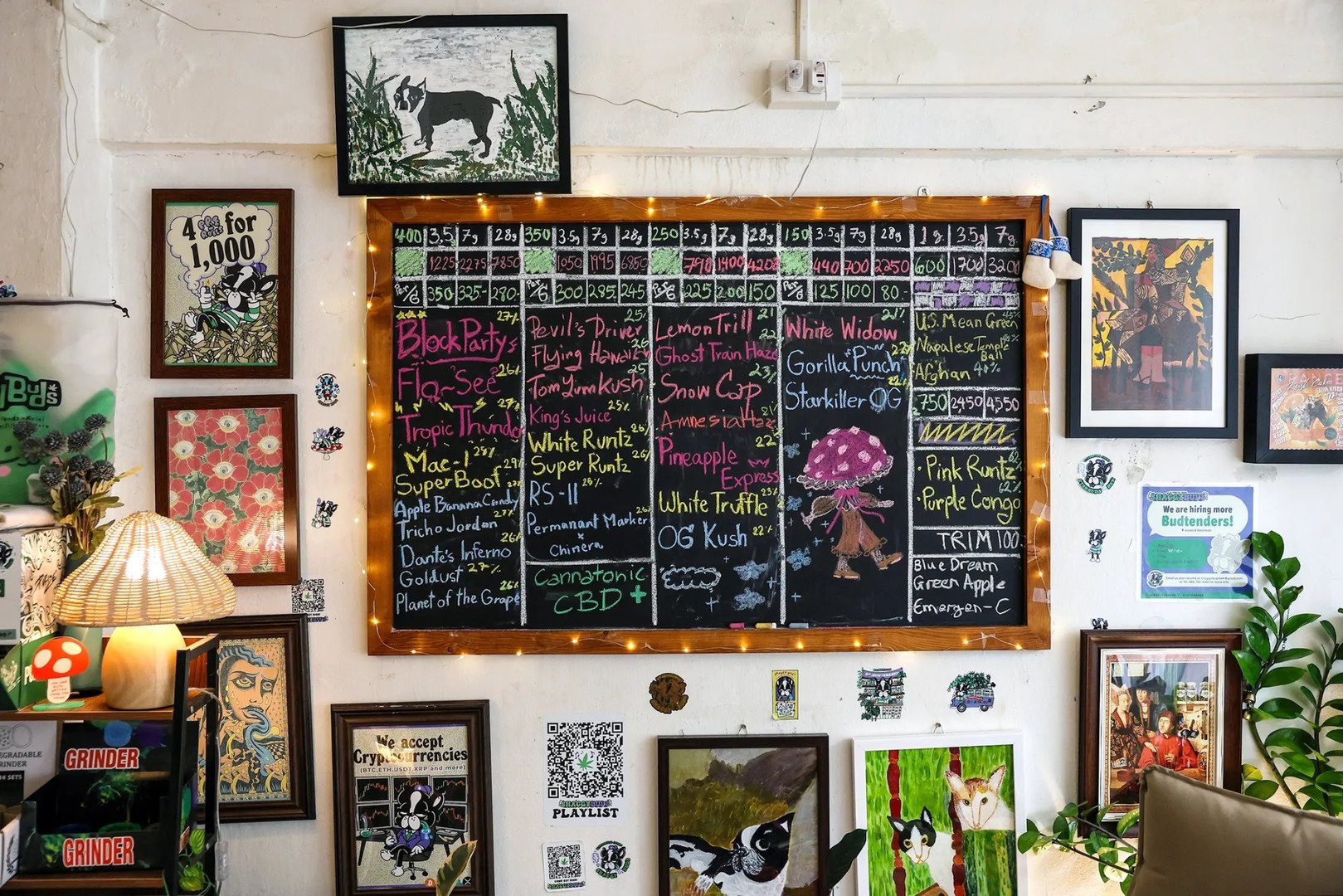
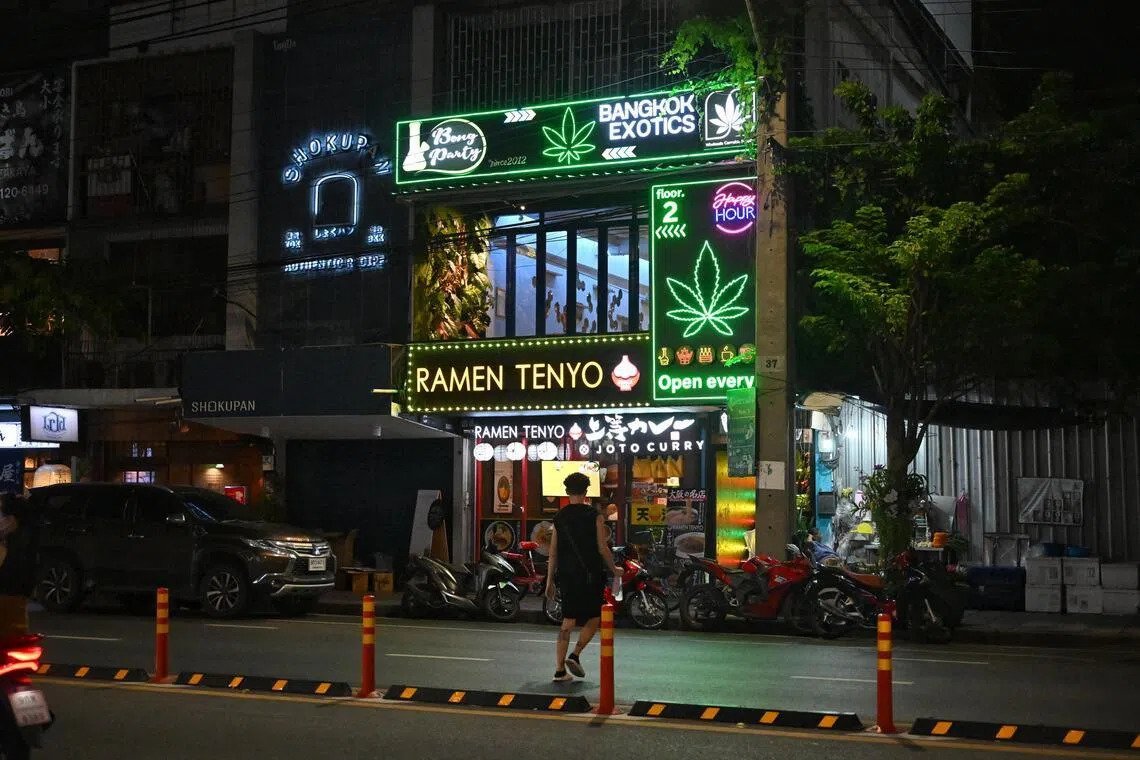
Parents and local communities express alarm at the proliferation of dispensaries and cannabis products, noting that the public presence of recreational cannabis has normalised its use and created confusion over legal boundaries and age restrictions.
The perceived regulatory vacuum has also drawn criticism, as earlier decriminalisation lacked comprehensive controls on marketing, sales and enforcement, leaving enforcement agencies scrambling to keep pace with market developments.
In response to escalating concerns, Thai authorities have already introduced tighter controls and regulations since 2025, including requiring prescriptions for purchases and cracking down on unregulated products and vendors.
Policymakers and civil society organisations are now debating whether to go further by re-criminalising recreational cannabis entirely or strengthen regulatory frameworks to balance public health priorities with economic and medical considerations.
As the policy debate intensifies, Thailand’s cannabis experiment is evolving into a litmus test of how liberal drug laws can be reconciled with societal concerns and youth welfare in a rapidly changing social landscape.
The Southeast Asian nation, which became the first in Asia to decriminalise cannabis in 2022, is now grappling with backlash from parents, health professionals and civic groups who argue that the liberal approach has inadvertently led to widespread recreational use, particularly among those under 25. Recent data discussed by advocacy networks show that recreational cannabis use among late teens escalated sharply after decriminalisation, raising red flags about the effects of easy access without robust regulatory safeguards.
Surveys and petitions have gathered significant public support for reversing the policy, with many calling for cannabis to be reclassified as a controlled narcotic to better protect young people and public health.
Medical experts, including psychiatrists and addiction specialists, report an uptick in hospital admissions related to cannabis dependence and adverse mental health outcomes, prompting warnings that self-medication trends among youth may worsen underlying issues such as depression and anxiety.
Parents and local communities express alarm at the proliferation of dispensaries and cannabis products, noting that the public presence of recreational cannabis has normalised its use and created confusion over legal boundaries and age restrictions.
The perceived regulatory vacuum has also drawn criticism, as earlier decriminalisation lacked comprehensive controls on marketing, sales and enforcement, leaving enforcement agencies scrambling to keep pace with market developments.
In response to escalating concerns, Thai authorities have already introduced tighter controls and regulations since 2025, including requiring prescriptions for purchases and cracking down on unregulated products and vendors.
Policymakers and civil society organisations are now debating whether to go further by re-criminalising recreational cannabis entirely or strengthen regulatory frameworks to balance public health priorities with economic and medical considerations.
As the policy debate intensifies, Thailand’s cannabis experiment is evolving into a litmus test of how liberal drug laws can be reconciled with societal concerns and youth welfare in a rapidly changing social landscape.