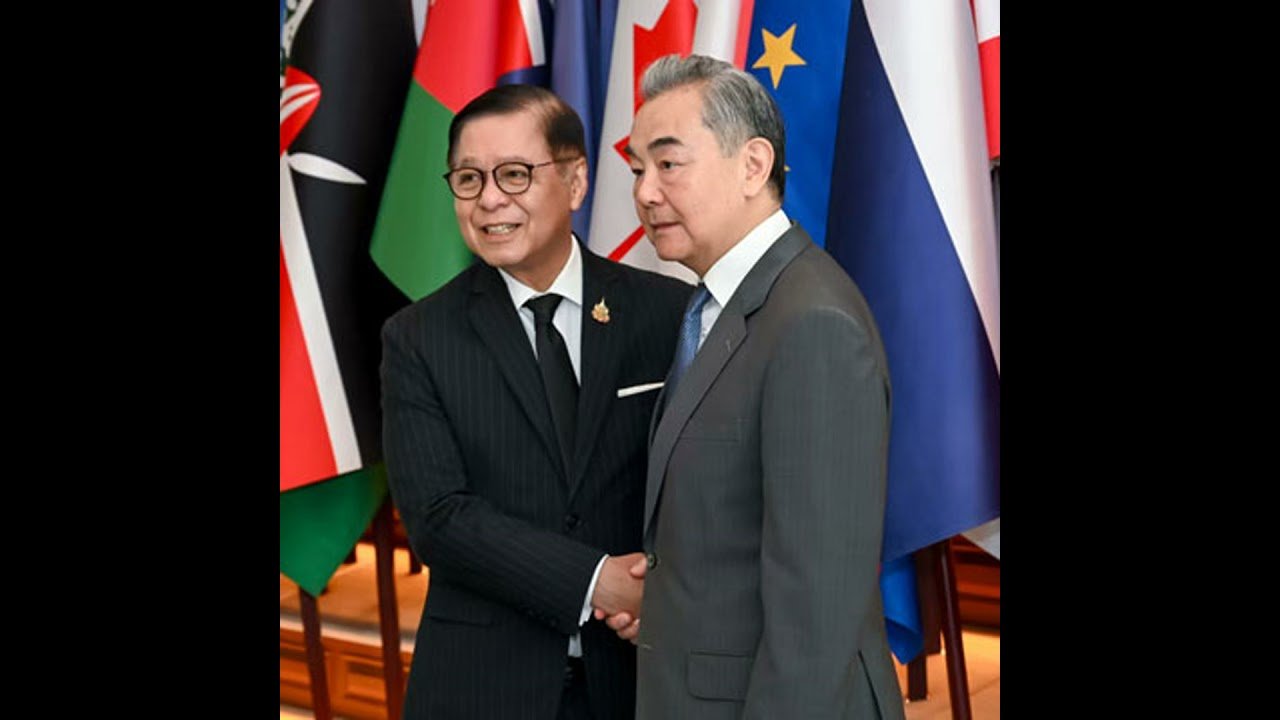
China and Thailand deepen strategic coordination at third foreign ministers’ consultation meeting
Beijing and Bangkok reaffirm economic and security alignment as part of an institutional dialogue mechanism aimed at strengthening long-term bilateral cooperation
SYSTEM-DRIVEN: an institutional foreign-minister-level consultation mechanism shaping long-term China–Thailand diplomatic, economic, and security coordination.
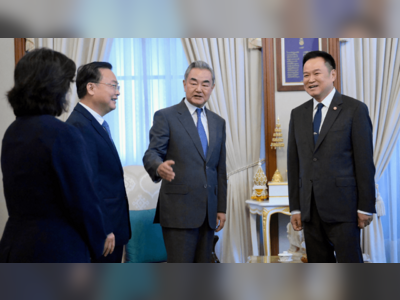
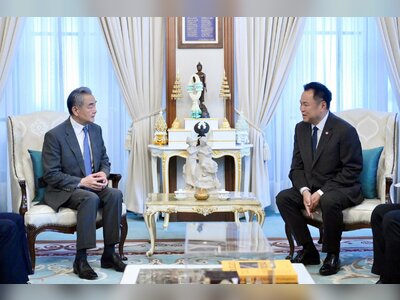
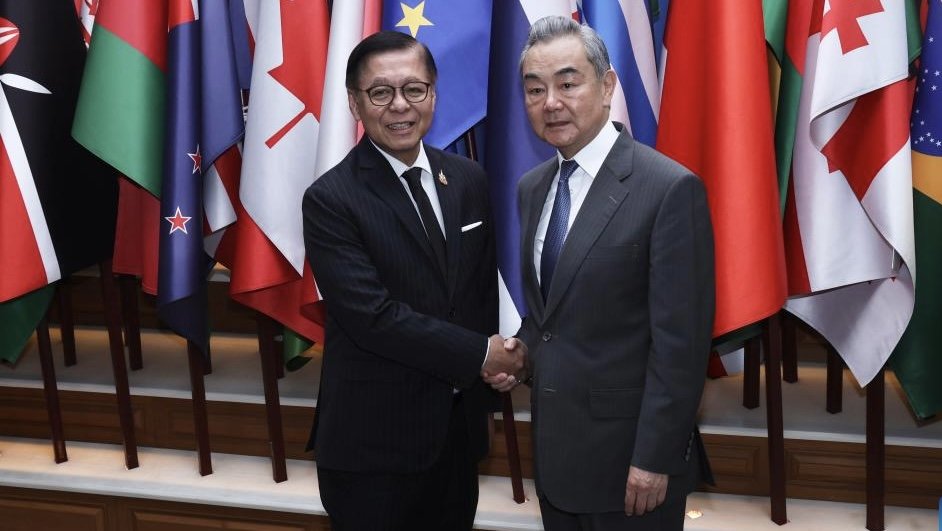
China and Thailand have held the third meeting of their foreign ministers’ consultation mechanism, a structured diplomatic platform designed to maintain regular high-level coordination across political, economic, and regional security issues.
What is confirmed is that both sides used the meeting to reaffirm commitments to deepen bilateral cooperation and sustain frequent strategic communication.
The mechanism itself functions as a formalized channel between the two foreign ministries, enabling systematic discussion beyond ad hoc diplomacy.
It reflects a broader trend in China’s foreign policy of building stable consultation frameworks with key regional partners, particularly in Southeast Asia, where trade, infrastructure development, and security cooperation are closely intertwined.
During the latest round of talks, both sides emphasized continuity in economic cooperation, with particular attention to trade flows, infrastructure connectivity, and regional development initiatives linked to cross-border integration.
These discussions are consistent with long-standing cooperation frameworks that include rail, logistics, and investment projects connecting China with mainland Southeast Asia through Thailand as a strategic transit hub.
Security coordination was also part of the agenda, focused on transnational challenges such as cross-border crime, cyber threats, and regional stability.
The consultations reflect an effort to align policy responses in areas where both countries face overlapping concerns, even though they operate under different strategic alignments globally.
The key issue is institutional consolidation rather than immediate policy change.
These consultations are not treaty negotiations but recurring diplomatic reviews that reinforce predictability in bilateral relations.
By maintaining this structure, both governments reduce the risk of policy drift and ensure that cooperation continues even during periods of broader geopolitical tension.
Economically, the relationship remains anchored in China’s position as one of Thailand’s largest trading partners and a major source of investment and tourism flows.
Thailand, in turn, serves as a critical regional logistics and manufacturing hub within Southeast Asia, making sustained coordination important for supply chain stability and regional industrial planning.
The consultation mechanism also has a wider regional signaling function.
It demonstrates the continued institutionalization of China–ASEAN relationships through bilateral frameworks that complement multilateral engagement.
For Thailand, participation reinforces its strategy of balancing relations among major powers while maintaining strong economic ties with China.
The outcome of the third meeting is therefore best understood as reinforcement of an established diplomatic structure rather than a shift in direction.
Both sides reiterated alignment on key areas of cooperation and committed to continuing regular consultations through the same institutional channel, maintaining steady diplomatic engagement between the two foreign ministries.
China and Thailand have held the third meeting of their foreign ministers’ consultation mechanism, a structured diplomatic platform designed to maintain regular high-level coordination across political, economic, and regional security issues.
What is confirmed is that both sides used the meeting to reaffirm commitments to deepen bilateral cooperation and sustain frequent strategic communication.
The mechanism itself functions as a formalized channel between the two foreign ministries, enabling systematic discussion beyond ad hoc diplomacy.
It reflects a broader trend in China’s foreign policy of building stable consultation frameworks with key regional partners, particularly in Southeast Asia, where trade, infrastructure development, and security cooperation are closely intertwined.
During the latest round of talks, both sides emphasized continuity in economic cooperation, with particular attention to trade flows, infrastructure connectivity, and regional development initiatives linked to cross-border integration.
These discussions are consistent with long-standing cooperation frameworks that include rail, logistics, and investment projects connecting China with mainland Southeast Asia through Thailand as a strategic transit hub.
Security coordination was also part of the agenda, focused on transnational challenges such as cross-border crime, cyber threats, and regional stability.
The consultations reflect an effort to align policy responses in areas where both countries face overlapping concerns, even though they operate under different strategic alignments globally.
The key issue is institutional consolidation rather than immediate policy change.
These consultations are not treaty negotiations but recurring diplomatic reviews that reinforce predictability in bilateral relations.
By maintaining this structure, both governments reduce the risk of policy drift and ensure that cooperation continues even during periods of broader geopolitical tension.
Economically, the relationship remains anchored in China’s position as one of Thailand’s largest trading partners and a major source of investment and tourism flows.
Thailand, in turn, serves as a critical regional logistics and manufacturing hub within Southeast Asia, making sustained coordination important for supply chain stability and regional industrial planning.
The consultation mechanism also has a wider regional signaling function.
It demonstrates the continued institutionalization of China–ASEAN relationships through bilateral frameworks that complement multilateral engagement.
For Thailand, participation reinforces its strategy of balancing relations among major powers while maintaining strong economic ties with China.
The outcome of the third meeting is therefore best understood as reinforcement of an established diplomatic structure rather than a shift in direction.
Both sides reiterated alignment on key areas of cooperation and committed to continuing regular consultations through the same institutional channel, maintaining steady diplomatic engagement between the two foreign ministries.