Thailand urges China to protect its maritime interests in Hormuz diplomacy talks
Bangkok has asked Beijing to take Thailand’s economic exposure into account as regional powers coordinate responses to instability in the Strait of Hormuz
ACTOR-DRIVEN: a diplomatic exchange involving Thailand and China amid wider international negotiations over security and navigation in the Strait of Hormuz, one of the world’s most critical oil transit routes.
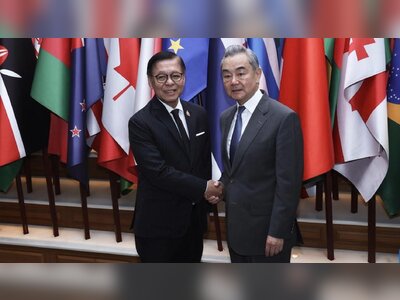
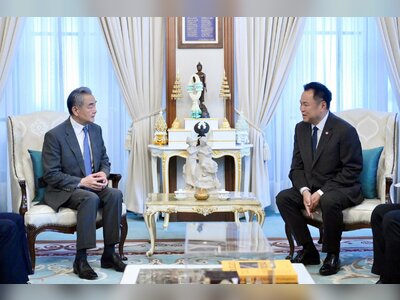
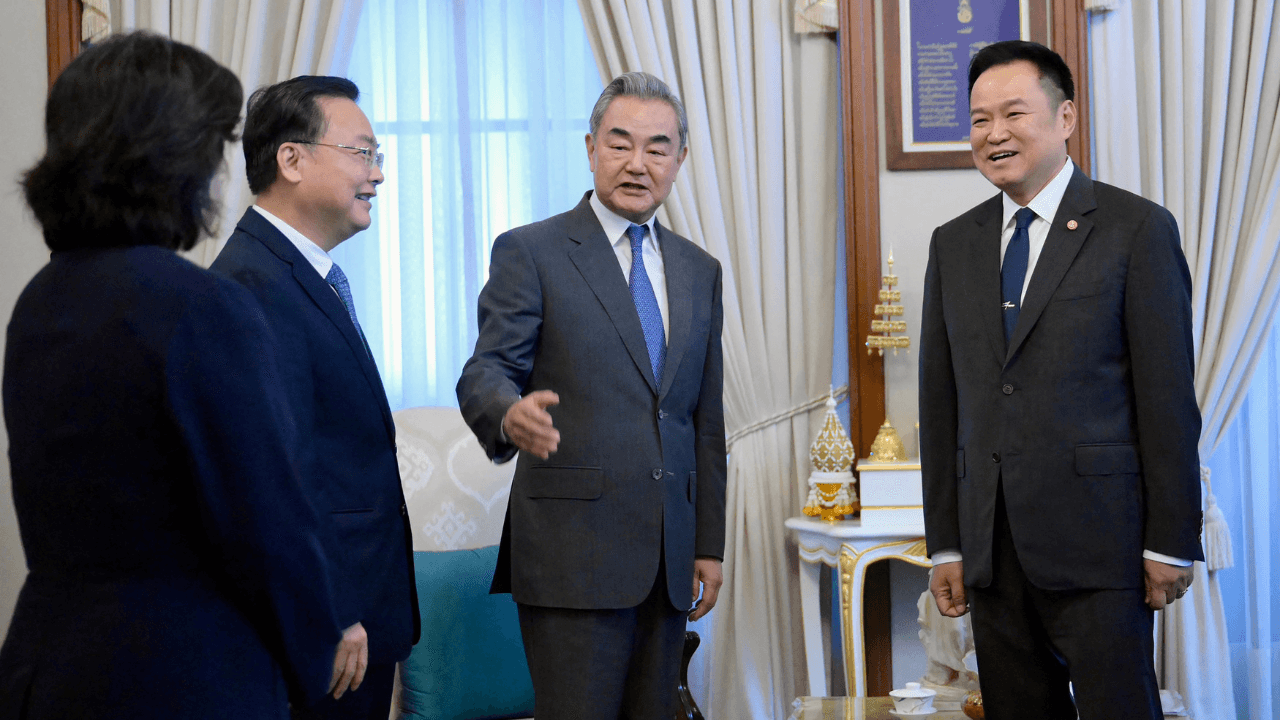
Thailand has asked China to take its national interests into account during ongoing diplomatic discussions related to the Strait of Hormuz, according to official Thai communications tied to recent regional consultations on maritime security and energy flows.
What is confirmed is that Bangkok raised its concerns in the context of broader international talks involving major powers seeking to stabilise shipping through the strategic waterway.
The Strait of Hormuz, a narrow maritime corridor linking the Persian Gulf to global shipping routes, carries roughly one-fifth of global oil trade and remains one of the most sensitive chokepoints in international energy logistics.
Any disruption in the area has immediate effects on fuel prices, shipping insurance costs, and supply chain stability across Asia, Europe, and beyond.
Thailand’s intervention reflects its structural dependence on energy imports from the Gulf.
The country sources a significant portion of its oil and liquefied natural gas from Middle Eastern suppliers, making uninterrupted access through Hormuz a direct economic priority.
Recent instability in the region has already prompted Bangkok to pursue bilateral and multilateral arrangements aimed at securing passage for Thai-flagged vessels.
The mechanism behind Thailand’s request to China is diplomatic leverage within overlapping negotiations.
China plays a central role in regional energy trade as a major importer of Gulf oil and as a key political actor engaging both Iran and Gulf Arab states.
As a result, Beijing has positioned itself as an intermediary voice calling for restraint, continued navigation, and de-escalation among parties linked to the dispute.
The key issue is not a direct bilateral dispute between Thailand and China, but the use of China’s diplomatic influence to indirectly shape the terms of broader negotiations affecting maritime security.
Thailand’s appeal signals its recognition that access to Hormuz is not solely a shipping matter but part of a larger geopolitical framework involving energy security, sanctions risk, and regional military tensions.
In parallel developments, China has consistently advocated for the uninterrupted flow of shipping through Hormuz, warning that disruptions would harm global economic stability.
It has also engaged in separate communications with Iran and other regional actors to support navigation guarantees and reduce the risk of escalation affecting commercial shipping lanes.
For Thailand, the stakes are immediate and practical.
Any disruption in the Strait directly affects domestic fuel costs and industrial supply chains, with knock-on effects for inflation and economic growth.
The country has previously explored contingency arrangements with regional partners to ensure vessel passage during periods of heightened tension.
The current diplomatic exchange underscores a broader pattern in which mid-sized economies increasingly rely on major powers to stabilise access to critical maritime corridors.
In this case, Thailand’s request to China reflects an effort to anchor its energy security within wider geopolitical negotiations that extend far beyond Southeast Asia.
As regional talks continue, Thailand’s position has been formally registered within the diplomatic channel, reinforcing its expectation that maritime stability in the Strait of Hormuz will be treated as a shared international priority in ongoing negotiations.
Thailand has asked China to take its national interests into account during ongoing diplomatic discussions related to the Strait of Hormuz, according to official Thai communications tied to recent regional consultations on maritime security and energy flows.
What is confirmed is that Bangkok raised its concerns in the context of broader international talks involving major powers seeking to stabilise shipping through the strategic waterway.
The Strait of Hormuz, a narrow maritime corridor linking the Persian Gulf to global shipping routes, carries roughly one-fifth of global oil trade and remains one of the most sensitive chokepoints in international energy logistics.
Any disruption in the area has immediate effects on fuel prices, shipping insurance costs, and supply chain stability across Asia, Europe, and beyond.
Thailand’s intervention reflects its structural dependence on energy imports from the Gulf.
The country sources a significant portion of its oil and liquefied natural gas from Middle Eastern suppliers, making uninterrupted access through Hormuz a direct economic priority.
Recent instability in the region has already prompted Bangkok to pursue bilateral and multilateral arrangements aimed at securing passage for Thai-flagged vessels.
The mechanism behind Thailand’s request to China is diplomatic leverage within overlapping negotiations.
China plays a central role in regional energy trade as a major importer of Gulf oil and as a key political actor engaging both Iran and Gulf Arab states.
As a result, Beijing has positioned itself as an intermediary voice calling for restraint, continued navigation, and de-escalation among parties linked to the dispute.
The key issue is not a direct bilateral dispute between Thailand and China, but the use of China’s diplomatic influence to indirectly shape the terms of broader negotiations affecting maritime security.
Thailand’s appeal signals its recognition that access to Hormuz is not solely a shipping matter but part of a larger geopolitical framework involving energy security, sanctions risk, and regional military tensions.
In parallel developments, China has consistently advocated for the uninterrupted flow of shipping through Hormuz, warning that disruptions would harm global economic stability.
It has also engaged in separate communications with Iran and other regional actors to support navigation guarantees and reduce the risk of escalation affecting commercial shipping lanes.
For Thailand, the stakes are immediate and practical.
Any disruption in the Strait directly affects domestic fuel costs and industrial supply chains, with knock-on effects for inflation and economic growth.
The country has previously explored contingency arrangements with regional partners to ensure vessel passage during periods of heightened tension.
The current diplomatic exchange underscores a broader pattern in which mid-sized economies increasingly rely on major powers to stabilise access to critical maritime corridors.
In this case, Thailand’s request to China reflects an effort to anchor its energy security within wider geopolitical negotiations that extend far beyond Southeast Asia.
As regional talks continue, Thailand’s position has been formally registered within the diplomatic channel, reinforcing its expectation that maritime stability in the Strait of Hormuz will be treated as a shared international priority in ongoing negotiations.