Thailand moves to impose lifetime political ban on 44 opposition figures in contested ruling
The case stems from allegations linked to efforts to amend royal defamation laws, raising concerns over political exclusion and judicial power in Thai democracy
ACTOR-DRIVEN: a legal and political case involving Thailand’s electoral and judicial institutions targeting opposition politicians in a dispute over legislative activity related to royal defamation laws.
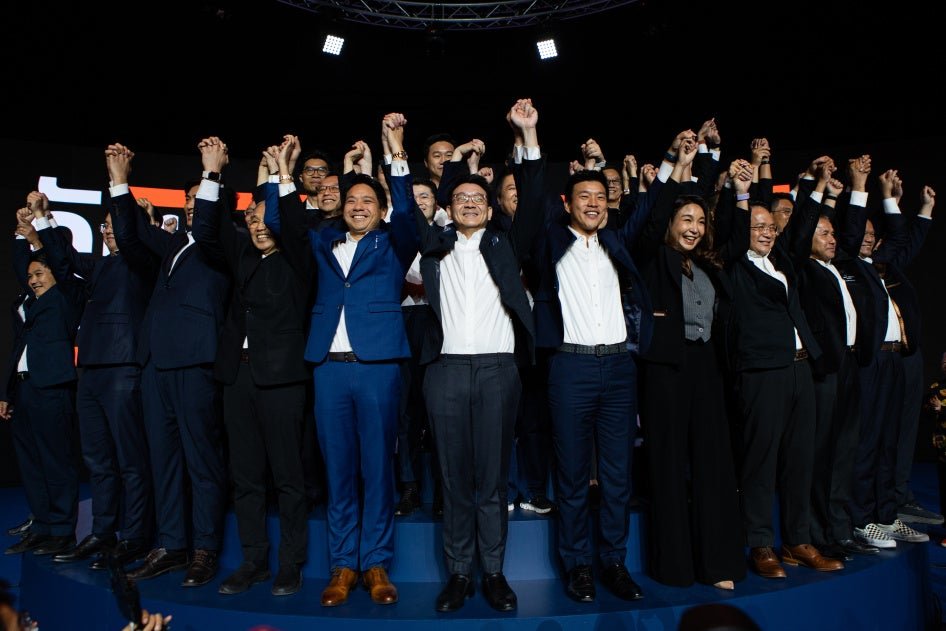
Thailand is moving toward imposing lifetime political bans on 44 opposition politicians following a ruling process connected to allegations that they attempted to undermine constitutional protections related to the monarchy through legislative reform efforts.
What is confirmed is that the case involves senior figures from opposition parties and is being handled through Thailand’s formal political and legal mechanisms.
The proceedings originate from efforts by opposition lawmakers to support or propose amendments to Thailand’s strict royal defamation law, widely known as lese-majeste legislation.
This law is among the most severe of its kind globally, and attempts to revise it have historically triggered intense political and judicial scrutiny.
The mechanism behind the potential ban involves Thailand’s political disqualification system, which allows courts and constitutional bodies to bar individuals from holding office if they are found to have violated specific constitutional provisions or engaged in actions interpreted as undermining the constitutional order.
In practice, such rulings can extend beyond criminal penalties to permanent exclusion from political participation.
The key issue is whether legislative activity aimed at reforming sensitive laws can be interpreted as grounds for political disqualification.
The 44 politicians are associated with a broader reform agenda that has been central to opposition platforms, particularly among reformist and progressive parties seeking to revise laws affecting speech and monarchy-related criticism.
If enforced, a lifetime ban would remove these individuals from electoral politics entirely, preventing them from running for office, holding ministerial positions, or participating in formal political party leadership structures.
Such measures would represent one of the most far-reaching political disqualifications in recent Thai history.
The stakes extend beyond individual careers.
Thailand’s political system has experienced repeated cycles of judicial intervention in party politics, with multiple parties in past years dissolved or senior figures banned from office through court rulings.
These interventions have shaped electoral competition and influenced the balance between elected representatives and institutional oversight bodies.
Supporters of the legal action argue that strict enforcement of constitutional boundaries is necessary to preserve national stability and protect core institutions.
Critics argue that repeated disqualifications of opposition figures risk narrowing political competition and limiting democratic choice, particularly when applied to legislative proposals rather than proven acts of criminal wrongdoing.
The case is still moving through formal legal and constitutional processes, and the final outcome will determine whether the affected politicians are permanently removed from political life or allowed to continue their roles.
The decision is expected to have lasting implications for Thailand’s political landscape and the scope of permissible legislative debate in the country.
Thailand is moving toward imposing lifetime political bans on 44 opposition politicians following a ruling process connected to allegations that they attempted to undermine constitutional protections related to the monarchy through legislative reform efforts.
What is confirmed is that the case involves senior figures from opposition parties and is being handled through Thailand’s formal political and legal mechanisms.
The proceedings originate from efforts by opposition lawmakers to support or propose amendments to Thailand’s strict royal defamation law, widely known as lese-majeste legislation.
This law is among the most severe of its kind globally, and attempts to revise it have historically triggered intense political and judicial scrutiny.
The mechanism behind the potential ban involves Thailand’s political disqualification system, which allows courts and constitutional bodies to bar individuals from holding office if they are found to have violated specific constitutional provisions or engaged in actions interpreted as undermining the constitutional order.
In practice, such rulings can extend beyond criminal penalties to permanent exclusion from political participation.
The key issue is whether legislative activity aimed at reforming sensitive laws can be interpreted as grounds for political disqualification.
The 44 politicians are associated with a broader reform agenda that has been central to opposition platforms, particularly among reformist and progressive parties seeking to revise laws affecting speech and monarchy-related criticism.
If enforced, a lifetime ban would remove these individuals from electoral politics entirely, preventing them from running for office, holding ministerial positions, or participating in formal political party leadership structures.
Such measures would represent one of the most far-reaching political disqualifications in recent Thai history.
The stakes extend beyond individual careers.
Thailand’s political system has experienced repeated cycles of judicial intervention in party politics, with multiple parties in past years dissolved or senior figures banned from office through court rulings.
These interventions have shaped electoral competition and influenced the balance between elected representatives and institutional oversight bodies.
Supporters of the legal action argue that strict enforcement of constitutional boundaries is necessary to preserve national stability and protect core institutions.
Critics argue that repeated disqualifications of opposition figures risk narrowing political competition and limiting democratic choice, particularly when applied to legislative proposals rather than proven acts of criminal wrongdoing.
The case is still moving through formal legal and constitutional processes, and the final outcome will determine whether the affected politicians are permanently removed from political life or allowed to continue their roles.
The decision is expected to have lasting implications for Thailand’s political landscape and the scope of permissible legislative debate in the country.